 Free shipping on orders over £29,85
  Shipping Tracking!


 Google
 Facebook
← Back to What should resin be diluted with?

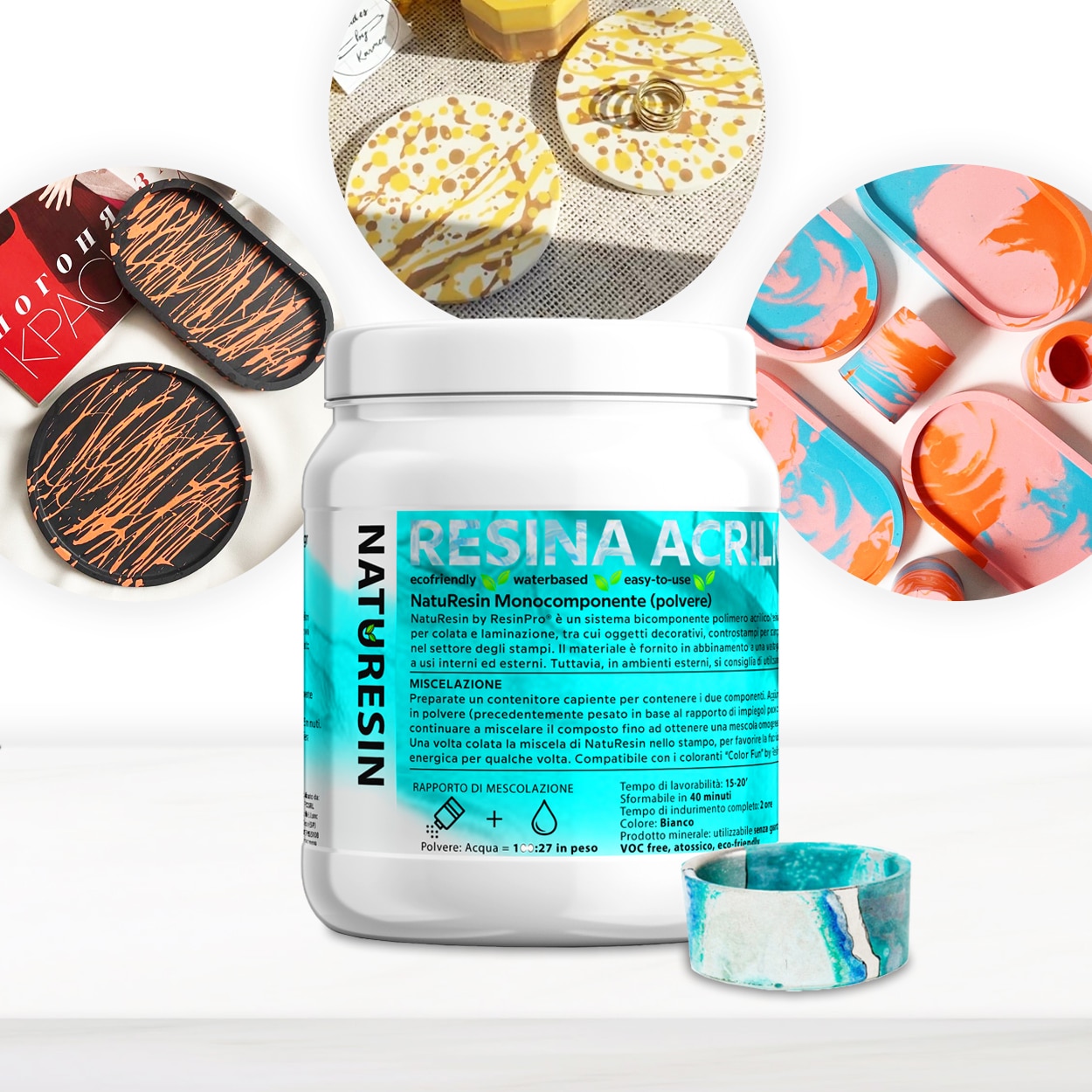
Trapped air bubbles are a common challenge when working with epoxy resin. A few simple methods can ensure a clearer, smoother finish for your castings and artwork.
Why Do Bubbles Occur in Resin?
Bubbles typically form when air becomes trapped during the mixing and pouring stages of resin work. Vigorous stirring or pouring into intricate moulds can introduce or retain pockets of air, sometimes resulting in unwanted imperfections on the final surface. Preventing and removing these bubbles is essential for a high-quality result—especially in decorative, casting, or countertop projects.
Techniques for Removing Bubbles
The most effective and widely used solution is to apply a fine mist or a few drops of high-purity isopropyl alcohol (such as Pure Isopropyl Alcohol 99.9%) onto the freshly mixed resin surface. This helps air bubbles rise and disperse, leaving a glassy, even finish. For creative resin art, using isopropyl alcohol with pigments like mica can also create attractive patterns and cells.
- Apply alcohol gently and sparingly to avoid over-diluting the resin surface.
- Always work in a well-ventilated area and keep away from any open flames, as isopropyl alcohol is highly flammable.
When Bubble Removal Matters Most
Perfectly smooth resin surfaces are particularly crucial for decorative tabletops, jewellery, and artwork where clarity and aesthetic quality are key. In functional projects—like finishing kitchen countertops or coasters—a bubble-free finish also contributes to durability and hygiene, since small pits or holes may collect dust and dirt over time.
Related products
Related guides
Mastering bubble removal ensures your resin projects look professional and last longer. If you’re exploring more advanced resin work, be sure to check the full guide on what should resin be diluted with to further enhance your creative results.