 Free shipping on orders over £29,85
  Shipping Tracking!


 Google
 Facebook
← Back to How to repair a broken plastic piece with resin?
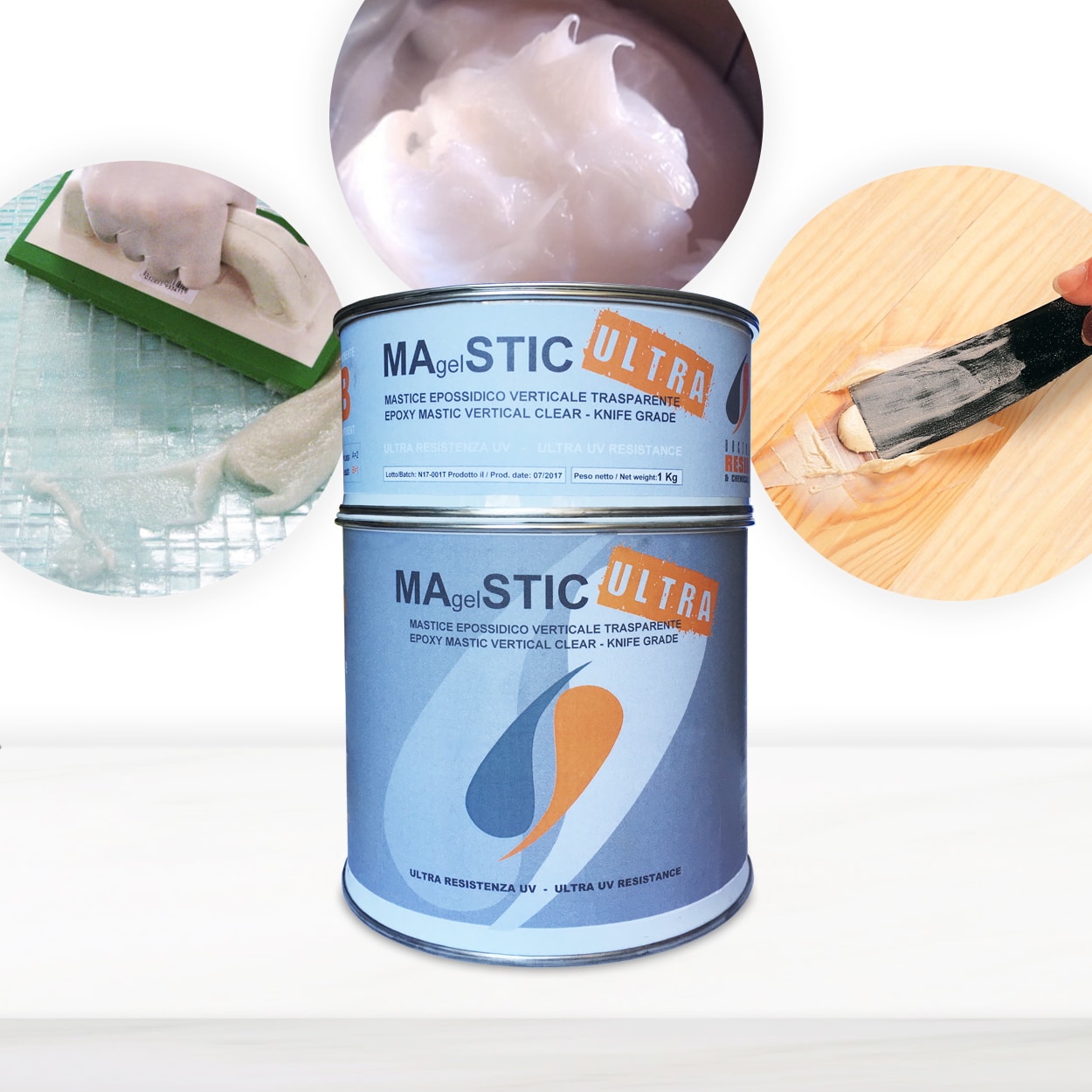

When it comes to repairing broken plastic or hard surfaces with resin, UV and weather resistance are essential for ensuring repairs hold up to sun and rain. Choosing products with the right durability can help your fix last longer, especially for outdoor or sun-exposed areas.
Why UV and Weather Resistance Matter
Exposure to sunlight’s ultraviolet (UV) rays and changing weather can degrade standard resins over time, causing yellowing, weakening, or brittleness. If your repair will be used outdoors or anywhere with frequent sun, water, or temperature swings, it’s important to select a resin or filler formulated for extra resistance. Some epoxy mastics, such as Magelstick Epoxy Mastic, specifically mention UV and weather protection, making them more suitable for external repairs on stone, metal, or cement.


Choosing the Right Product for Durable Repairs
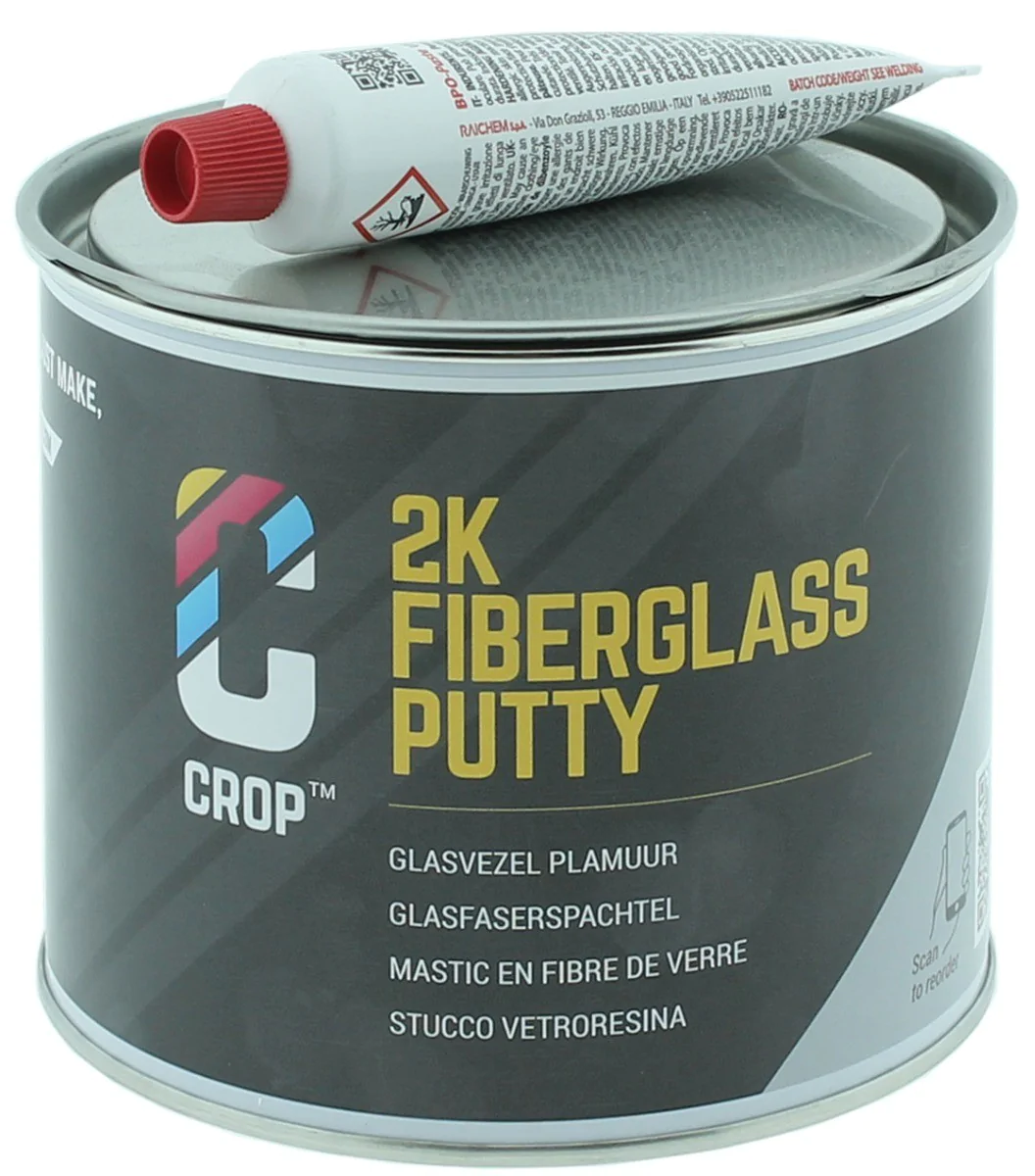
Look for resins and fillering compounds that highlight UV and weather resistance if your fix is exposed to the elements. Products reinforced with fibreglass, like CROP 2K Fiberglass Putty, also offer robust moisture and corrosion resistance, which helps in damp or variable British weather. For plastics, always check that your chosen solution bonds securely and is compatible with outdoor use, particularly if painting or finishing afterward.
When This Matters Most
- Outdoor furniture, signage, or decorative items exposed to the sun
- Repairs in garden, patio, or drive areas
- Restorations of stone or metal surfaces exposed to rain and temperature changes
Related products
Related guides
Whether you’re fixing plastic, stone, or metal, considering UV and weather resistance will help your repair stand up to the environment. For further advice on the repair of broken plastic pieces using resin, see our comprehensive main guide.