 Free shipping on orders over £29,85
  Shipping Tracking!


 Google
 Facebook
← Back to How to coat a balcony with resin?
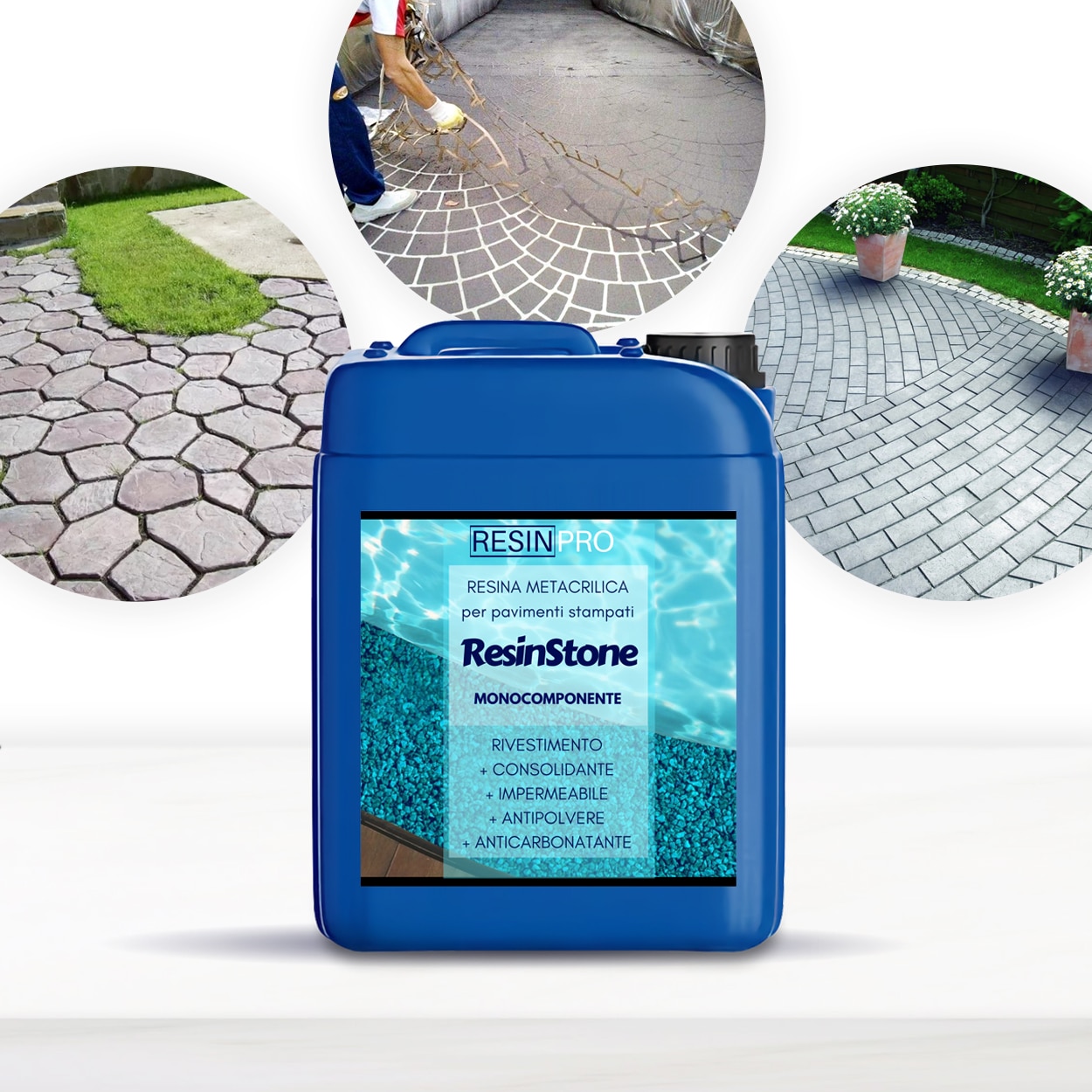

Applying resin to a balcony requires care—especially when it comes to layer thickness. Ensuring thin and even layers supports proper curing and gives a more durable, professional result.
Why Thin Layers Promote Proper Curing
Avoiding overly thick resin layers is crucial for several reasons. Thin coats allow even air exposure and efficient solvent evaporation, which helps the resin set and harden as intended. If resin is applied too thickly, it can trap air or moisture, leading to incomplete curing, tacky surfaces, or uneven finishes. For the majority of balcony projects, it is best to follow manufacturer recommendations and build up protection gradually with multiple thin coats, allowing full drying time between each application.
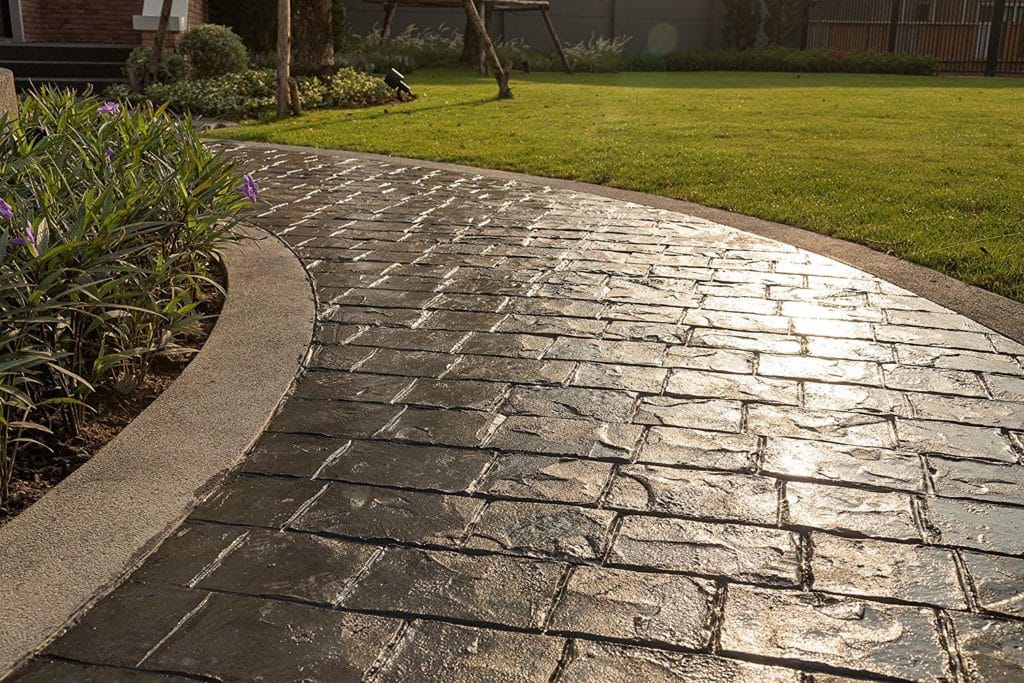
Practical Application Tips
- Preparation is key: Make sure your balcony surface is clean, dry, and properly primed before starting.
- Apply with care: Use a roller or brush to spread the resin thinly and evenly. Work in small sections to avoid pooling.
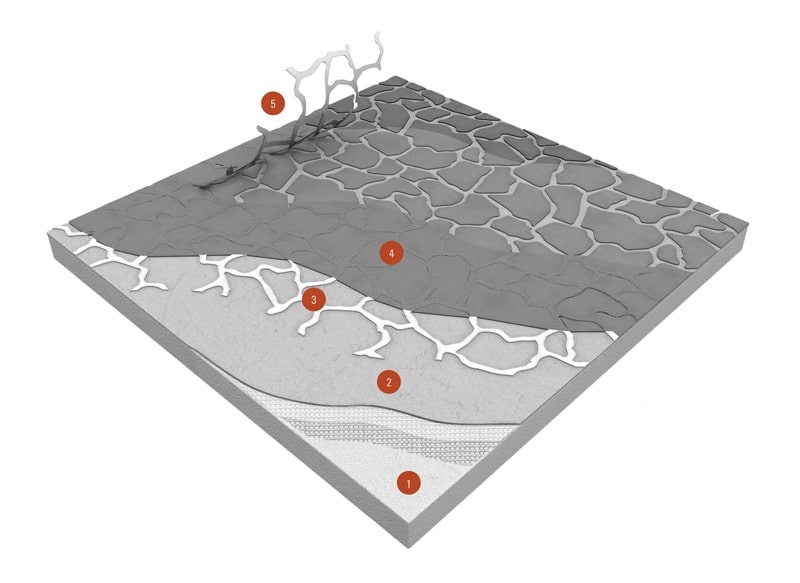
- Build in stages: Two or more thin coats will almost always result in a smoother, more robust finish than a single thick one.
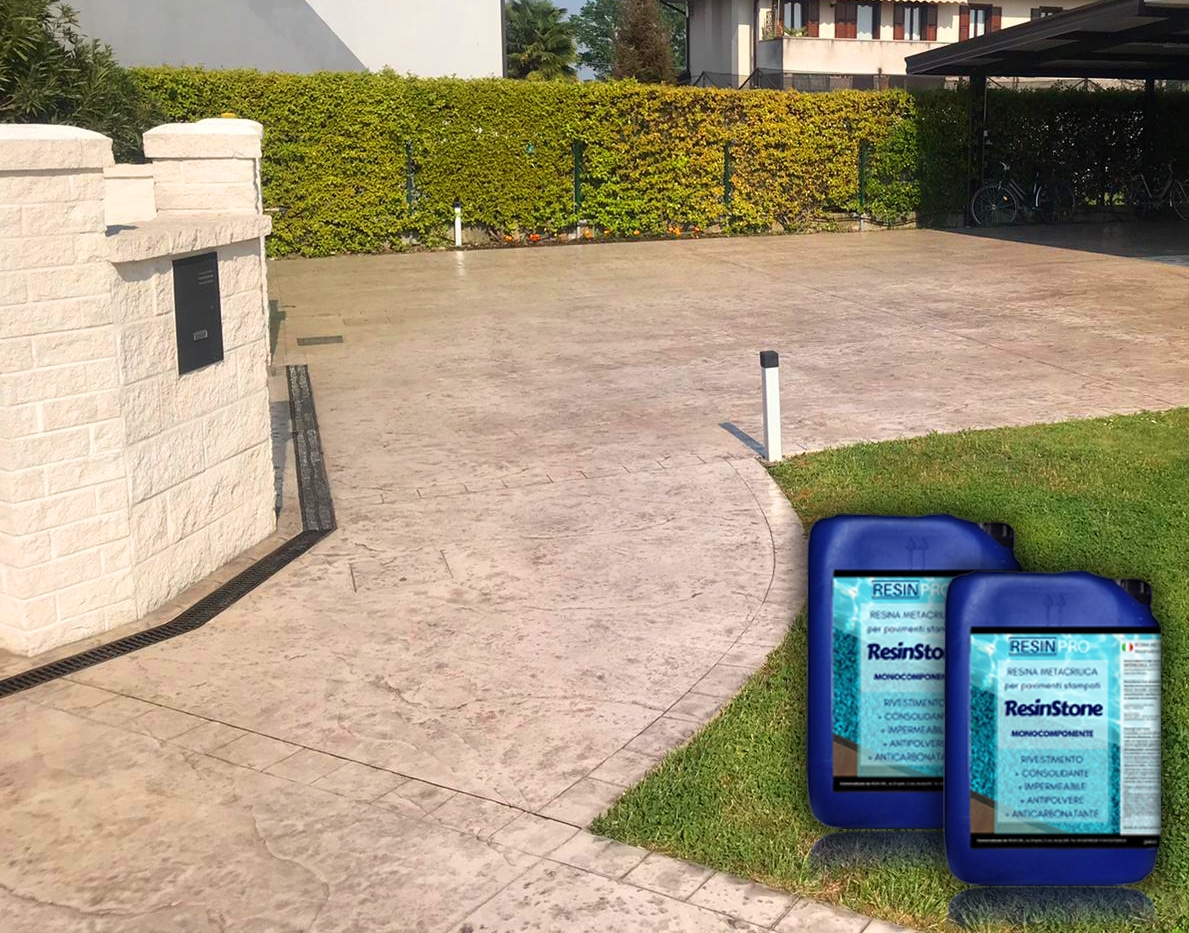
- Choose a suitable resin: Solutions such as “Resinstone” are designed to penetrate concrete efficiently when applied as directed, while polyurethane or epoxy coatings suit other common balcony surfaces.
When This Matters Most
Thin layers become especially important in outdoor conditions, where varying temperatures and humidity can affect curing. Rushed, thick applications may not properly resist weather or foot traffic, leading to maintenance issues down the line. Always err on the side of caution and patience to maximise your balcony’s lifespan.
Related products
Related guides
Paying close attention to resin layer thickness ensures your balcony coating project is both attractive and long-lasting. For a full overview of balcony coating guidance and solutions, see our main how to coat a balcony with resin guide.