 Free shipping on orders over £29,85
  Shipping Tracking!


 Google
 Facebook
← Back to How are epoxy-based acrylic resins obtained?
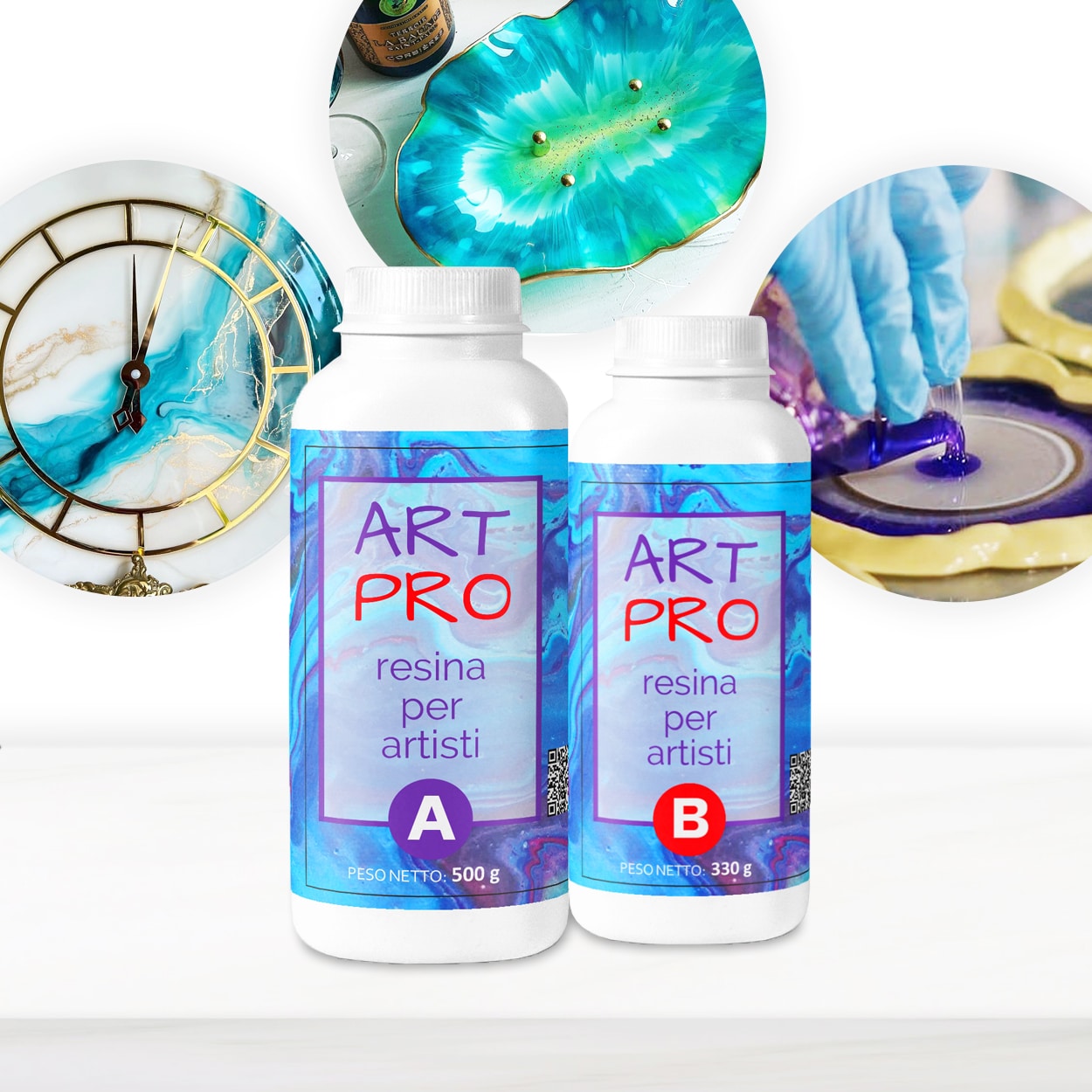
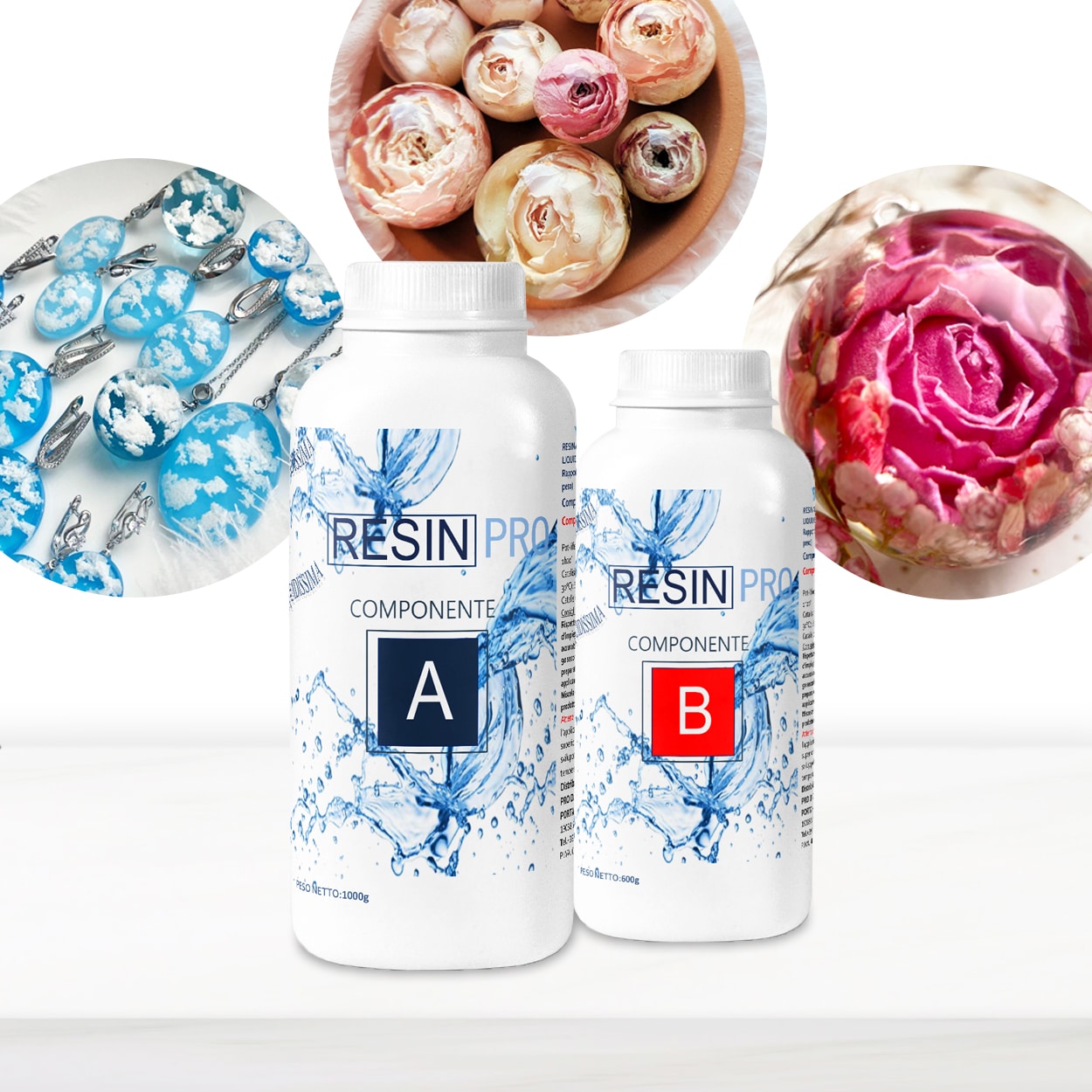
Ultraviolet (UV) filters play a crucial role in maintaining the clarity and longevity of epoxy-based acrylic resins, especially for applications where transparency and appearance are key. Below, learn how these UV filters work, when they matter most, and how to choose a suitable resin for your creative projects.
How UV Filters Work in Epoxy Resins
UV filters are additives incorporated into many modern epoxy-based acrylic resins to help reduce the effects of sunlight exposure. Ultraviolet light can cause clear epoxies to yellow and degrade over time, especially in decorative and artistic pieces. By absorbing or reflecting UV rays, these filters slow down discolouration, helping to preserve the resin’s original clarity for longer periods.

Benefits for Art, Jewellery, and Surface Coatings
- Maintaining Clarity: Projects that rely on a high-gloss, glass-like finish—such as jewellery, coasters, tables, and artwork—benefit significantly from UV-protected resin. This helps ensure the beauty and transparency of your work are preserved.
- Extending Durability: Surfaces and items frequently exposed to natural or artificial light, such as trays and tabletops, are less likely to yellow prematurely with a resin that contains a UV filter. This makes your projects more resilient for everyday use or display.
- Recommended Choices: Products like Art Pro Clear Epoxy Resin are specifically formulated for artists and crafters seeking clarity, durability, and UV protection for their creations.
When UV Protection Matters Most
If your resin projects will be displayed in sunlit rooms, near windows, or under constant lighting, choosing an epoxy with a UV filter is particularly important. Similarly, items designed to be used as coasters or surface coatings will retain their clear finish much longer when protected from yellowing.
Related products
Related guides
Incorporating UV filters in epoxy-based acrylic resins ensures your creative works maintain their original finish and visual appeal. For more on innovative resin formulations and their applications, visit our main guide on how epoxy-based acrylic resins are obtained.