 Free shipping on orders over £29,85
  Shipping Tracking!


 Google
 Facebook
← Back to What happens to epoxy resin at low temperatures?
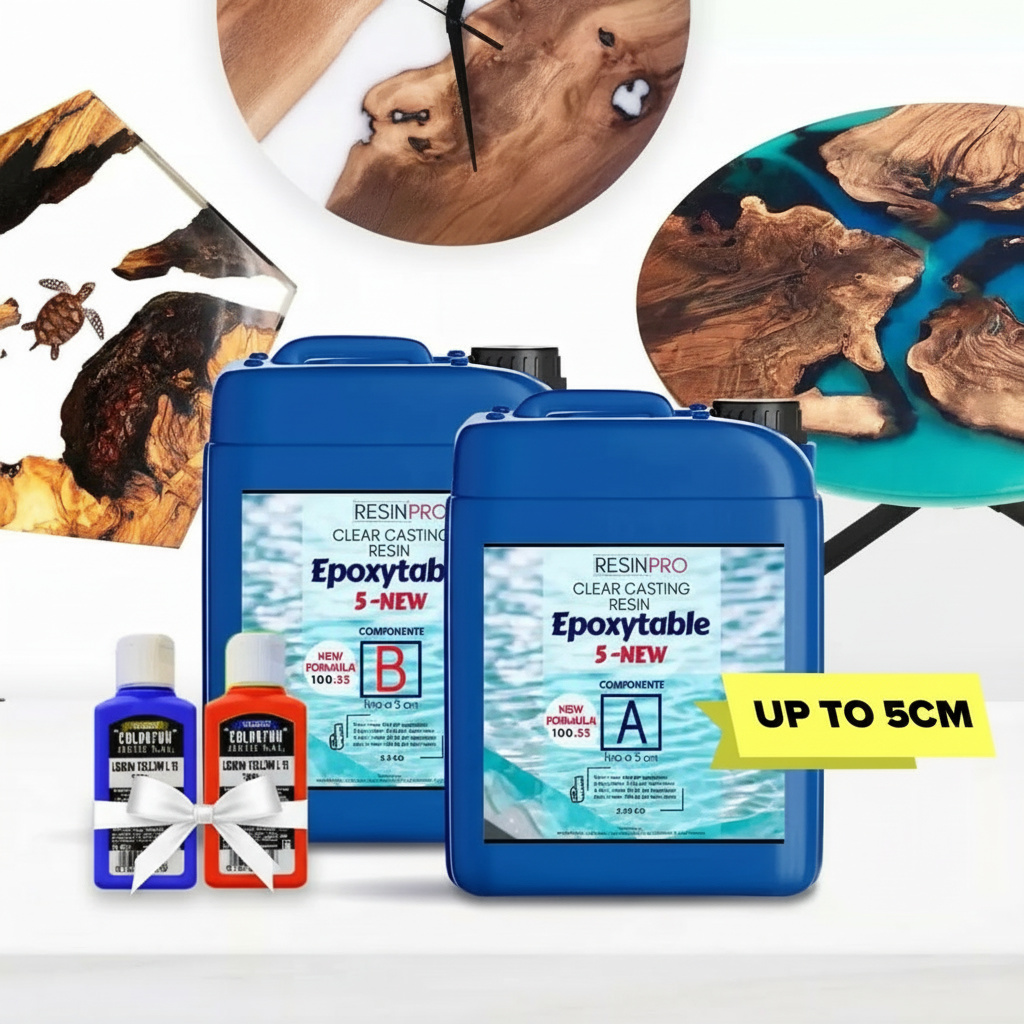
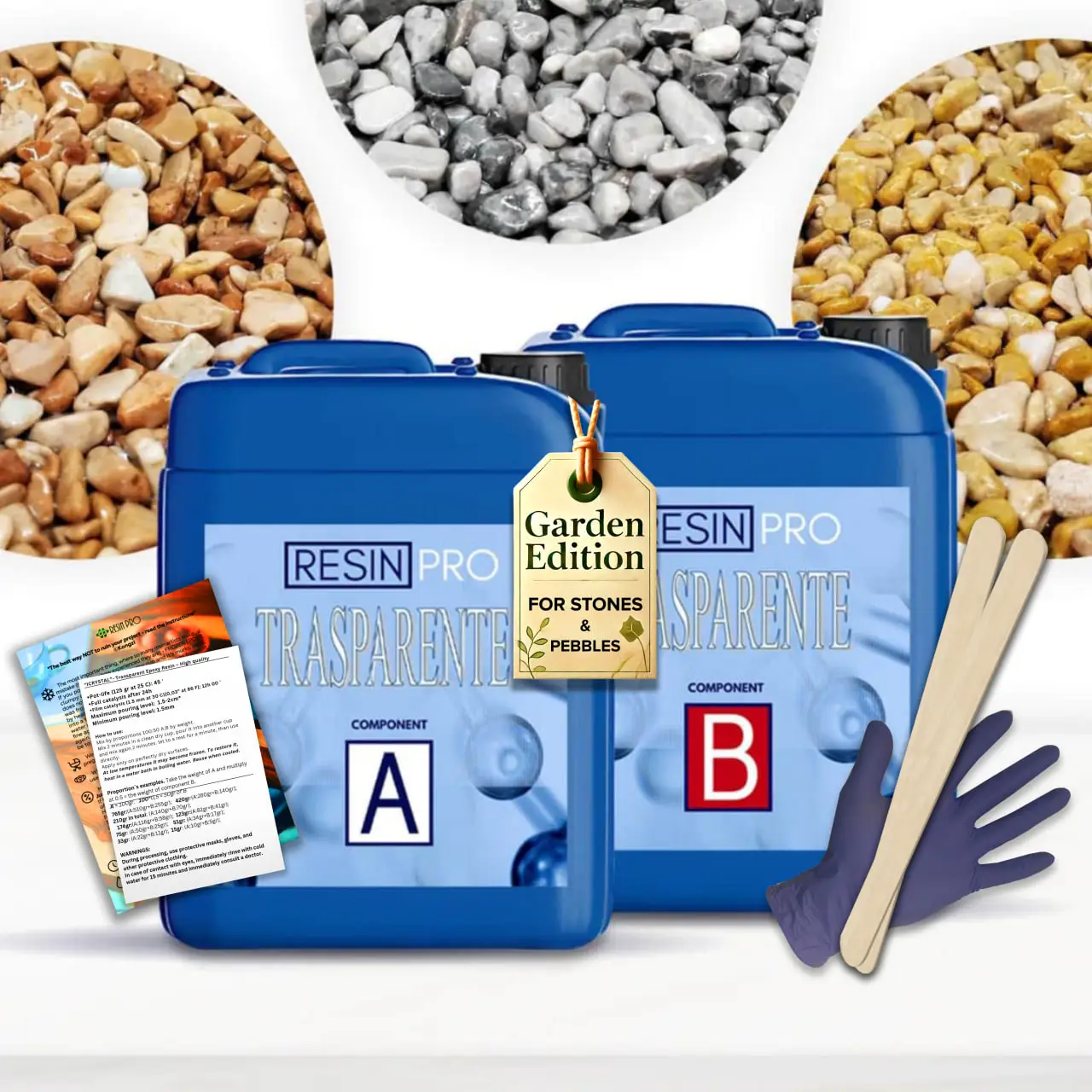
A low exothermic reaction means that the epoxy resin generates less heat as it cures. This quality becomes especially important when working with thick layers or in environments with lower temperatures, impacting how the resin sets and its final finish.
How Low Exothermic Reaction Influences Curing
Epoxy resins with a low exothermic profile are engineered to release less heat during the curing process. This is crucial for deep pour applications—such as making tables or thick, clear castings—because it helps prevent unwanted issues like cracking, yellowing, and overheating. Products like EpoxyTable 5-Five are designed specifically for pours up to 5cm, allowing the resin to set slowly for a flawless finish without excessive heat build-up.


Benefits for Deep Pour and Cold Condition Projects
In practical terms, a resin with low exothermic reaction is more forgiving for beginners and professionals alike. It offers a longer working time, reducing the pressure to rush the mixing or pouring, and helps avoid bubbles that can form if the curing is too rapid. If working in a colder environment, the slower heat build-up ensures the resin cures evenly. However, manufacturers still recommend avoiding pouring when conditions are too cold or if the project requires much thicker layers than recommended.
When This Matters Most
- You are creating tabletops, river tables, or artworks requiring thick, clear casts.
- The workspace temperature is lower than ideal and you want to reduce risks during curing.
- You wish to minimise stress on the resin and substrate, preventing warping or heat-related defects.

Related products
Related guides
Choosing an epoxy resin with low exothermic activity is best for deep castings or cool ambient conditions. For more details about how epoxy behaves in low temperatures, return to our main guide on epoxy resin and low temperature effects.