 Free shipping on orders over £29,85
  Shipping Tracking!


 Google
 Facebook
← Back to What are aquarium resins?

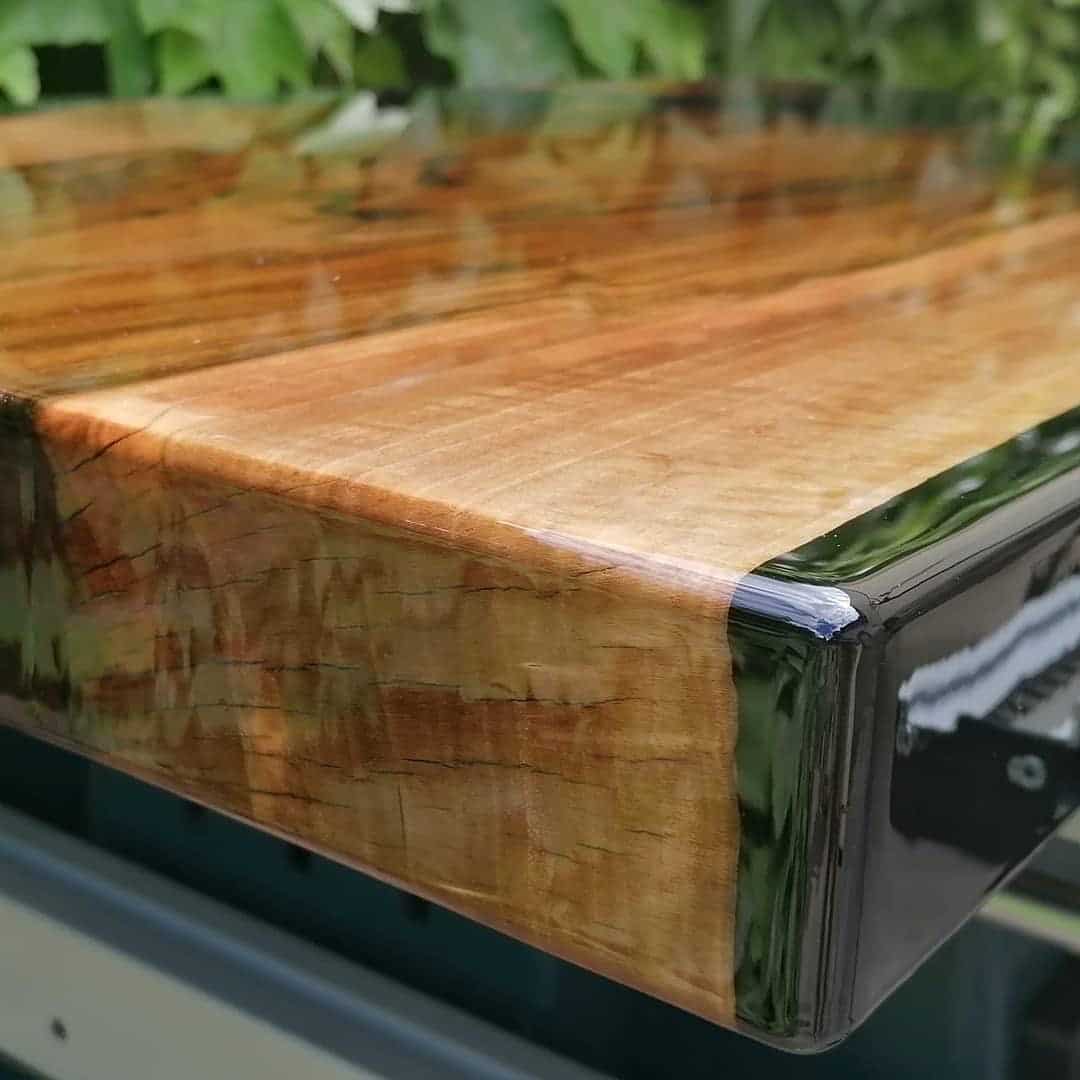
Epoxy resin is widely used for aquariums and aquatic décor due to its stunning glass-like appearance. However, yellowing over time is a common concern—especially in environments affected by sunlight or strong lighting.
Why Does Yellowing Occur?
All epoxy resins are vulnerable to yellowing as a result of ultraviolet (UV) light exposure. In aquariums, even artificial lighting can accelerate this process, causing the resin’s clear finish to shift gradually toward amber or yellow. While this doesn’t normally compromise structural integrity, it can reduce visual clarity and affect your display’s appeal.


Choosing UV-Resistant Epoxy Resin
Opting for a resin specifically formulated with robust UV filters is essential if you want your project to remain clear for years. For large or deep-pour projects, “Epoxytable 10-Ten” is designed to offer extended clarity, with built-in protection to help prevent yellowing for up to five years. For medium-depth applications, EpoxyTable 5-Five features strong UV resistance as well. Meanwhile, Trasparente is ideal for smaller or thinner aquarium features, pairing transparency with UV filtering.
Tips for Long-Lasting Clarity
- Always select a UV-resistant epoxy for aquarium settings, even for components that won’t be in direct sunlight.
- Minimise prolonged exposure to strong lights where possible, including UV-heavy bulbs.
- Periodic gentle cleaning ensures no residue builds up that may accelerate surface discolouration.
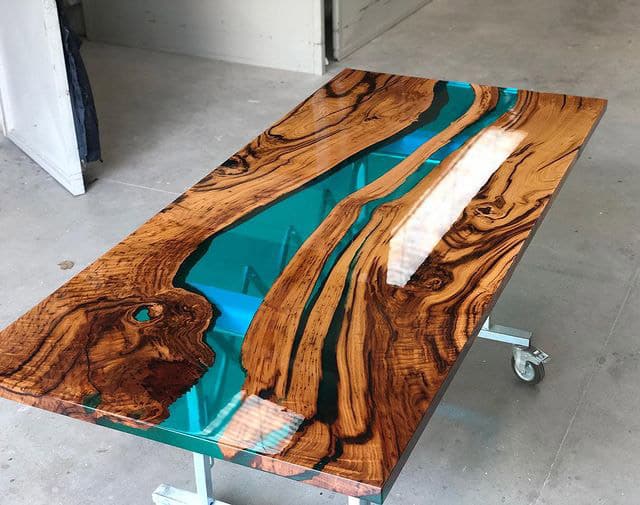
When This Matters
If your aquarium is situated near a window, under intense artificial lighting, or you wish to maintain ultra-clear display items, prioritising anti-yellowing properties in your epoxy choice is especially important.
Related products
Related guides
Using epoxy resin with reliable UV filters helps preserve the clarity and beauty of your aquarium for the long term. For more about selecting the right resin for aquatic environments, see our main page on aquarium resins.