 Free shipping on orders over £29,85
  Shipping Tracking!


 Google
 Facebook
← Back to What happens if I use too much catalyst in resin?
When working with resin, getting the catalyst ratio right is crucial. Too much catalyst can lead to a range of issues that affect both appearance and functionality. Recognising the symptoms early can save your project from disappointment.
Key Symptoms to Watch For
- Rapid Curing: The resin may harden much faster than expected, limiting your working time and making detailed work difficult.
- Brittleness and Cracking: Over-catalysed resin often becomes fragile and may crack or break more easily once set.
- Excess Heat: The reaction can generate more heat than intended, potentially leading to warping, shrinkage, or even surface distortion.
- Yellowing or Cloudiness: High catalyst levels may cause yellowing or a cloudy finish, which is particularly noticeable on clear and decorative projects.
- Reduced Mechanical Strength: The final result may lack durability, with poor resistance to impact or wear.

Practical Tips to Avoid Catalyst Issues
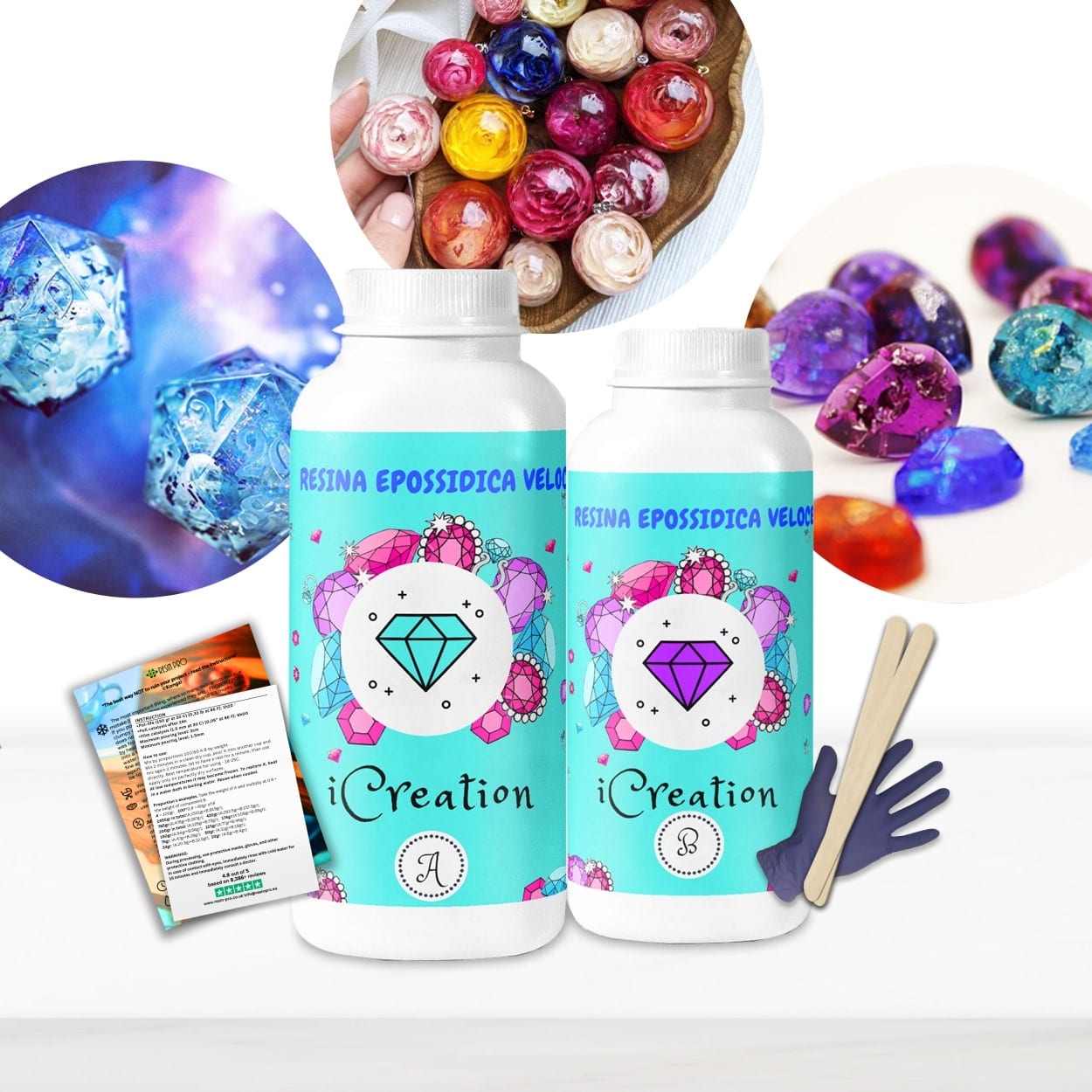
Always follow the manufacturer’s mixing ratios precisely. Use accurate digital scales for measurement and mix components slowly and thoroughly to ensure an even reaction. For example, if you want a reliable, quick-curing option, “ICreation” Fast Epoxy Resin offers a straightforward 2:1 mix. Avoid the temptation to speed up curing by adding more catalyst—slower, proper curing produces a stronger, clearer outcome.
When Does Too Much Catalyst Matter Most?
The risks of over-catalysing increase with larger or thicker pours, clear castings, or when a highly durable finish is needed. For deep castings or projects where clarity and stability matter—such as tabletops or art pieces—sticking to optimal catalyst ratios is vital for both safety and final results.

Related products
Related guides
Understanding the symptoms of excessive catalyst use helps you avoid common pitfalls and achieve the best possible finish. For more tips on perfecting your resin projects, visit our main guide on what happens if you use too much catalyst in resin.