 Free shipping on orders over £29,85
  Shipping Tracking!


 Google
 Facebook
← Back to What happens if I use too much catalyst in resin?

It’s tempting to add extra catalyst when you want resin to set more quickly, but is this really safe? Understanding how catalyst amounts affect resin is vital for good results and project safety.
The Effects of Too Much Catalyst
Exceeding the recommended catalyst ratio in resin mixtures can dramatically alter how the resin cures. While this may seem to speed up the process, it can cause the resin to generate excessive heat, leading to warping, surface flaws, or a cloudy appearance. In extreme cases, overheating may create irreversible damage to both your project and your workspace.

Why Ratios Matter: Safety and Quality
Each resin product is formulated for a precise balance of resin and catalyst. Adding more catalyst than specified not only brings safety hazards but can undermine the strength and clarity of the finished piece. Always follow the product’s recommended proportions for best results—adjustments outside these recommendations are not safe.
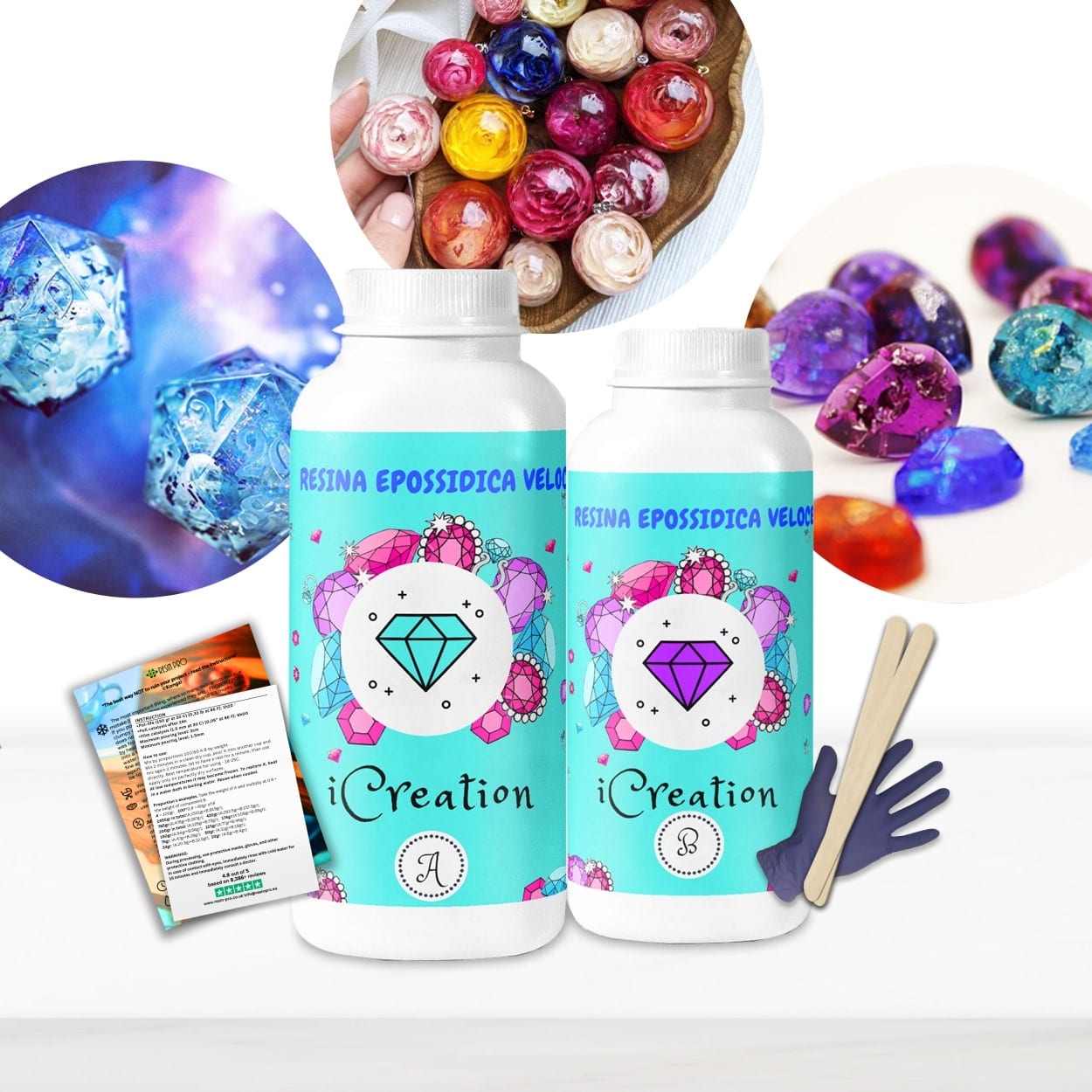
If you need a faster set, consider using a purpose-designed fast cure resin like our ICreation Fast Epoxy Resin, which safely offers a 6-hour demould time.
When This Matters Most
- Rushing large or deep resin pours where overheating risks are higher
- Creating clear castings, jewellery or art where final appearance is critical
- Ensuring consistent results in time-sensitive or commercial work

Related products
Related guides
Stick to recommended catalyst ratios for safe, strong, and clear resin results. If speed is a priority, look for resins formulated to cure quickly rather than adjusting catalyst levels. For more advice on catalyst and curing, explore the main page: what happens if I use too much catalyst in resin?.