 Free shipping on orders over £29,85
  Shipping Tracking!


 Google
 Facebook
← Back to What happens if I use too much catalyst in resin?
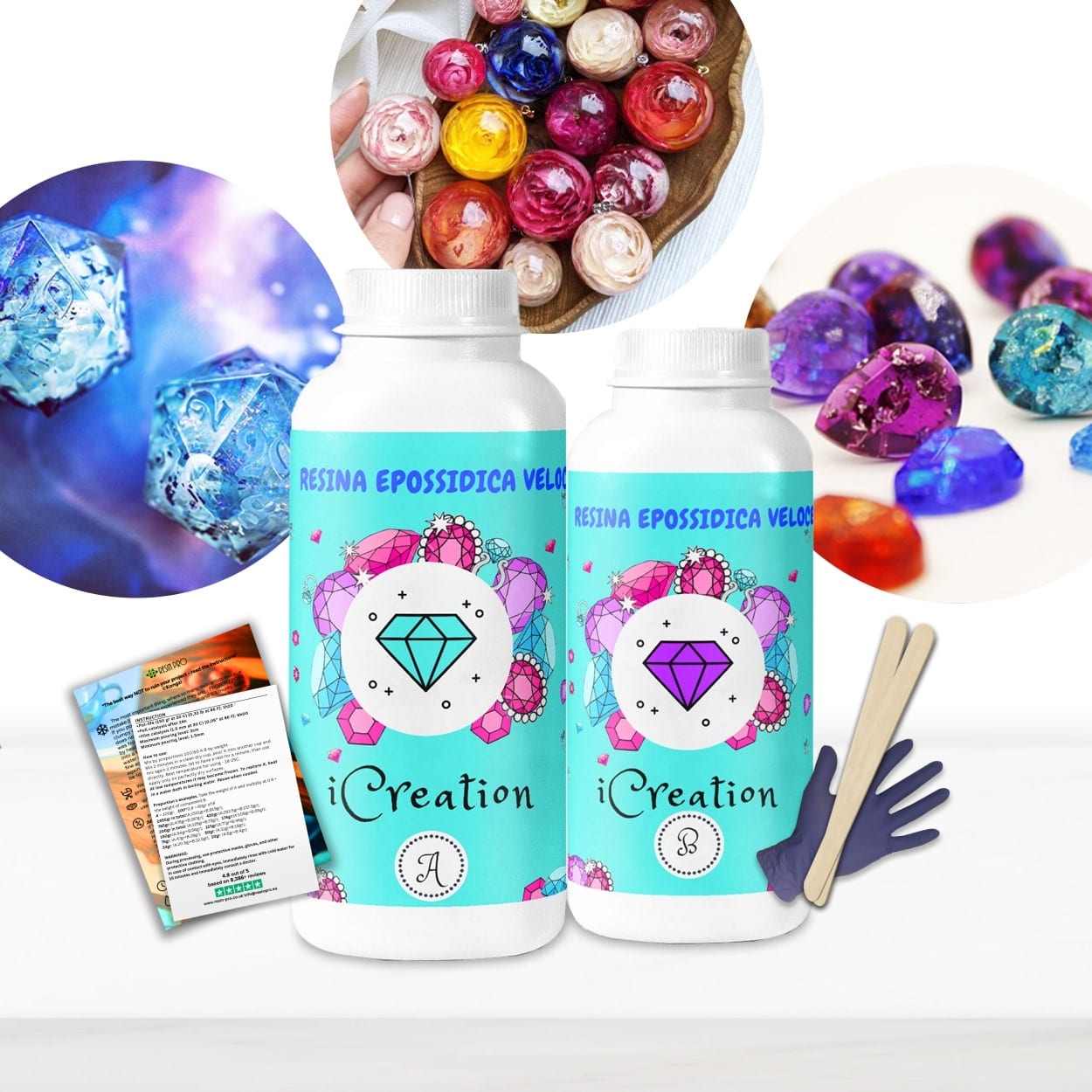

Accidentally used too much catalyst in your resin project? While over-catalysed resin can’t be reversed once it has set, there are practical steps you can take to salvage your work or prepare for your next attempt.
Assessing the Damage
Too much catalyst often causes resin to cure too quickly, leading to brittleness, discolouration, or surface imperfections. First, inspect the cured resin carefully. If the defects are mainly cosmetic—such as an uneven or cloudy finish—you may be able to sand and refinish the surface. Severe issues like cracks, brittleness, or sticky areas are harder to correct and may require more significant intervention.


Repair and Salvage Options
- Sanding and Finishing: For surface imperfections, use fine-grit sandpaper to smooth out rough spots. Afterwards, apply a suitable finishing resin such as the “ICreation” – Fast Epoxy Resin for a glossy, clear top layer.
- Partial Replacement: If only part of your project is affected, it may be possible to remove the compromised section and recast using the correct catalyst ratio.
- Starting Over: For significant structural failure, removing and recreating the project with careful measurement is often the most reliable solution.
Tips to Prevent Over-Catalysis Next Time
- Follow Manufacturer Instructions: Always measure resin and catalyst according to the specific product guidelines. A mistake here is the most common cause of over-catalysed projects.
- Mix Thoroughly: Incomplete mixing can cause uneven curing. Use a dedicated mixing container and stir for the recommended time.
- Choose the Right Product: Products like “Art Pro Deluxe” Ultra-High Viscosity Resin offer more control during application, reducing risk of mixing errors.

When This Matters
If you’re working on time-sensitive or large resin projects—like tabletops or deep castings—the margin for error is smaller. Over-catalysis is most problematic in these cases, so accurate measurement and using well-suited resins is especially important.
Related products
Related guides
While a resin project can’t be truly ‘uncatalysed’ once cured, knowing how to address over-catalysis helps reduce waste and improve results. For more details on what happens if you use too much catalyst in resin, see our main guide on this topic.