 Free shipping on orders over £29,85
  Shipping Tracking!


 Google
 Facebook
← Back to What happens if I use too much catalyst in resin?

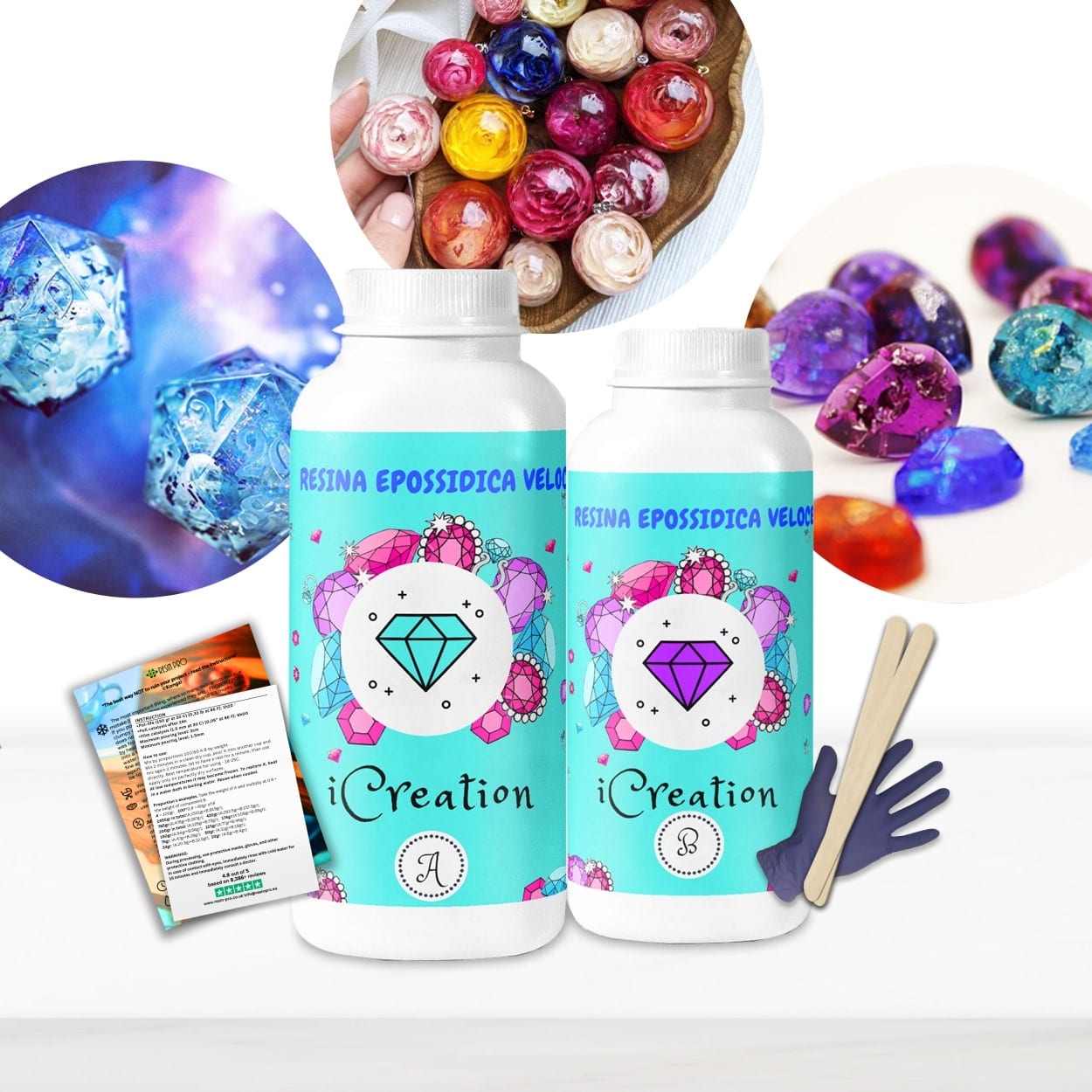
Creating thick resin castings, especially those up to 10cm deep, demands a careful approach to avoid overheating, which can affect the clarity, structure, and finish of your piece. Understanding the right materials, process, and precautions is key to successful results in large art, furniture, or table projects.
Choosing the Right Epoxy for Deep Pours
Not all resins are designed for thick applications. For deep castings up to 10cm, it is essential to select a low exothermic, slow-curing epoxy resin formulated specifically for large volumes. Products such as “Epoxytable 10-Ten” are engineered to handle the challenges of deep pours by minimising heat generation during curing, thereby reducing the risk of cracking, fading, or deformation.
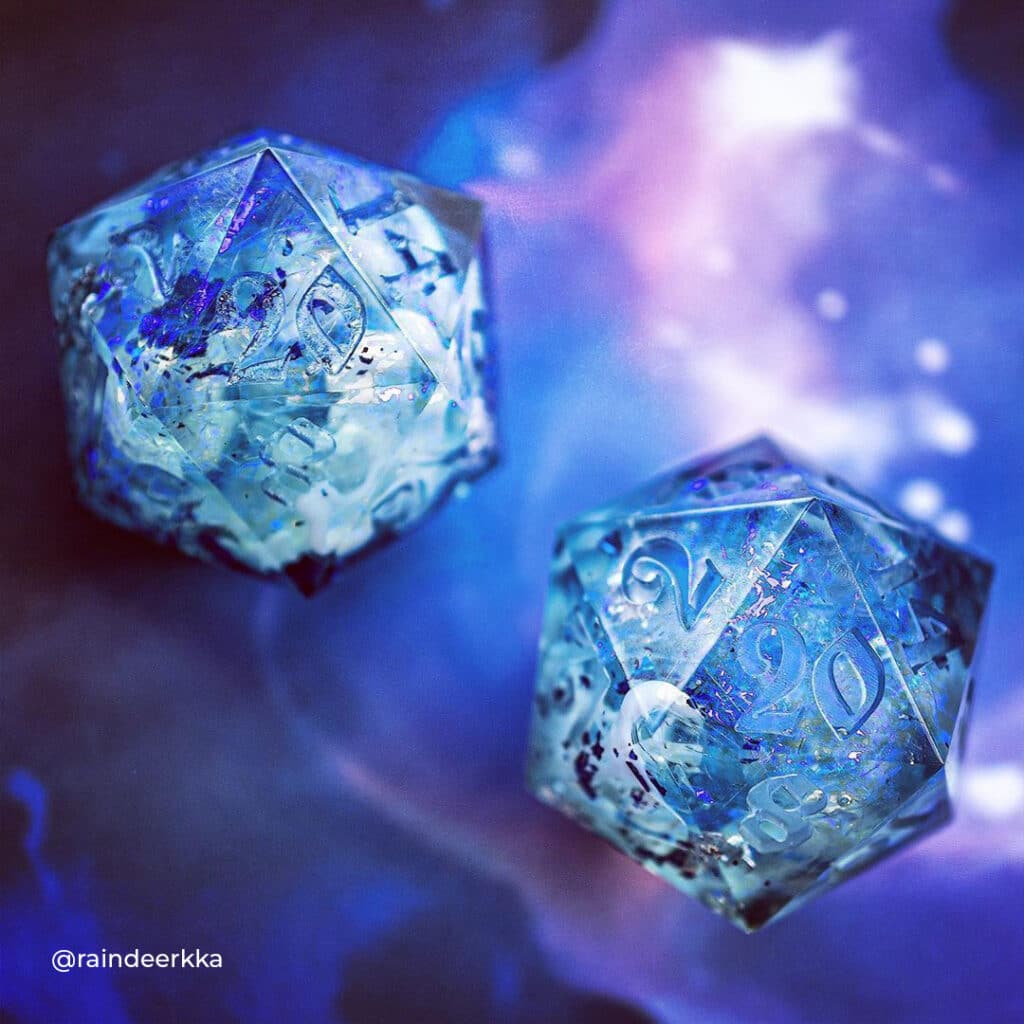

Safe Pouring Techniques for Thick Castings
When working with thick layers, it’s important to mix the resin and hardener at the manufacturer’s recommended ratio—never adjust catalysis to speed up curing, as this can result in excessive heat and compromise the finish. For very large surfaces or high overall resin volume, consider pouring in several thinner layers (typically up to 10cm per pour for suitable resins), allowing ample time for each layer to partially cure and cool before adding the next. This method helps prevent defects and maintains clarity.
When This Matters: Avoiding Overheating in Big Projects
If you’re casting river tables, large decorative objects, or thick resin blocks, preventing overheating is crucial. Overheating can lead to discolouration, bubbles, warping, or a weakened structure—issues often amplified by using too much catalyst or the wrong resin system. Staying within advised pour depths and following product guidance helps you achieve reliable, professional results.
Related products
Related guides
By selecting the right deep-casting resin and following reliable formulation practices, you can confidently tackle thick resin projects without fear of overheating. For more tips and in-depth advice, explore the main guide on what happens if you use too much catalyst in resin.