 Free shipping on orders over £29,85
  Shipping Tracking!


 Google
 Facebook
← Back to What can be used as a release agent for resin?
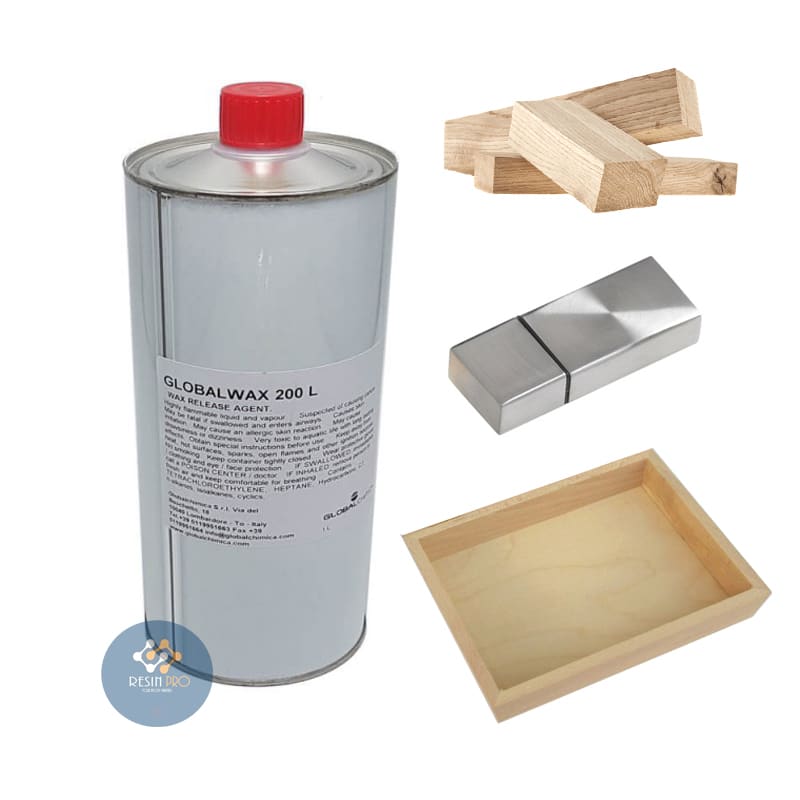
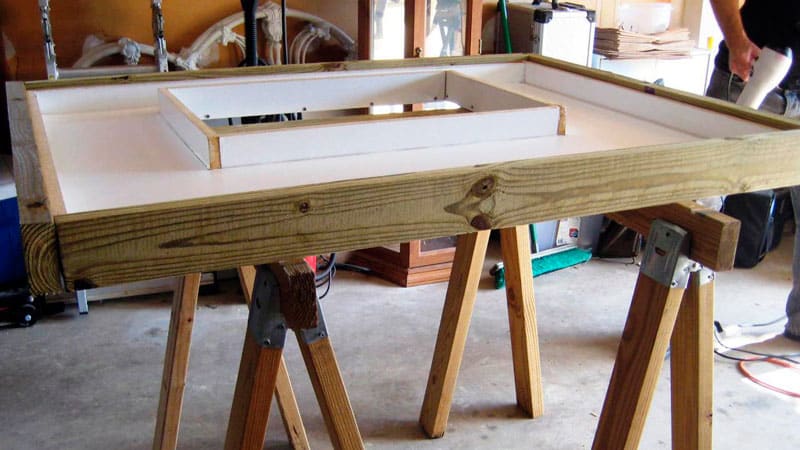
Choosing the right release wax is crucial for ensuring your resin projects come out cleanly and smoothly. Not all surfaces react in the same way, so knowing which materials are compatible with release wax helps you avoid disappointing results and damage to your moulds or masters.
Compatible surfaces for release wax
Release wax, such as the “Global A2” Release Wax, is designed for use on a range of surface types commonly found in resin work. It adheres well to:
- Wood – Ideal for forms and masters, offering reliable release with minimal residue.
- Metal – Suitable for steel, aluminium, and other metals often used as mould walls or supports.
- Plastic – Works with many rigid plastic surfaces where resin might otherwise stick.
- Cardboard – Handy for temporary formwork or model making when you need easy removal.
This versatility makes release wax a go-to choice for both intricate casts and larger-scale projects.
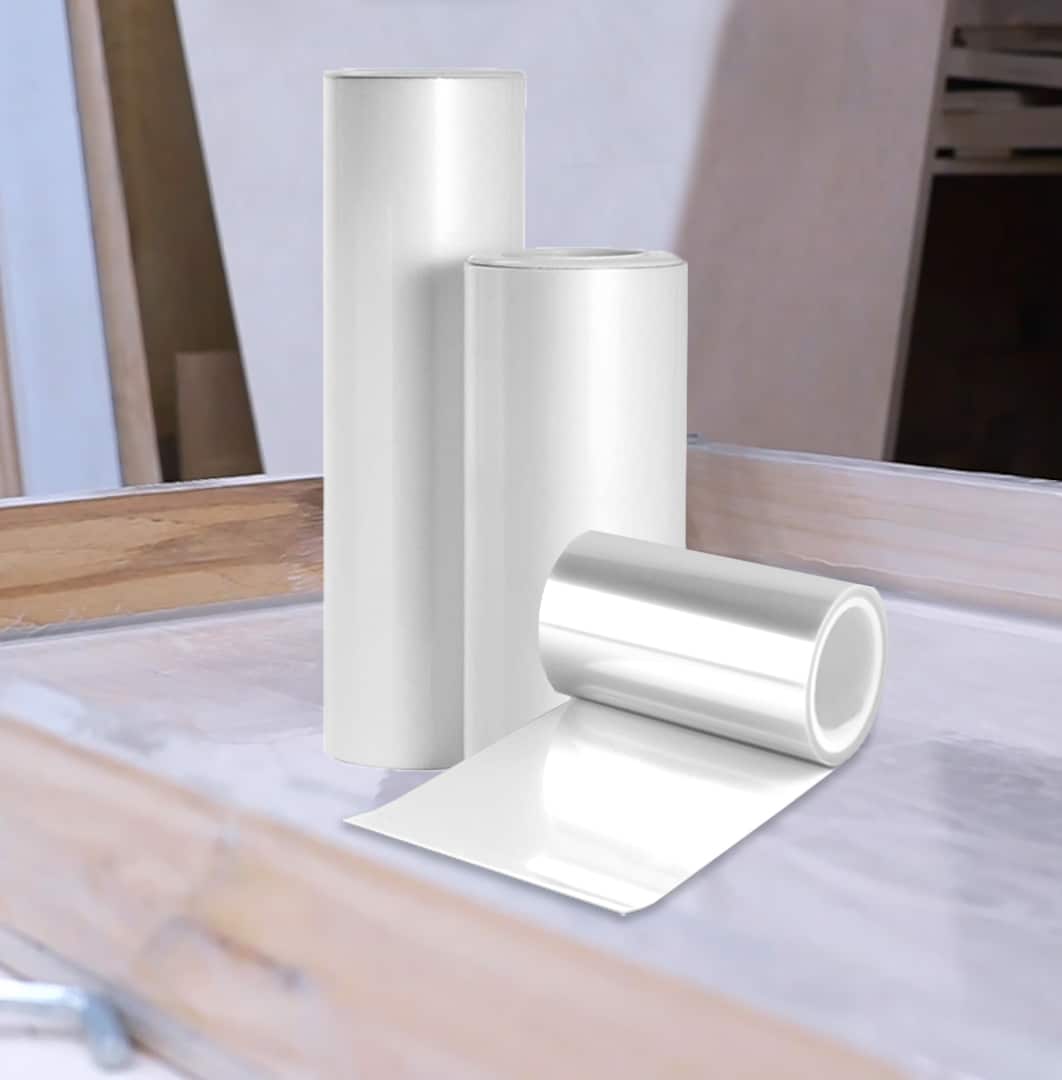
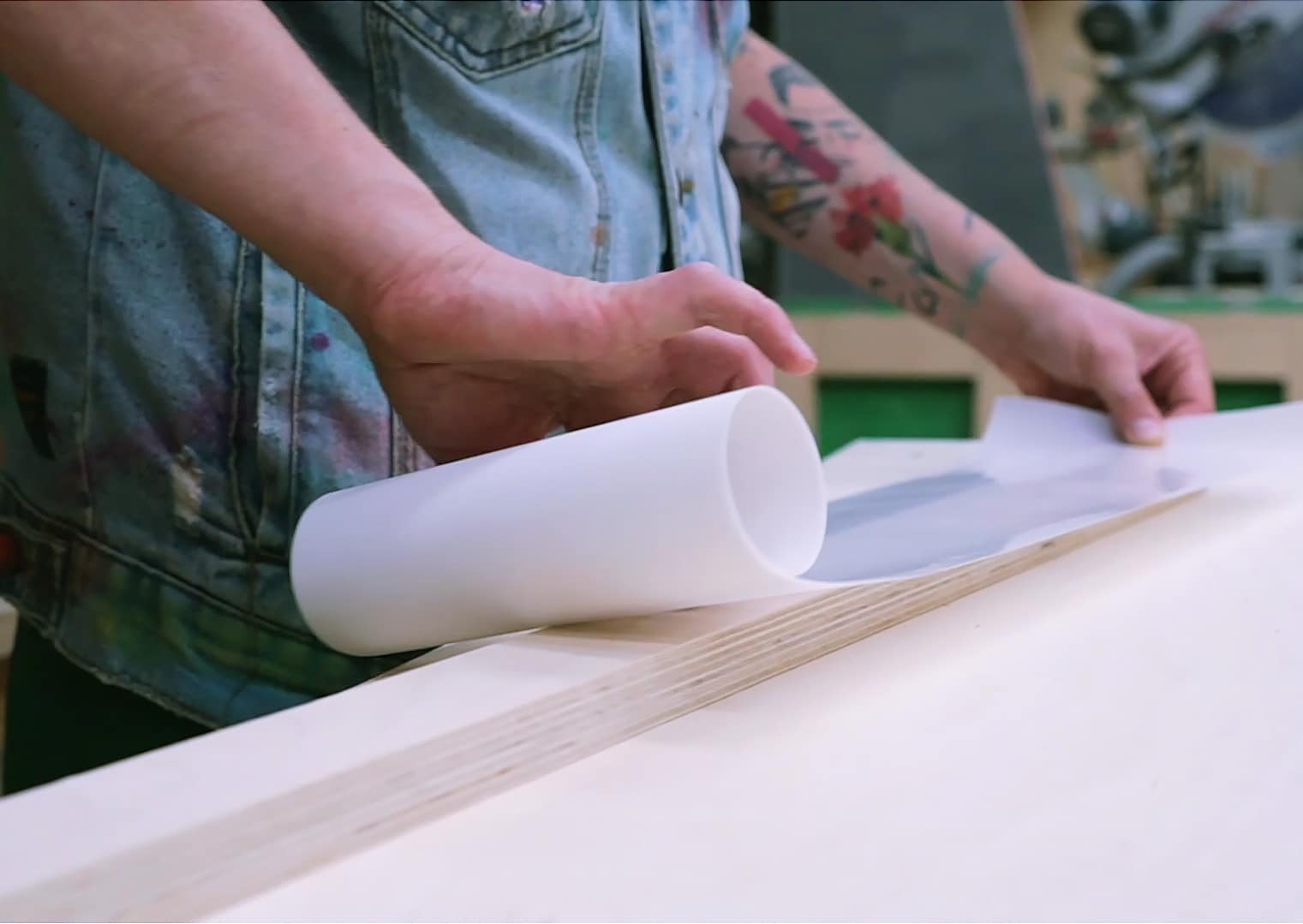
Application tips for best results
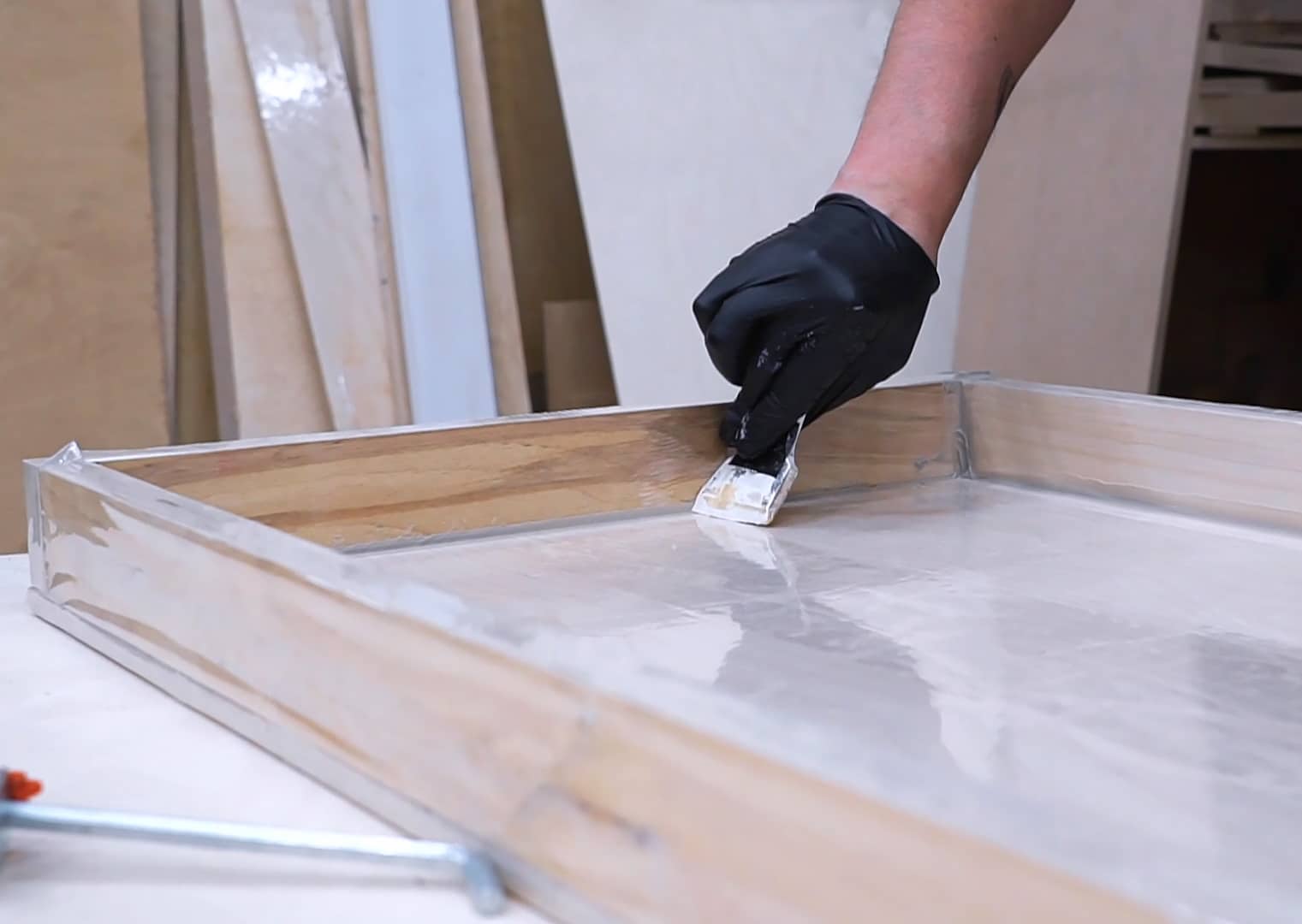
For even coverage and optimal release, always apply a thin layer of wax to a clean, dry surface. Use a lint-free cloth or soft brush, spreading the wax and allowing it to dry—typically in just a few minutes. Buff lightly if a shinier finish is desired. Note that highly textured or porous surfaces may need extra coats to ensure a uniform barrier.
When this matters
The choice of compatible surface is especially important if you’re working with uncured or sticky resins, or using delicate or irreplaceable moulds. The right wax allows repeated use without damage or frustrating cleanup, making it particularly valuable when working with wood or when switching between different materials.
Related products
Related guides
Understanding where release wax can be reliably applied helps protect your moulds and achieve professional results. For more insights and alternatives, visit our main guide on what can be used as a release agent for resin.