 Free shipping on orders over £29,85
  Shipping Tracking!


 Google
 Facebook
← Back to What can be used as a release agent for silicone rubber?
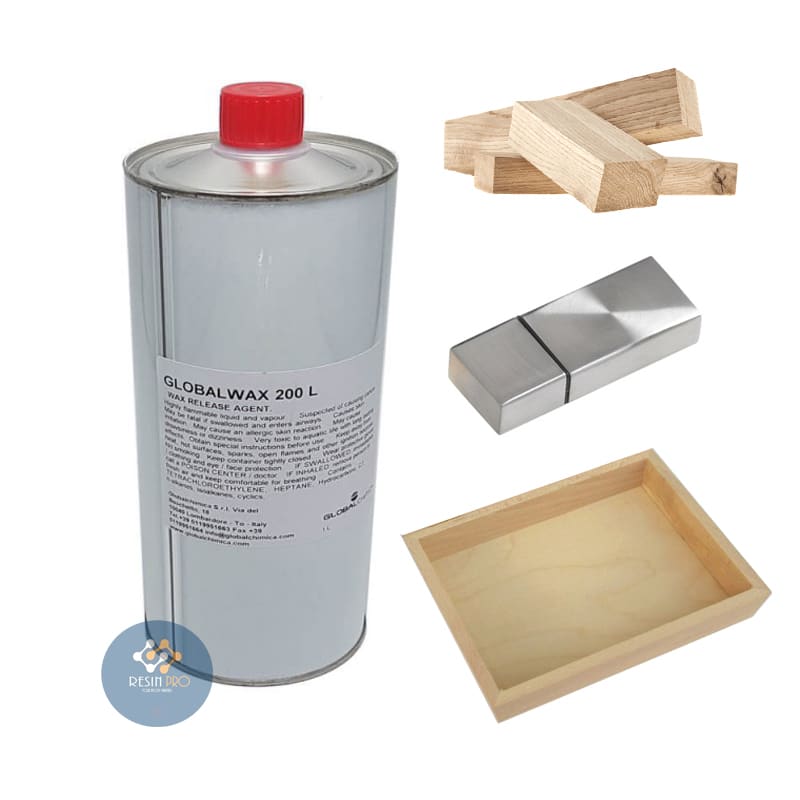

When working with resin or similar casting materials, ensuring easy removal from your mould is essential. Release wax offers a simple way to create an anti-adhesion layer on various mould surfaces, protecting both your project and your equipment.
What Does Release Wax Do?
Release wax forms a thin, protective film that prevents resins from bonding to mould surfaces. Applied correctly, it acts as a barrier, significantly reducing the risk of your workpiece sticking after curing. High-quality liquid waxes, such as Global A2 Release Wax, are engineered to create this anti-adhesion effect, ensuring your casting comes out clean with minimal effort.


How to Apply Release Wax Effectively
To achieve a consistent non-stick finish, apply the wax evenly with a brush or spray gun. It dries quickly—typically in 2–3 minutes—allowing for efficient workflow. Most release waxes are suitable for multiple mould materials, including wood, metal, plastic, and cardboard. For silicone moulds, always verify compatibility, as not all waxes are formulated specifically for silicone rubber surfaces.
When This Protective Film Matters Most
Using a release wax is vital in professional resin casting or when working with intricate moulds that are difficult to replace. It helps preserve the fine details of the mould and makes demoulding worry-free, regardless of whether you’re a hobbyist or a seasoned crafter.

Related products
Related guides
In summary, creating a protective anti-adhesion wax film is a practical approach to mould care and successful demoulding. To explore more options on release agents for silicone rubber, visit our main guide on what can be used as a release agent for silicone rubber.