 Free shipping on orders over £29,85
  Shipping Tracking!


 Google
 Facebook
← Back to What can be used as a release agent for silicone rubber?
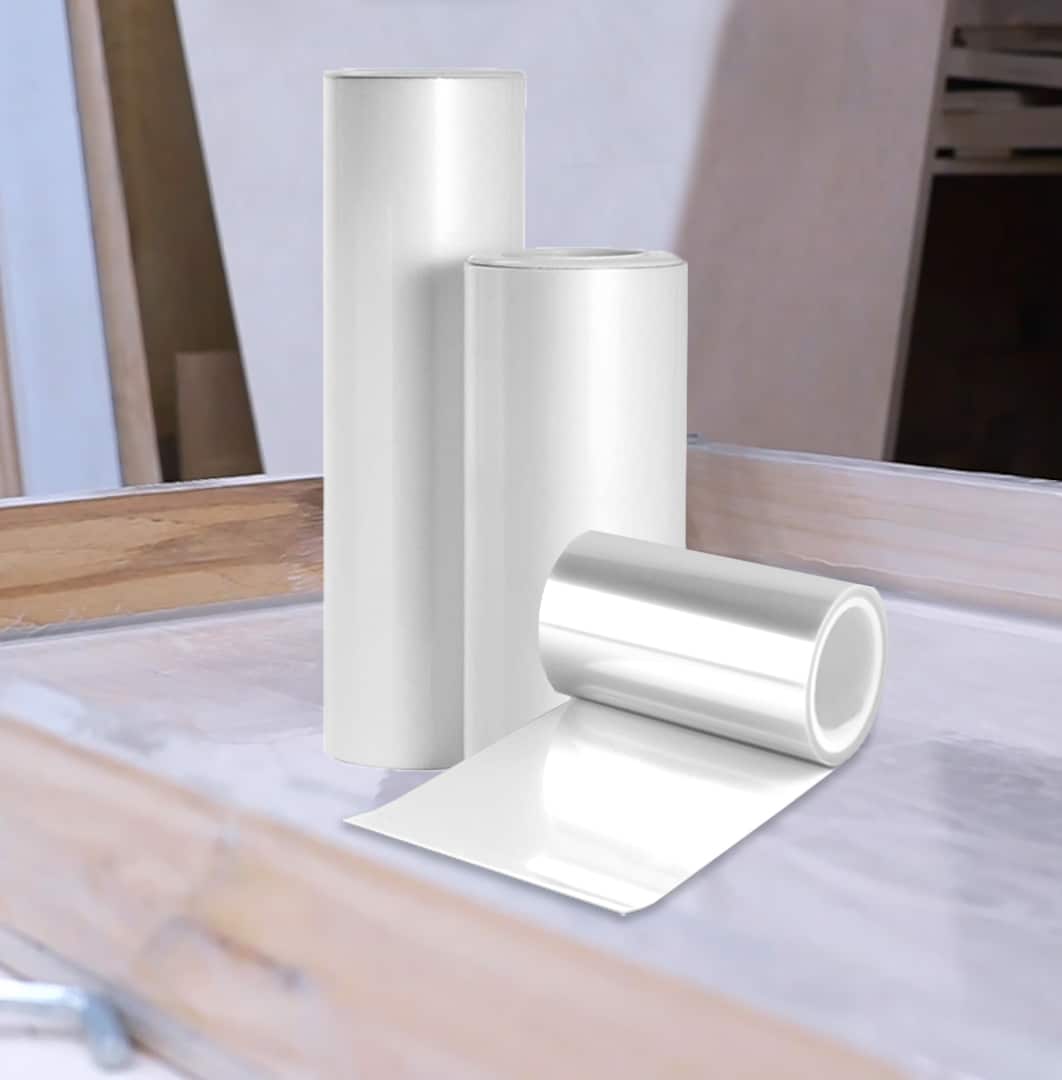

If your resin work involves high temperatures and deep casting, choosing the right release agent ensures hassle-free demoulding and a professional, glossy finish. Let’s look at dependable options for projects that require resistance beyond 100°C.
Release Agents that Excel at High Temperatures
For deep-pour resin or castings that generate considerable heat during curing, it’s essential to use a release agent designed to withstand elevated temperatures. Glossy release films like “Shiny Shield” are formulated specifically for deep resin pours, maintaining their structural integrity at temperatures well above 100°C. Such films create a ultra-smooth, non-stick barrier, ensuring your resin doesn’t bond to the mould or frame and that removal is straightforward even after demanding pours.


Practical Tips for Deep-Pour Resin Projects
- Check the release agent’s heat resistance rating before pouring hot or exothermic resin.
- Apply self-adhesive release films smoothly to avoid bubbles that might disrupt the final finish.
- For unconventional mould shapes or when using plywood or metal frames, a liquid wax release agent such as Global A2 Release Wax provides a reliable release surface and is also rated for high temperatures.
Always follow the product guidelines for application and curing to make demoulding as smooth as possible.
When Extra Heat Resistance Really Matters
Planning a thick-layered pour or working with high-exotherm resins? Using a heat-resistant release agent is especially crucial if your project or resin type will reach temperatures near or beyond 100°C during curing. Standard films or waxes may break down at high heat, making reliable, purpose-made products an investment in project success and mould longevity.

Related products
Related guides
Choosing the right high-temperature release solution is essential for smooth demoulding and excellent resin finishes, especially when working with deep pours. For more in-depth answers, visit the main guide on what can be used as a release agent for silicone rubber.