 Free shipping on orders over £29,85
  Shipping Tracking!


 Google
 Facebook
← Back to What can be used as a release agent for silicone rubber?
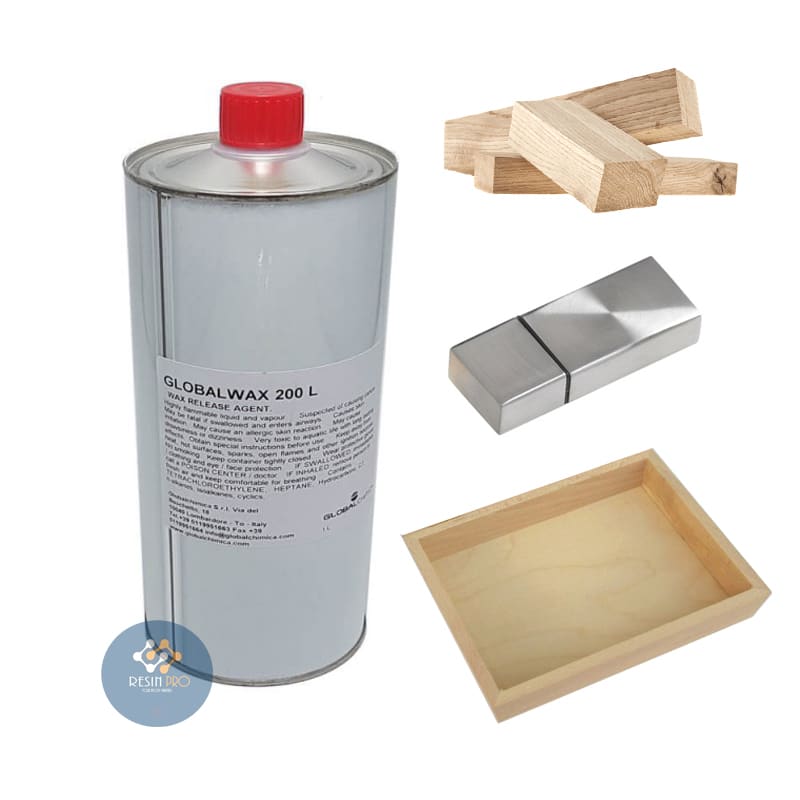

Choosing a release agent that can withstand temperatures up to +180°C is important for resin casting projects where heat build-up occurs. The right product helps ensure easy demoulding and protects your moulds.
Heat Resistance in Release Agents
When casting resins—especially epoxy—temperatures can rise considerably during curing. A heat resistant release agent that tolerates up to +180°C is less likely to degrade or lose effectiveness mid-process. Among commonly used options, liquid waxes formulated for resin moulds are tested for heat tolerance and provide reliable anti-adhesion even at higher casting temperatures.


Options for Resin Casting
- Release wax: Products like Global A2 Release Wax coat mould surfaces to create a protective non-stick layer and remain effective up to +180°C.
- Silicone oils: Silicone-based oils help release cured resins and support repeated use of silicone moulds, though direct temperature specifications may vary—check each product for details.
- Release films: Glossy films such as “Shiny Shield” allow for bubble-free application to mould frames and can tolerate over 100°C, making them suitable for most resin pours but not the hottest systems.
To use, ensure your moulds are clean and dry, then apply the release agent with a brush or spray (for wax), a wipe (for oils), or adhere the film as directed. Reapply as needed, especially for intricate designs or repeated castings.
When This Matters
If your resin projects involve deep pours, high exothermic reactions, or casting against metal moulds—which all generate more heat—selecting a release agent validated for up to +180°C creates fewer risks of sticking or surface damage.

Related products
Related guides
Using a heat resistant release agent is a practical way to protect both your resin work and your moulds. For further insight and alternative solutions, see our main guide on what can be used as a release agent for silicone rubber.