 Free shipping on orders over £29,85
  Shipping Tracking!


 Google
 Facebook
How to colour white resin?
Techniques, pigments and tips for vibrant resin colouring

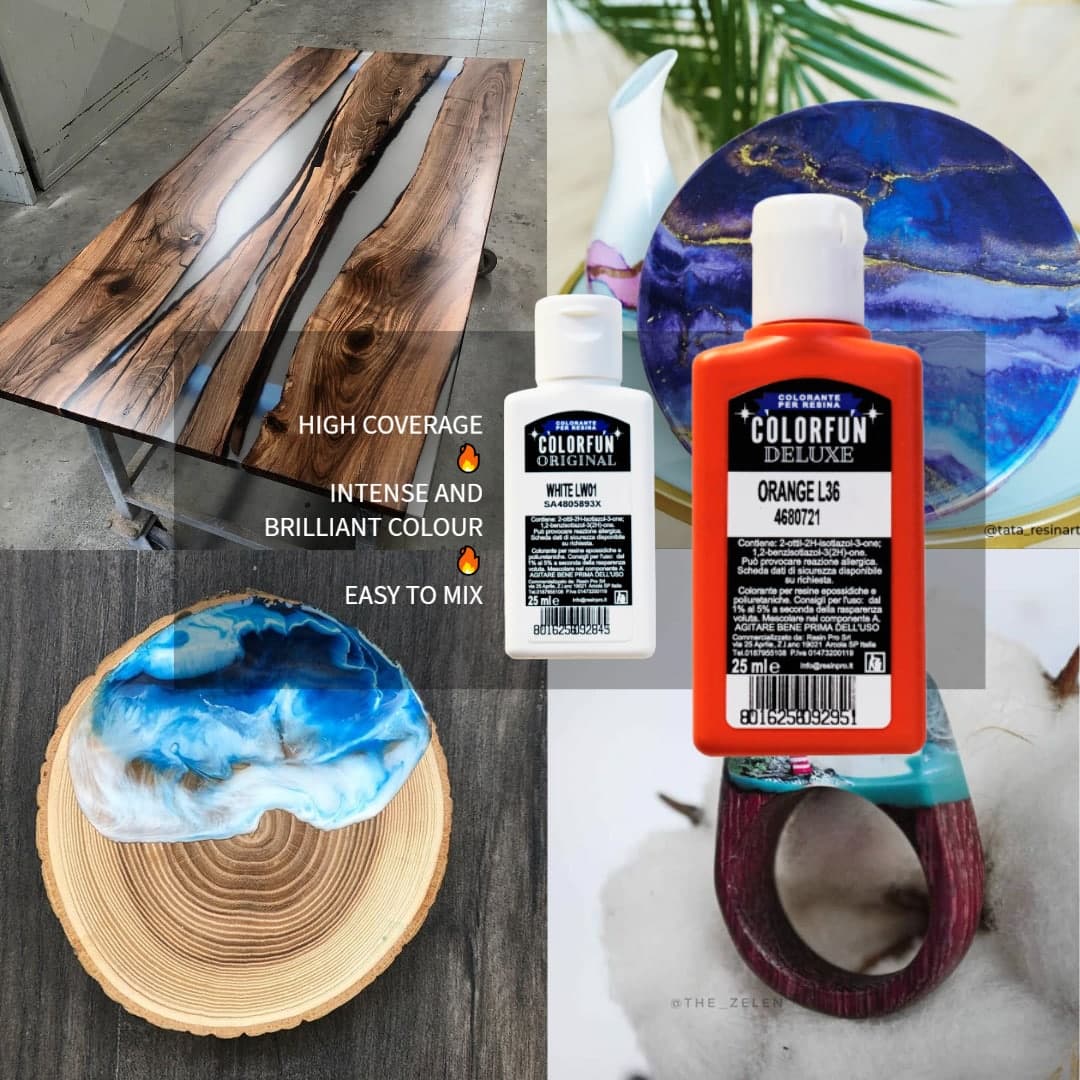
Achieving a vibrant, consistent colour in white resin projects opens the door to countless creative possibilities—from jewellery making to river tables and shimmering cast art. This guide explains the steps, tips and key considerations for adding colour to white resin using professional-grade pigments or liquid dyes, so you can create bold, elegant, or even metallic finishes without frustration.
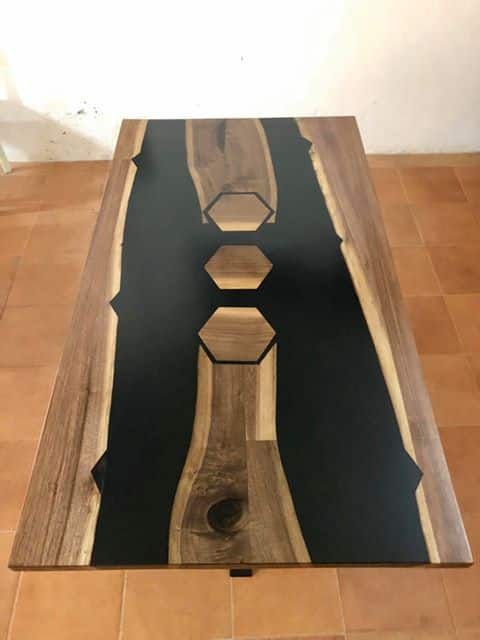
What You’ll Need
- “Colourfun Set” – Liquid Epoxy Resin Colourant Set for Solid Colour Effects: A versatile paste-form colourant for translucent and solid hues.
- “Colourfun” – Liquid Epoxy Resin Colourant 25-100ml – High coverage: Liquid dyes providing vivid, blendable colours with high opacity.
- “Sahara” – Mica Powder Pigment Metallic Motion Effect 10g / 100g: Mica-based, metallic pigments for pearlescent or motion effects.
- “Sahara Set” – Mica Powder Pigment Set, Metallic Motion, 10 x 10g: A palette of metallic mica powders for custom colour mixing.
- Mixing cups, stirrers and protective gloves
- Silicone or appropriate resin mould
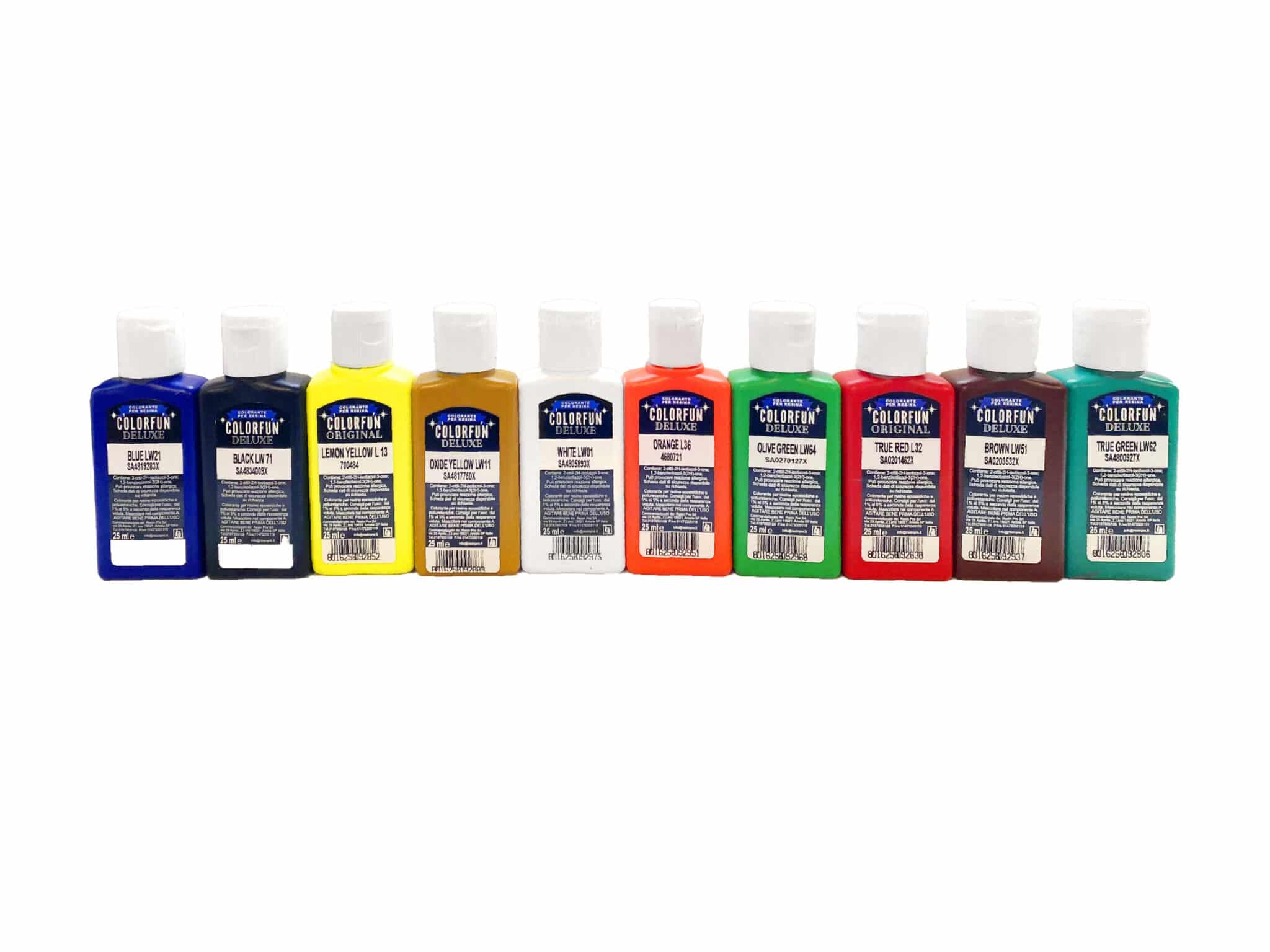
Visual Inspiration: Coloured Resin Samples
See how liquid dyes and mica powders transform white resin into eye-catching works—compare subtle translucence, bold opaque colour, and glittering metallics side by side for creative clarity.
Step 1: Prepare Your Workspace and Resin
Start by ensuring your work surface is clean, dust-free and level. Gather all the materials you need before you begin, and put on protective gloves to prevent skin irritation from the resin or pigments. Carefully measure your resin and hardener in the ratio recommended by the manufacturer. Proper measurement and mixing of base resin is critical for achieving a flawless finish.
Mix the resin and hardener together slowly for a few minutes, scraping the sides and bottom to fully combine the two. Avoid whipping air into the mixture, as this can create bubbles and mar your final result.
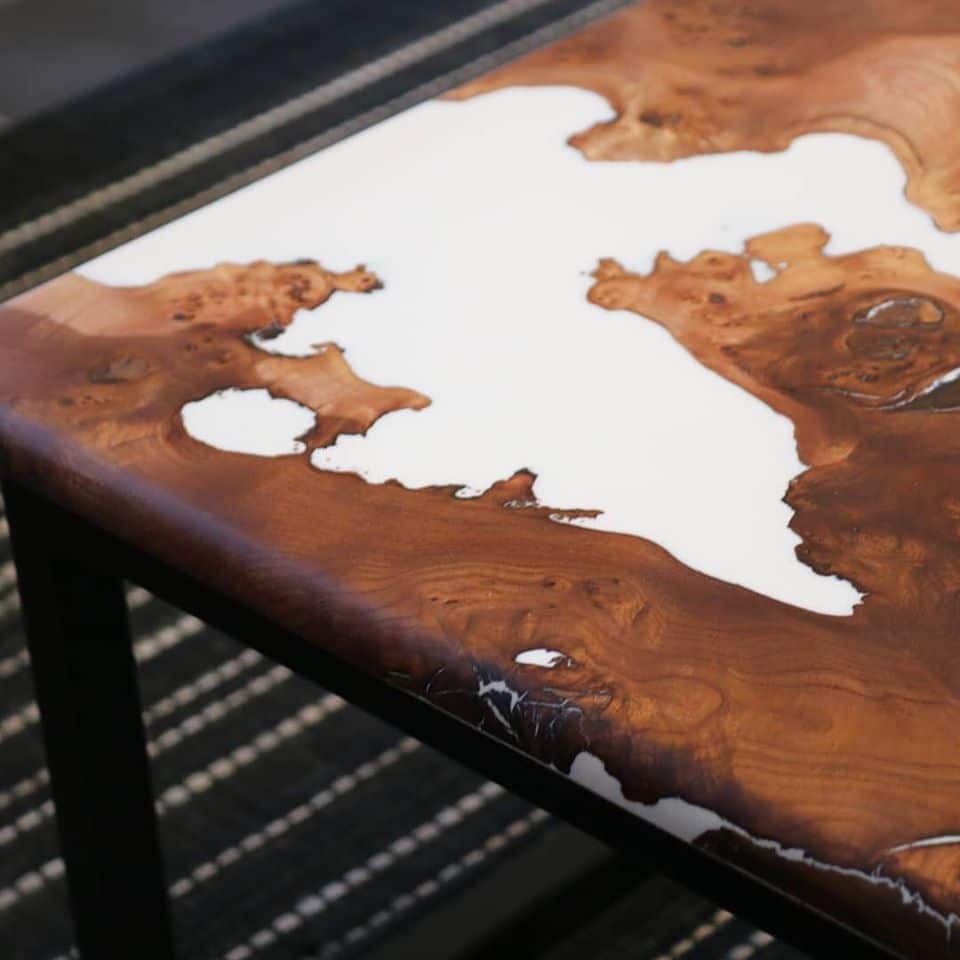

Step 2: Select and Add Your Colourant
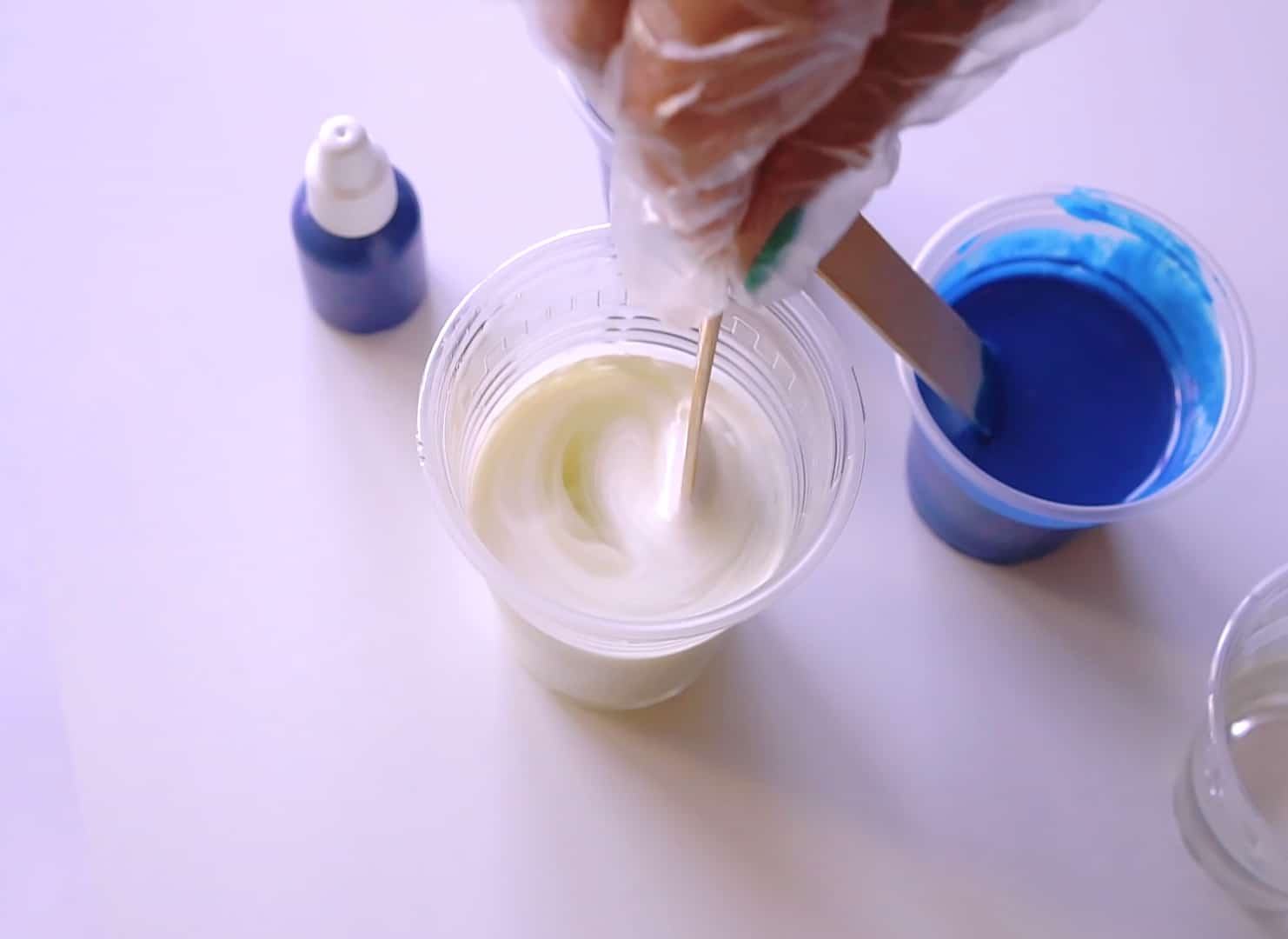
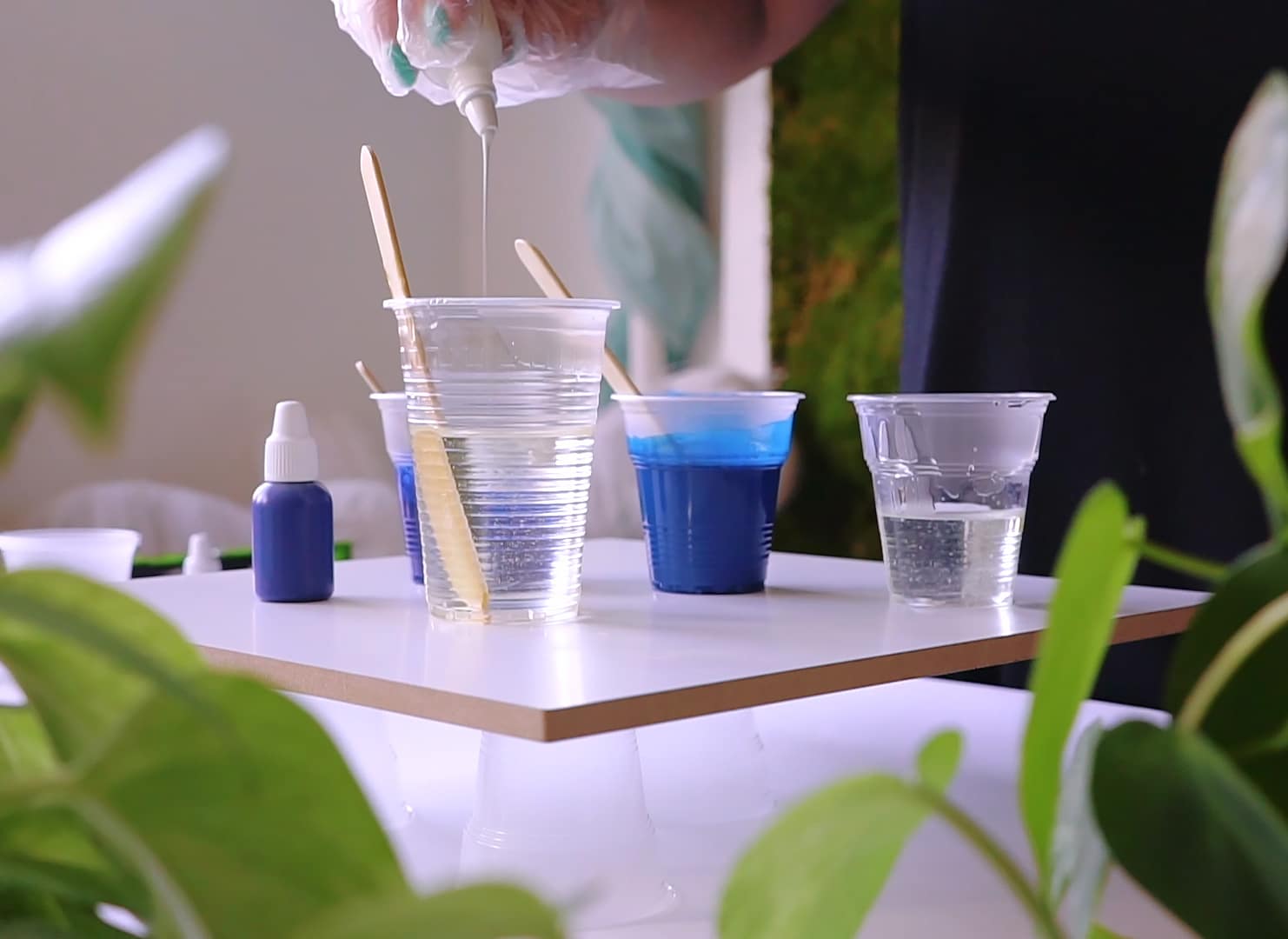
Now, decide whether you want an opaque, translucent, or metallic effect. For bold, opaque colour in white resin, a concentrated liquid pigment such as “Colourfun” – Liquid Epoxy Resin Colourant 25-100ml – High coverage works very well. Add small amounts of pigment—begin with a drop or less than 5% of the resin weight—and stir to evaluate intensity. For more dramatic, custom or metallic finishes, use “Sahara” – Mica Powder Pigment Metallic Motion Effect 10g / 100g, blending into the resin until you reach the desired depth.
Always add colour in conservative increments, as it is easy to oversaturate. For nuanced control or to experiment with multiple shades, the “Colourfun Set” – Liquid Epoxy Resin Colourant Set for Solid Colour Effects or the “Sahara Set” – Mica Powder Pigment Set, Metallic Motion, 10 x 10g offers mix-and-match versatility. Stir the colour thoroughly to avoid streaks and patches.
Step 3: Mix Thoroughly and Pour
Ensure the pigment is fully dispersed by mixing for another 2–3 minutes, taking care to reach all areas of your mixing container. Scrape the edges and bottom to prevent unmixed zones of resin or colourant—which can lead to streaky or uneven results. Before committing to a large project, test your pigment load with a small batch to see the true cured appearance.
When satisfied, pour the coloured resin gently into your prepared mould or onto your artwork. For layered or gradient effects, use multiple mixes with varying pigment amounts and pour them sequentially.

Step 4: Cure and Finish
Allow the resin to cure per the manufacturer’s timing, ensuring it sits in a dust-free environment during this period. Once fully set, demould your piece or complete any necessary surface finishing. For optimal durability and brilliance, avoid disturbing the resin while it is curing, and keep temperature and humidity consistent.
If required, polish or sand cured resin for a perfectly smooth and glossy surface. Coloured resin often reveals its truest hue after full cure, so patience pays off!
Tips and Common Mistakes When Colouring White Resin
- Choose the right pigment for your finish: Liquid dyes offer bold colour, mica powders provide shimmer and depth.
- Mix thoroughly to avoid streaks: Incomplete mixing causes patchy colour and flawed surfaces.
- Avoid overloading pigment: Too much colourant can weaken cured resin or cause soft spots.
- Test on a small batch first: Colours may intensify or shift slightly after curing.
Always respect manufacturer pigment guidelines for maximum concentrations. Store colourants tightly closed and away from moisture for best shelf life.
Real-World Results: Colourful Resin Creations
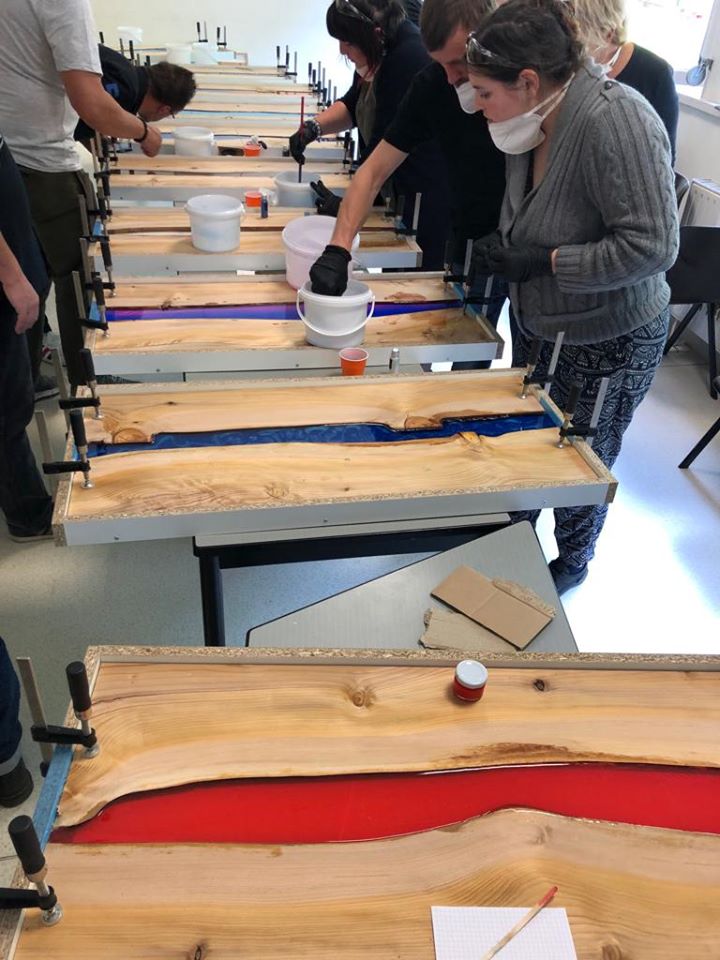
Explore finished projects crafted with different pigments, from river tables to jewellery—notice the smooth, rich, and custom colour effects possible with careful preparation and the right additives.
- "Colourfun Set" – Liquid Epoxy Resin Colourant Set for Solid Colour EffectsPrice range: £14.45 through £50.95This set offers intense, translucent colours for transparent epoxy resin projects with easy mixing and high coverage.
- "Colourfun" – Liquid Epoxy Resin Colourant 25-100ml – High coveragePrice range: £3.95 through £10.45"Colourfun" colourant delivers vibrant pigments for resin projects. Suitable for blending to opaque or translucent effects without altering resin…
 "Sahara" – Mica Powder Pigment Metallic Motion Effect 10g / 100gPrice range: £3.95 through £12.45"Sahara" mica powder pigment produces a metallic motion effect with durable colours, suitable for transparent resin glazing and crafts.
 "Sahara Set" – Mica Powder Pigment Set, Metallic Motion, 10 x 10g£20.95The "Sahara Set" offers a mixable palette of metallic pigments designed for transparent resin and glazing techniques with high stability.
Frequently Asked Questions
What is the best pigment to use for colouring white resin?
Liquid resin dyes like Colourfun are ideal for opaque effects, while mica powders such as Sahara add shimmer and depth.
How do I prevent streaks or uneven colour when colouring resin?
Thorough mixing and gradual pigment addition help ensure even distribution and consistent results.
What is the maximum amount of pigment I can use in white resin?
Stay below 5% pigment by resin weight to avoid compromising the cure and hardness of the resin.
Can I mix different pigments or dye types in the same resin batch?
Yes, but always test a small amount first to ensure compatibility and achieve your desired effect.
How can I get a metallic finish in white resin?
Add mica powder like Sahara to your mix for pearlescent, metallic or motion effects in white or transparent resin.
Does resin colour change after curing?
Colours can appear more vivid or slightly altered after full cure, so test batches are always advised.