 Free shipping on orders over £29,85
  Shipping Tracking!


 Google
 Facebook
← Back to What to See in Resina?
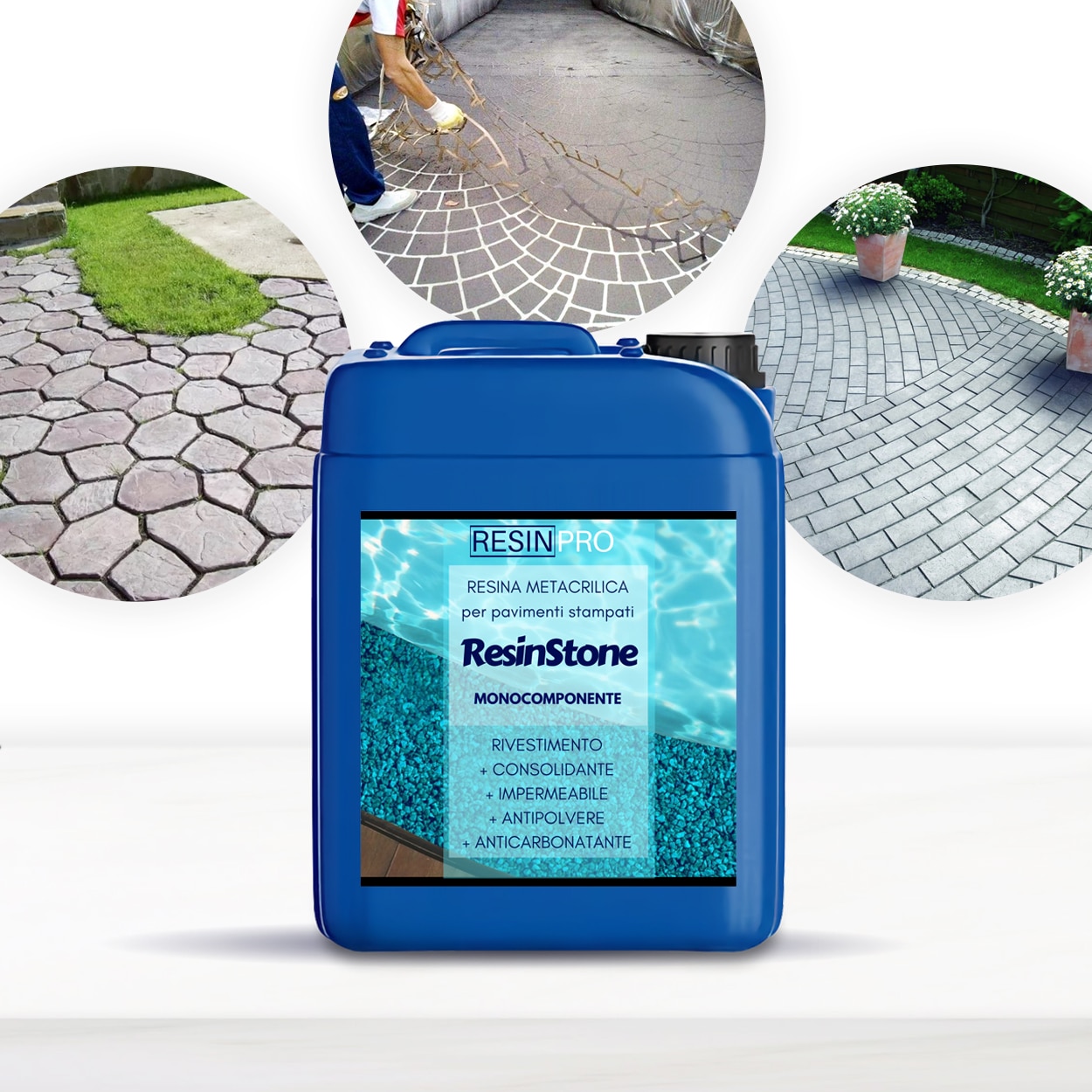
Methacrylic resin offers robust protection and an attractive finish for various surfaces, but it’s essential to know where it performs best for lasting results.
Best Surfaces for Methacrylic Resin Application
Methacrylic resin, such as Resinstone, is primarily designed for absorbent concrete surfaces. This includes concrete floors, stamped concrete, driveways, garages, outdoor paths, and yards. When applied correctly, it deeply penetrates the pores of the concrete, creating a durable and moisture-resistant seal that enhances mechanical strength and weather resistance.
Surfaces to Avoid
It’s important to note that methacrylic resin is not suitable for all base types. It should not be used on loose gravel, existing resin-bonded gravel, or other non-absorbent substrates where it cannot properly bond. For such surfaces or for gravel binding, dedicated stone binders or alternative sealing products are recommended.
Practical Application Tips
- Ensure the concrete is clean, dry, and absorbent before application for best performance.
- One-component methacrylic products typically require no mixing, simplifying installation.
- Allow for sufficient curing time (often less than 12 hours) before exposure to traffic or weather.
When This Matters
Selecting the proper surface for methacrylic resin is crucial if you’re seeking to improve the durability, water resistance, or chemical protection of your floors or outdoor spaces. Using it on recommended substrates ensures you get the maximum benefit without premature failure.
Related products
Related guides
Choosing the right surface is key to getting the most from methacrylic resin. For those interested in versatile flooring solutions, explore more options and insights on our parent page about what’s possible with resin in Resina.