 Free shipping on orders over £29,85
  Shipping Tracking!


 Google
 Facebook
← Back to What Does Resin-Coated Tarpaulin Mean?
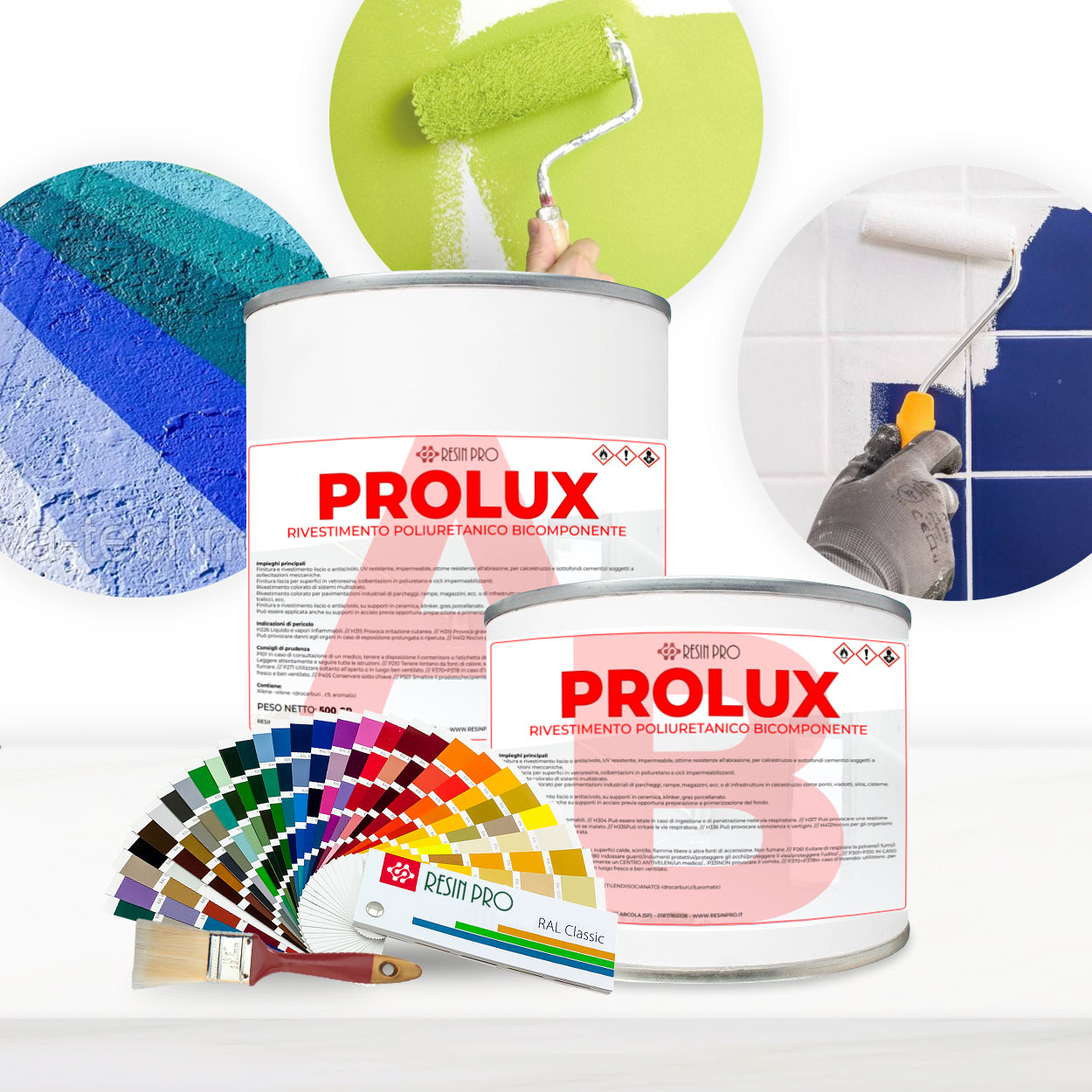
Properly preparing your surface before applying a polyurethane (PU) coating is crucial for ensuring strong adhesion and a flawless finish. Following the right steps can make all the difference in the lasting performance of your coating.
Initial Cleaning and Assessment
Begin by thoroughly cleaning the surface to be coated. Remove any dust, dirt, oils, grease or loose particles, as these contaminants can impact the bond between the coating and the substrate. For best results, use a mild detergent and water, then dry the area completely. Inspect for cracks, old flaking paint or wear; these should be repaired or removed before proceeding.
Preparing for Maximum Adhesion
The surface must be completely dry and free of moisture prior to PU application. If working on glossy tiles or metal, lightly abrading the surface with fine sandpaper will help the coating grip better. For porous substrates such as concrete, ensure all debris is cleared away, and consider using a primer if recommended by your chosen product, such as Prolux PU coating.
Practical Tips for Application
- Always follow the manufacturer’s preparation and mixing instructions for two-component PU systems.
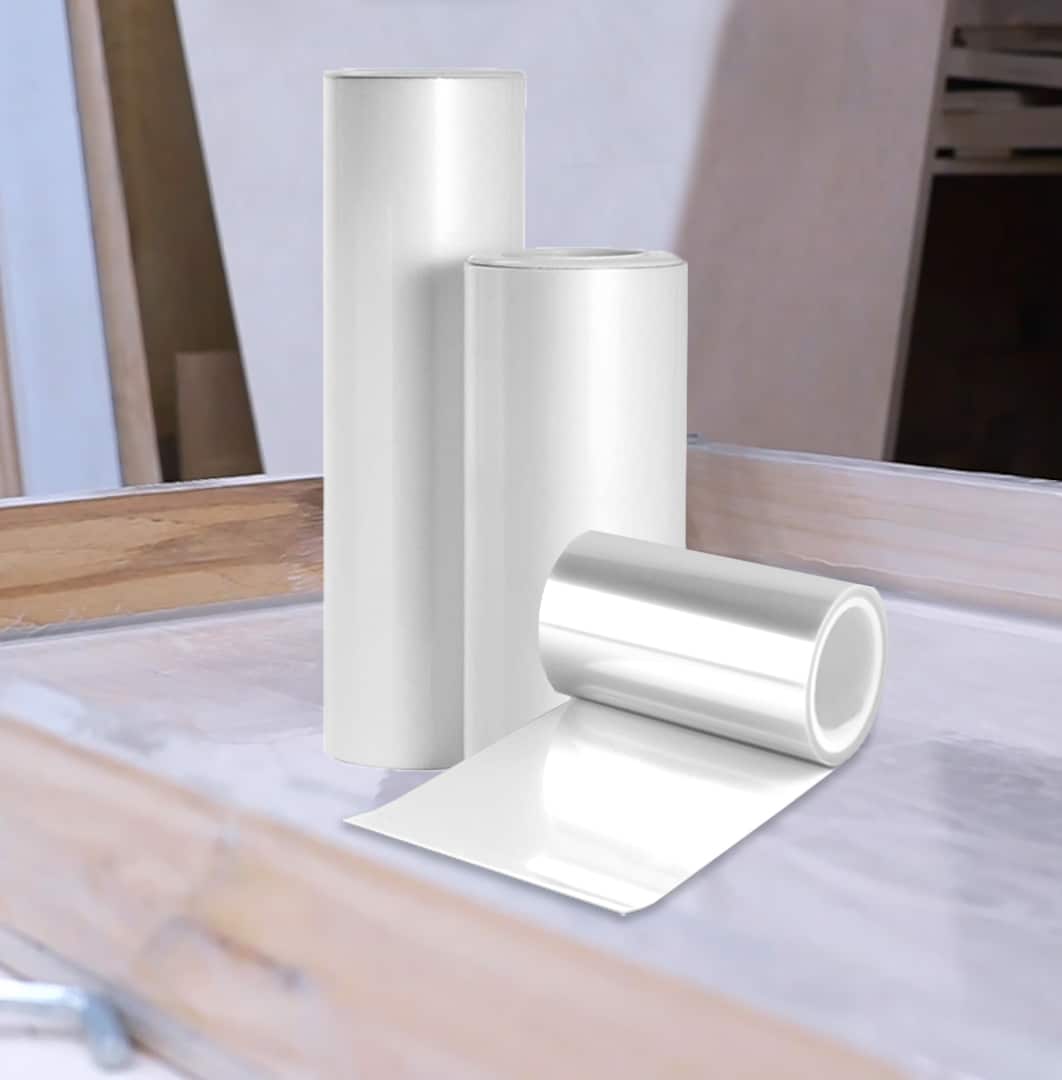
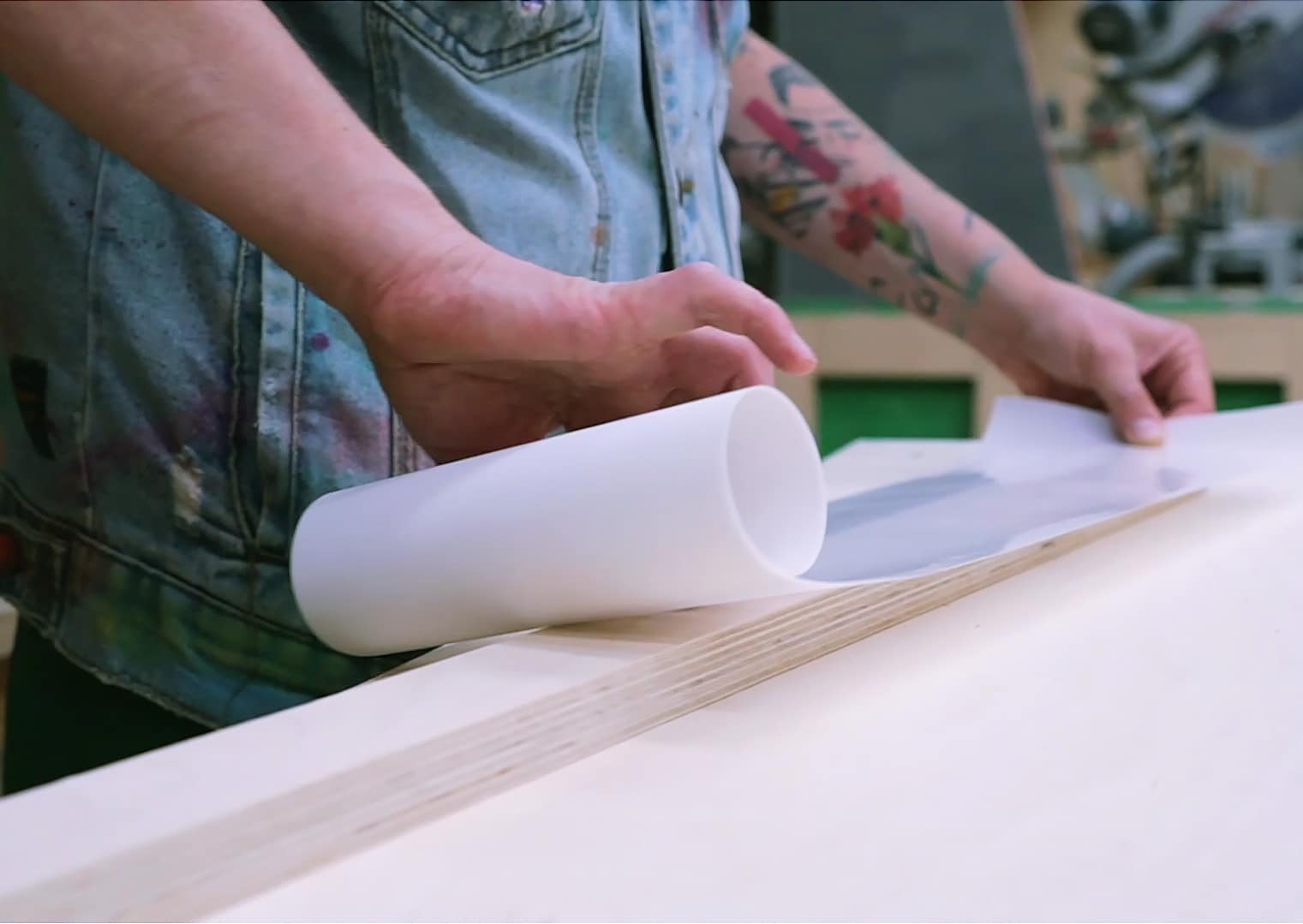
- Mask surrounding areas or use surface protectors like the Protective Sheet Film to avoid spills.
- Work in a well-ventilated space and ensure the temperature is within product guidelines for curing.
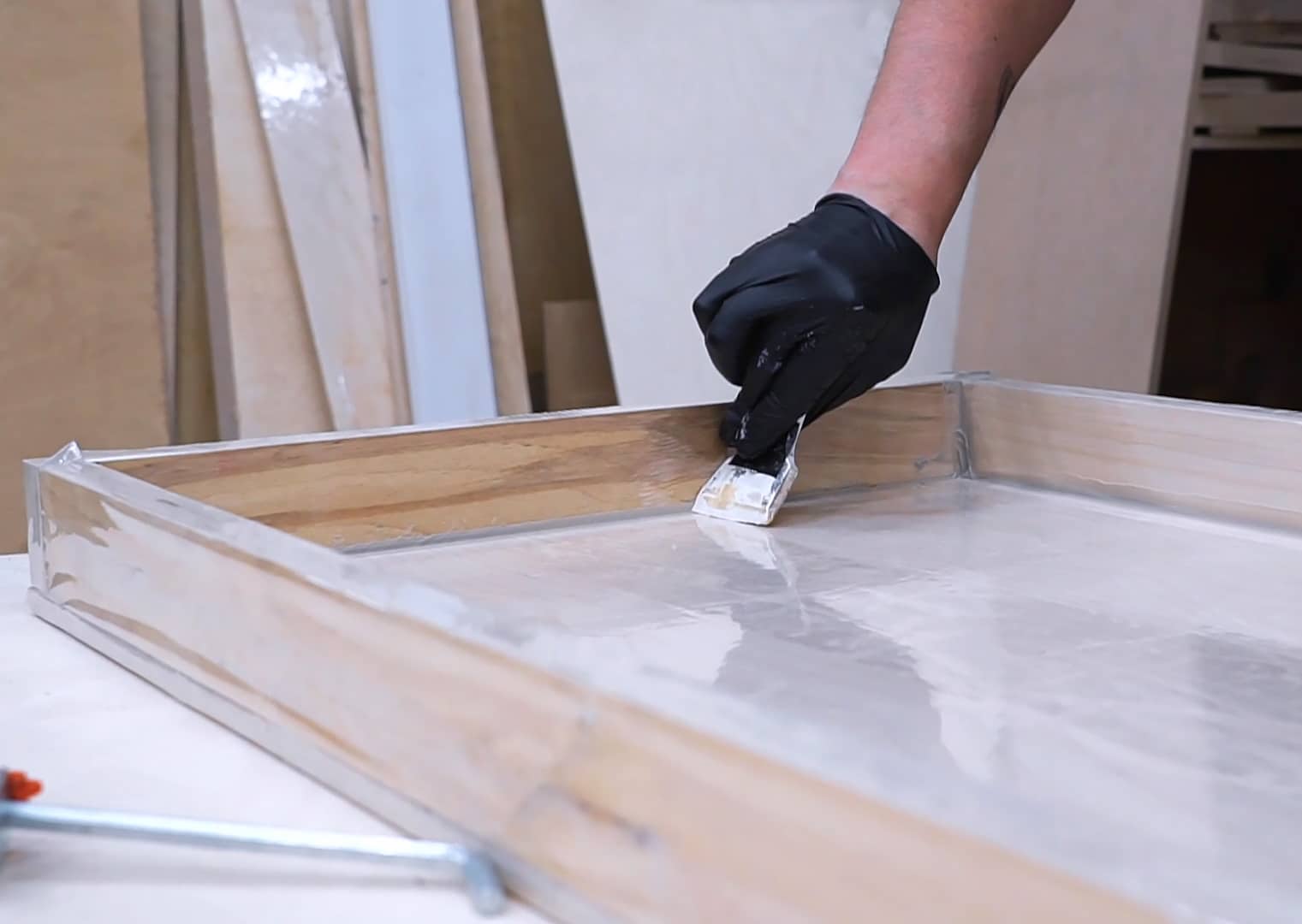
When Meticulous Preparation Matters Most
Thorough surface prep is especially important for high-traffic zones, outdoor environments or where ultimate durability is required. In these conditions, skipping steps can result in peeling, wear or a reduced lifespan of your PU coating.
Related products
Related guides
Taking the time to prepare your surface correctly ensures your PU coating delivers reliable, long-lasting protection. For more on coatings and surface treatments, explore our FAQ on what resin-coated tarpaulin means and related applications.