 Free shipping on orders over £29,85
  Shipping Tracking!


 Google
 Facebook
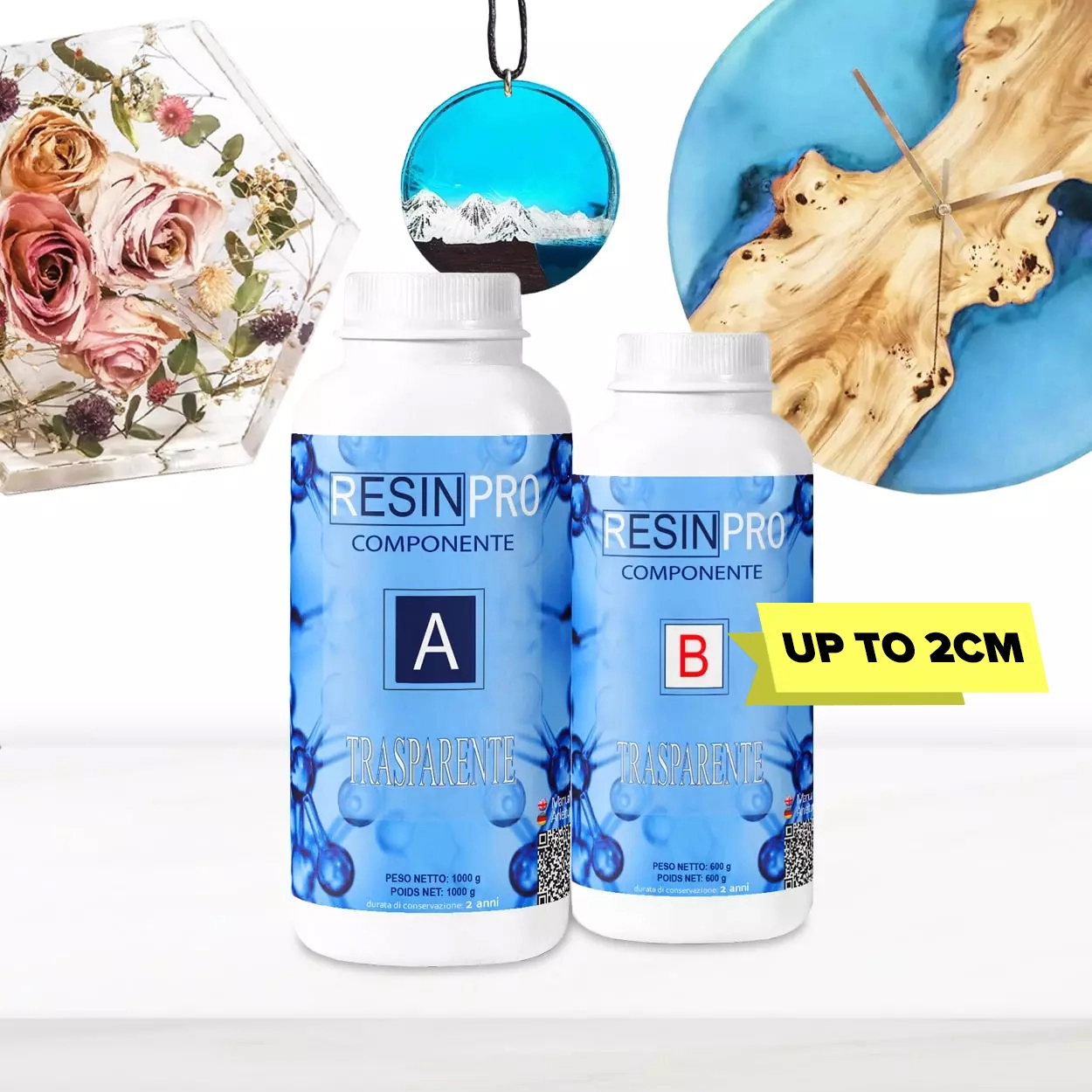
When working with thick or large-volume resin castings, controlling heat build-up is crucial to avoid defects or unwanted reactions. Using the right epoxy resin can make all the difference for deep pours and river tables.
Why Overheating Happens During Large Pours
Epoxy resins cure by a chemical reaction which produces heat—called an exothermic reaction. In deep or large pours, this heat can build rapidly, leading to issues like cracking, yellowing, or even smoking. Standard resins are not generally formulated to cope with thick layers, increasing the risk of overheating.

Which Epoxy Formula Should You Use?
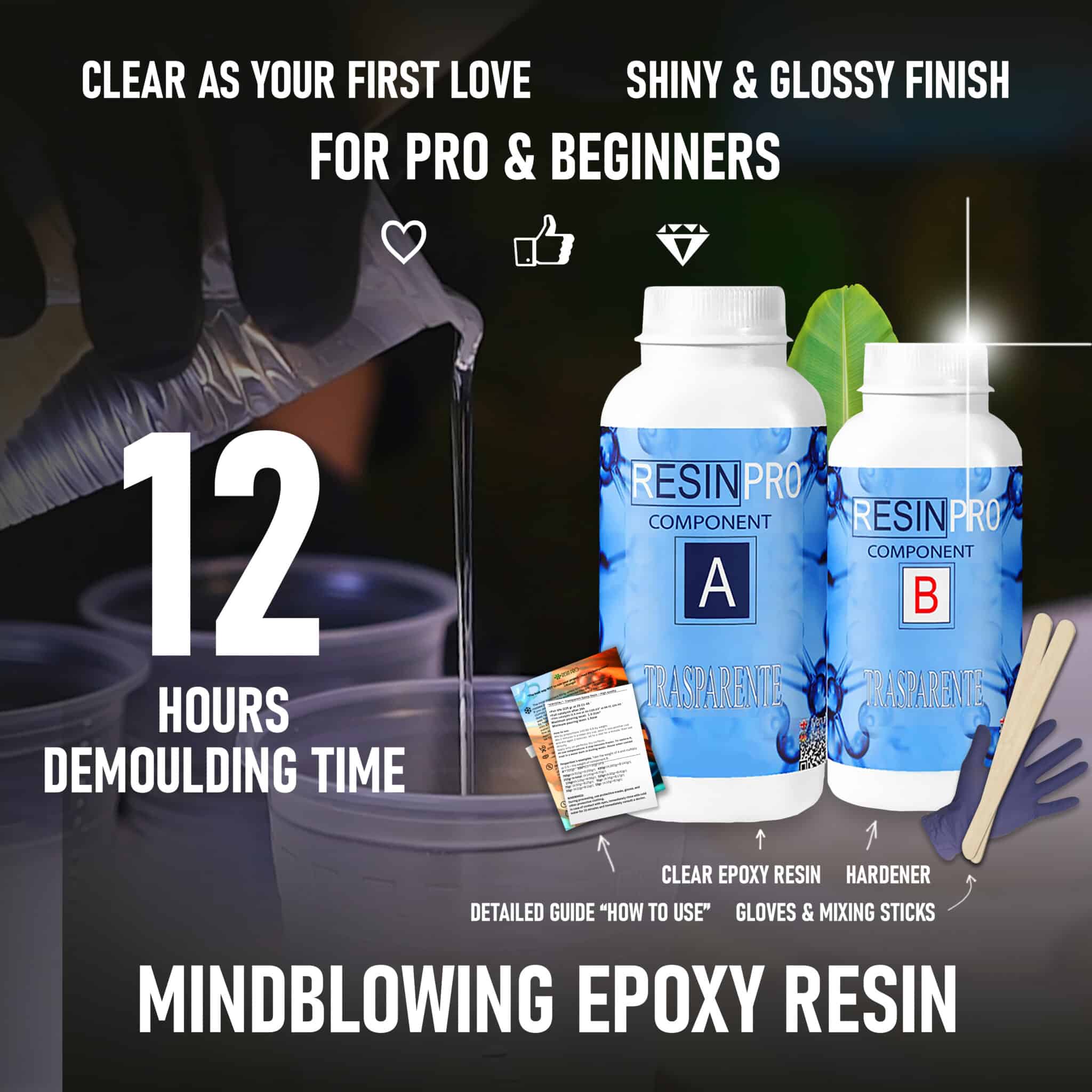
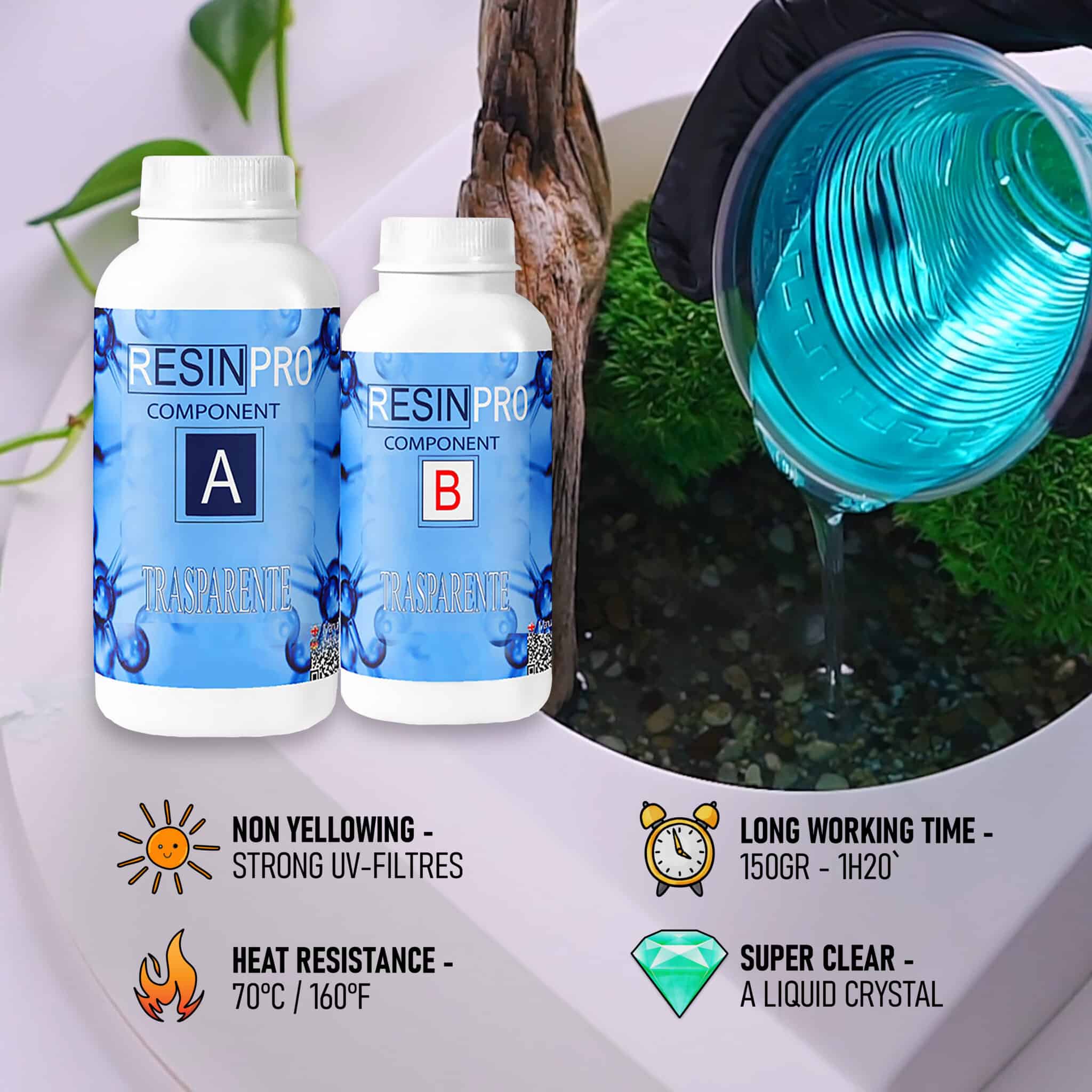
For safe, thick castings—such as river tables or blocks over 5cm deep—specialised deep pour epoxy resins are best. “Epoxytable 10-Ten” is specifically formulated for pours up to 10cm, with a low exothermic reaction to reduce overheating. For smaller casts or applications up to 2cm, a versatile resin like “Trasparente” will suffice, provided you work within the recommended thickness limits.
Practical Tips for Successful Large Casts
- Always follow the manufacturer’s guidance on maximum pour thickness in one go.
- If your project is extra large or deep, pour in sections or stages, letting each layer cool.
- Work in a space with moderate temperature, and avoid using heat guns excessively during curing.
- Choose your epoxy specifically for deep pours to minimise the risks associated with heat build-up.
When This Matters Most
The risk of overheating is especially important for river tables, countertops, and art pieces requiring layers above 2cm. Deep pour resins help manage these demands by curing slowly and evenly.
Related products
Related guides
Selecting an epoxy resin formulated to prevent overheating—for example, “Epoxytable 10-Ten” for deep projects—ensures safer, clearer outcomes. For more advice on buying resin that fits your project needs, visit our main guide on where to buy resin.