 Free shipping on orders over £29,85
  Shipping Tracking!


 Google
 Facebook
← Back to Where to buy phenolic resin?
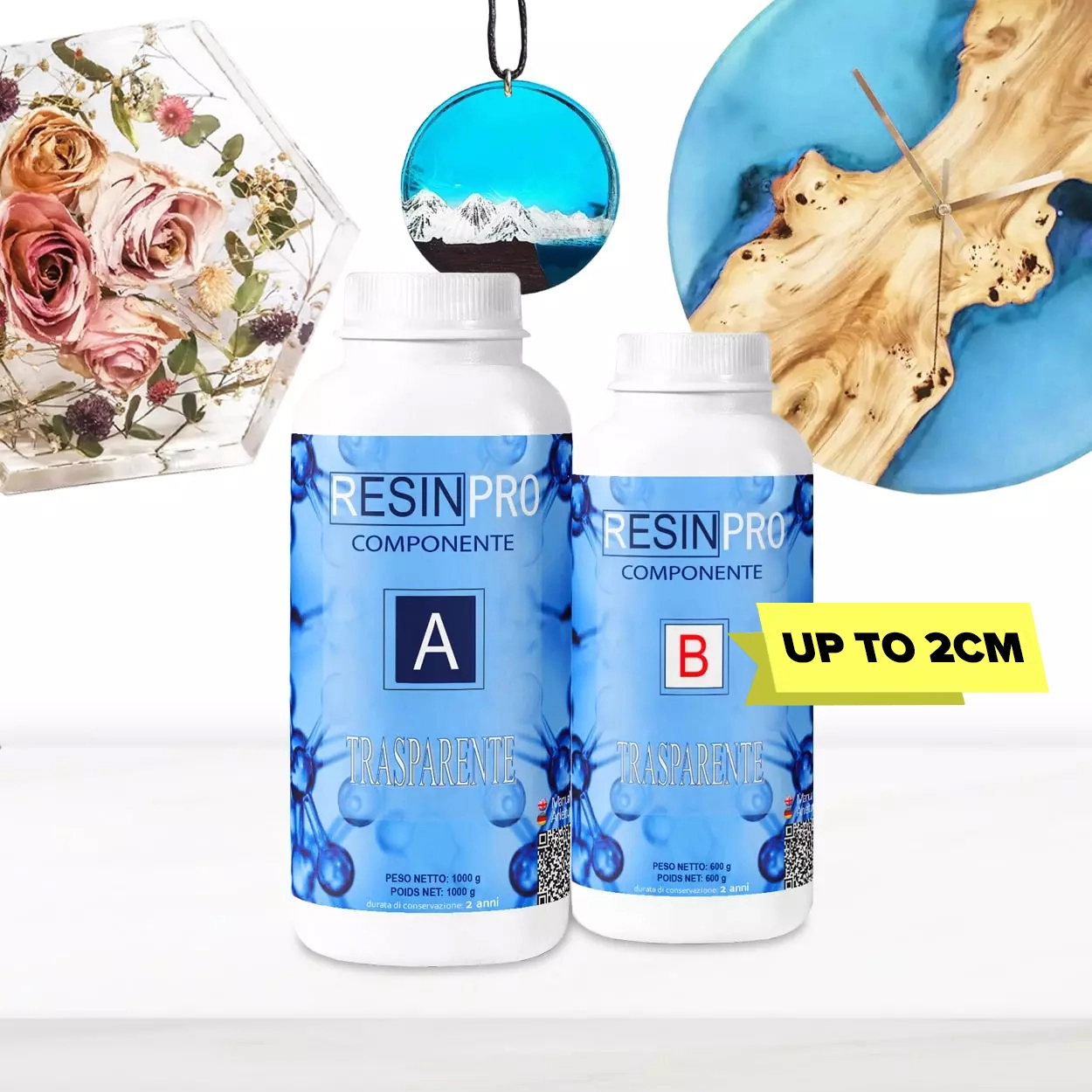
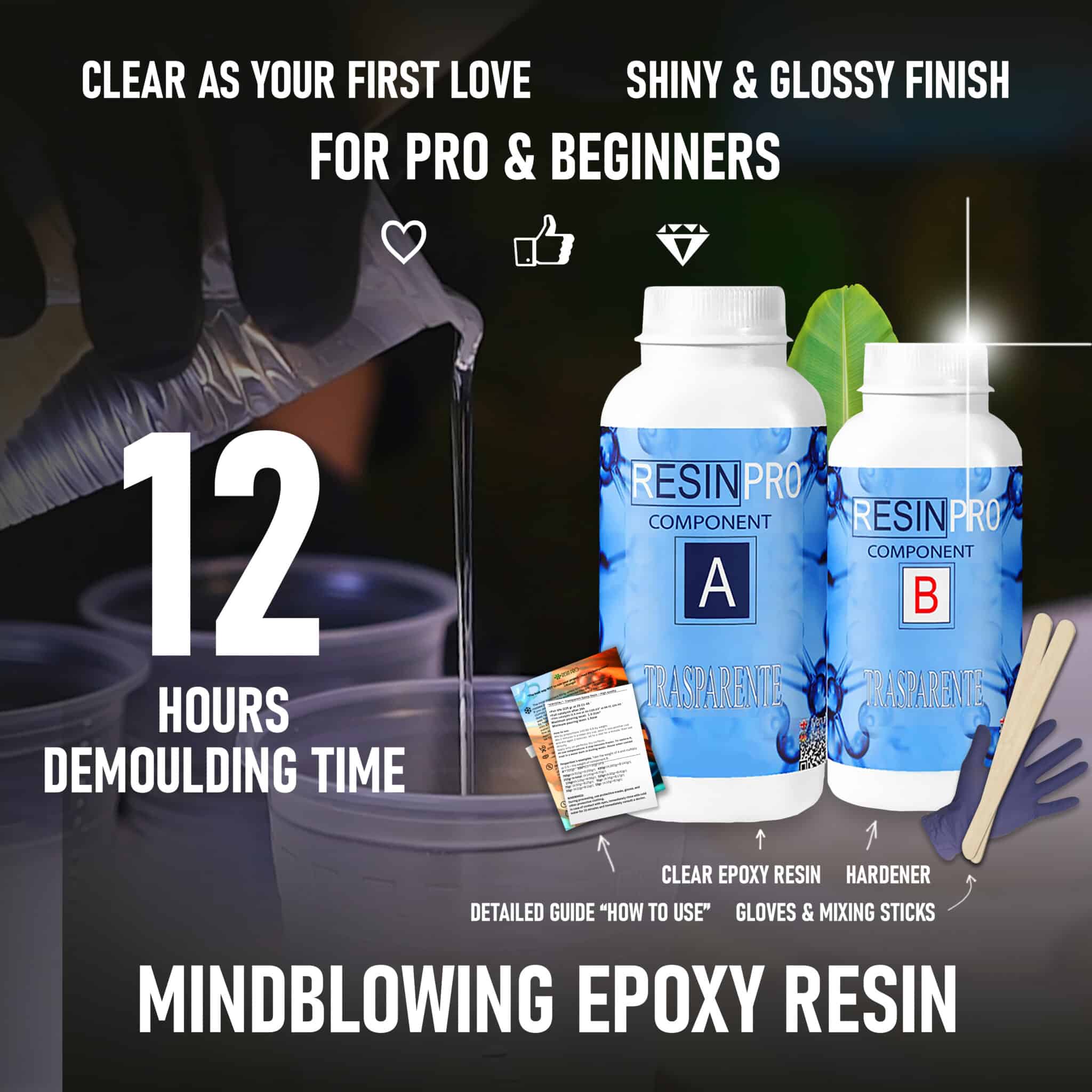
If you’re searching for phenolic resin for crafts or woodworking, you might be wondering whether modern epoxy or polyurethane resins can serve as suitable alternatives. Let’s explore when these versatile options can effectively replace phenolic resin in your projects.
Comparing Resin Types: Key Differences
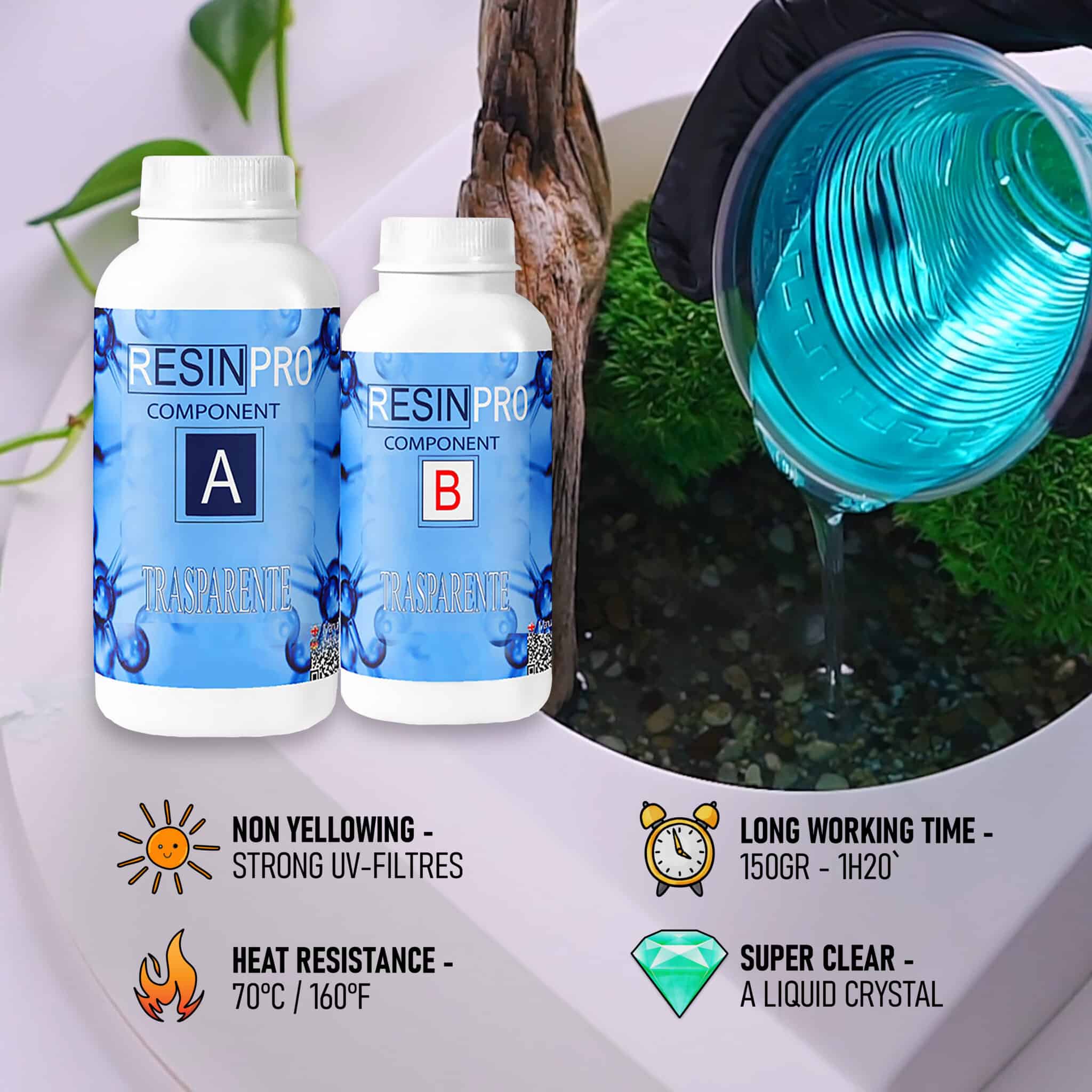
Phenolic resin has long been valued for its strength and heat resistance, but epoxies and polyurethanes are now preferred for many creative, casting, and woodworking uses in the UK. Epoxy resins—such as the ultra-clear “Trasparente”—offer crystal clarity and a self-levelling finish, making them ideal for casting, table making, and decorative projects. Polyurethane resins, meanwhile, set quickly and capture fine details, benefitting model makers and rapid prototyping.

Choosing the Best Alternative for Your Project
For most decorative and practical purposes, high-quality epoxies suffice where phenolic resin was once standard. Epoxies like “Trasparente” and “Icrystal” provide robust, scratch-resistant finishes and are easy to use for both beginners and experienced users. If speed and capacity for intricate detail are priorities, a fast-curing polyurethane resin such as “IWhite” fits the brief. Evaluate layer thickness requirements—epoxy is excellent for up to 2cm layers, while polyurethane excels at quick, shallow moulding jobs.
When This Matters: Suitable Uses for Resin Replacement
- Woodworking and casting: Epoxy resins achieve a professional, glossy look on surfaces and projects.
- Art and jewellery: Both epoxy and polyurethane resins allow for detailed, creative outcomes.
- Prototyping: Polyurethane resins offer rapid turnaround and sharp replication of forms.
Related products
Related guides
While phenolic resin has unique properties, epoxy and polyurethane resins cover most creative and construction needs in modern applications. For more tips on resin sourcing and choosing the right formula, see our guide on where to buy phenolic resin.