 Free shipping on orders over £29,85
  Shipping Tracking!


 Google
 Facebook
← Back to Where to buy Fil Cristal resin?
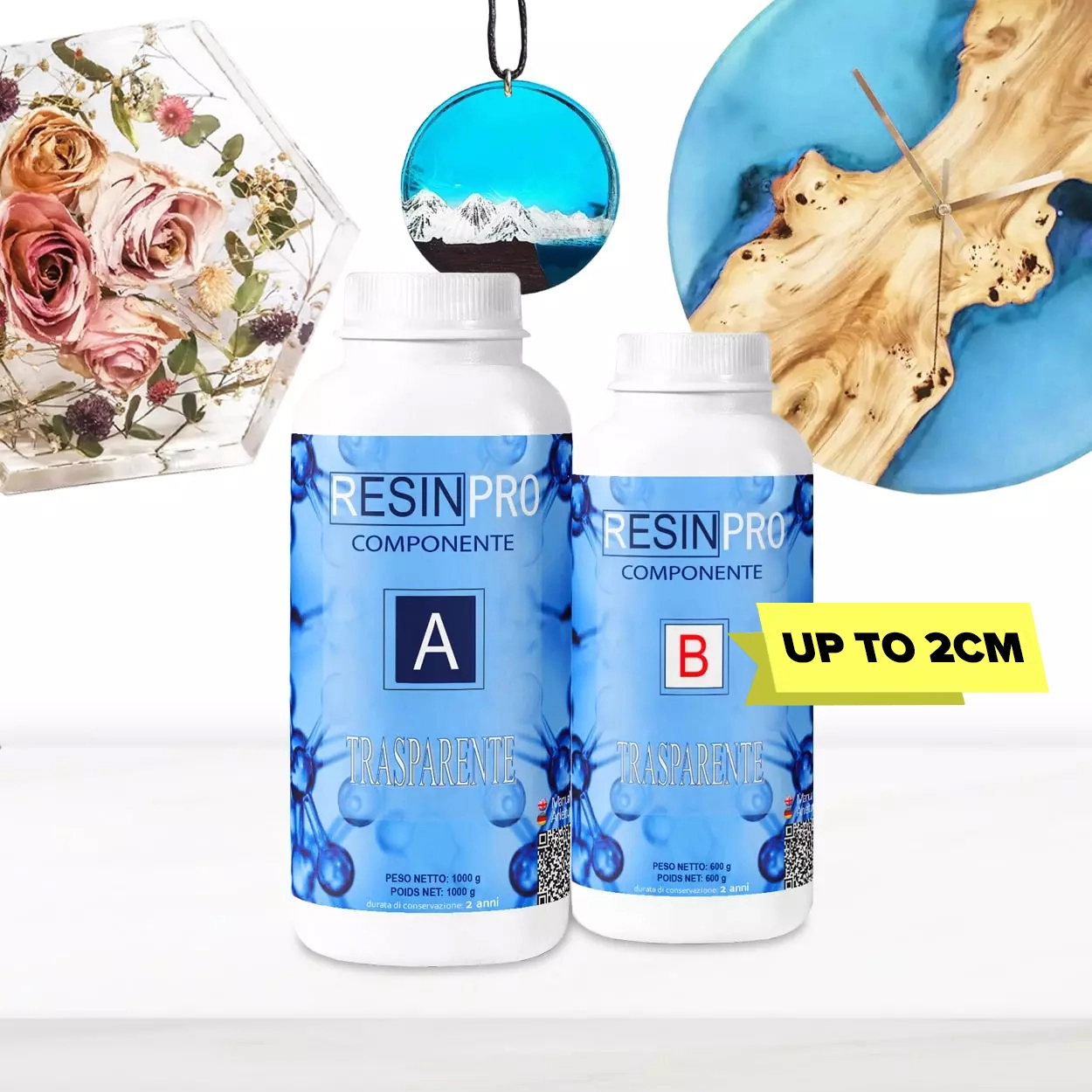
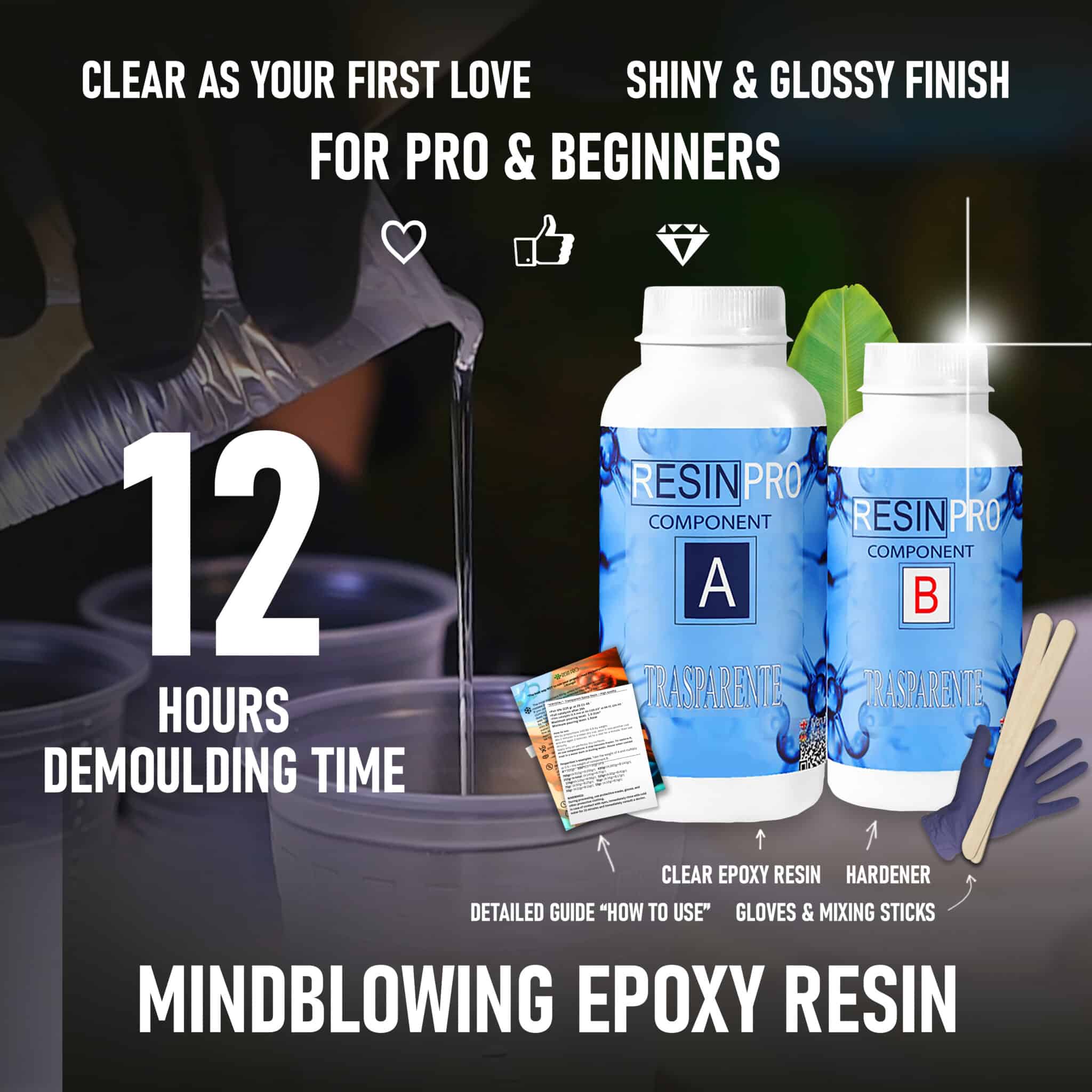
Whether you’re creating a table, countertop, or piece of jewellery, scratch resistance is a top priority for many resin users. Choosing the right epoxy resin and following best practices can help you maintain a beautiful, resilient finish.
What Makes Resin Scratch Resistant?
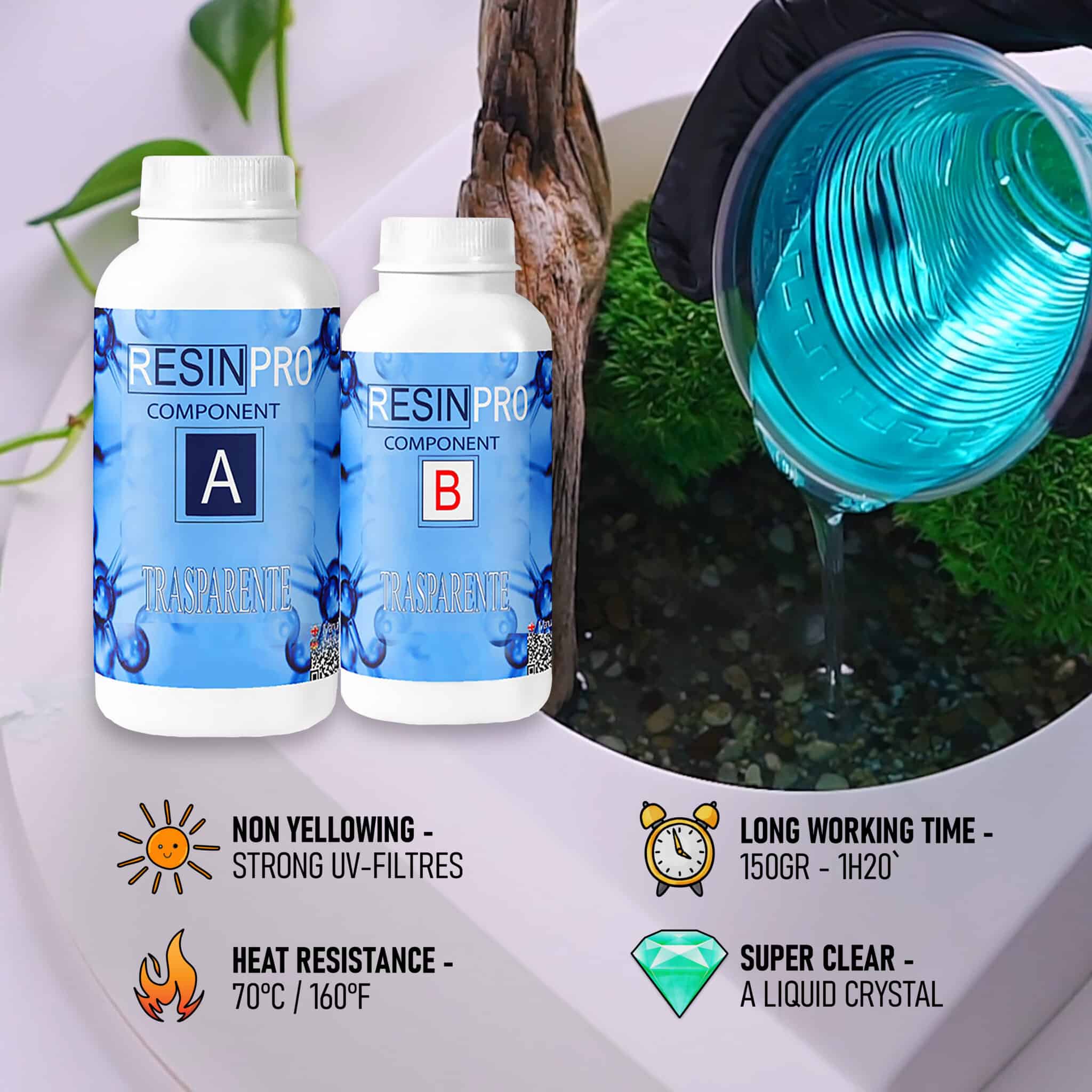
Scratch resistance in epoxy resins depends both on the chemical formulation and correct curing technique. Products like “Trasparente” clear epoxy resin are engineered to deliver a durable, glassy surface capable of handling everyday wear on tables, floors, and decorative objects. Some formulations, such as “Icrystal”, are specifically made for furniture coatings, offering a resilient, transparent finish ideal for frequent use.

Best Practices for Long-Lasting Surfaces
- Application: Ensure the surface is clean and free from dust before pouring resin. Apply in a controlled environment to avoid contaminating the finish.
- Curing: Allow the resin to fully cure according to the manufacturer’s instructions. Most high-quality formulations, such as “Art Pro”, achieve optimal scratch resistance once completely hardened.
- Layer Thickness: Stick to the recommended maximum thickness (typically up to 2cm per pour for “Trasparente” and 1.5cm for “Icrystal”) to ensure strength and clarity.
When High Scratch Resistance Matters
High scratch resistance is especially important for projects exposed to regular contact, such as dining tables, worktops, coasters, or commercial surfaces. If your piece will experience frequent use or cleaning, prioritising a resin with proven scratch resistance ensures your work remains pristine for longer.
Related products
Related guides
Choosing an epoxy resin with robust scratch resistance elevates the durability and appearance of your projects. For more guidance on selecting and purchasing the right resin for your needs, visit our main guide on where to buy Fil Cristal resin.