 Free shipping on orders over £29,85
  Shipping Tracking!


 Google
 Facebook
← Back to Where to buy resin and wood lamps?

Getting the thickness right when pouring resin is essential for making beautiful and durable wood and resin lamps. This guide explains how thick you can safely cast resin in one application and why it matters for your project’s quality and finish.
Recommended Pour Thicknesses for Resin Lamps
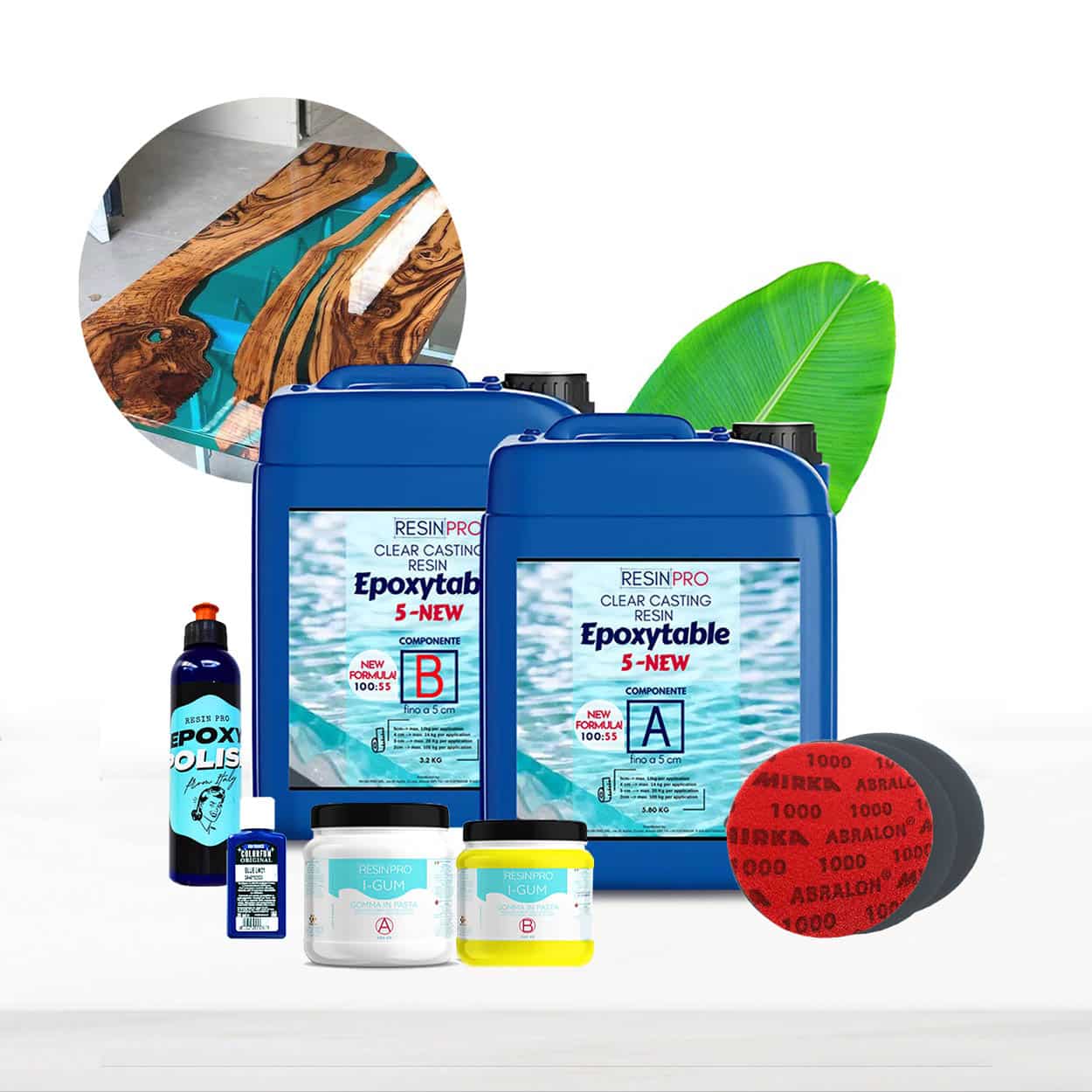
The maximum thickness for each resin layer depends on the specific product you are using. For example, “Icrystal” epoxy resin is designed for layers up to 1.5cm per pour, making it well suited to clear lamp surfaces or accent layers. For deeper pours, such as in river lamp bases, the “River-Table” kit can handle applications between 2cm and 5cm thick in a single pour, depending on the variant used. Always refer to the product specifications, as exceeding these limits can lead to excessive heat generation, cracking, or incomplete curing.


Tips for Successful Deep Resin Casting
- Layering is safer: Pour resin in successive layers if the design exceeds the maximum thickness for your product. Allow each layer to cure fully before adding the next.
- Work in a controlled environment: Keep the workspace within the recommended temperature range and minimise dust or debris while pouring.
- Use suitable moulds: Moulds should be sturdy enough to withstand the resin’s exothermic reaction, especially with thicker pours.
When This Matters Most
Thickness guidelines are especially important when transparency, light diffusion, or structural strength are critical—such as in decorative lamp bodies or large wood and resin bases. Following thickness limits ensures your project sets properly, looks clean, and remains durable over time.

Related products
Related guides
By understanding and respecting the thickness limits of your resin, you’ll achieve the best results when crafting wood and resin lamps. For more tips and project inspiration, explore our full guide on where to buy resin and wood lamps.