 Free shipping on orders over £29,85
  Shipping Tracking!


 Google
 Facebook
← Back to Where to Buy Affordable Epoxy Resin
Overheating is one of the most common pitfalls encountered when working with epoxy resin. Understanding what drives excess heat during curing is key to avoiding failed pours, surface deformities, or even safety issues in your projects.
Main Factors Behind Epoxy Resin Overheating
Epoxy resin generates heat as it cures. If this heat cannot dissipate adequately, temperatures can quickly rise. The most frequent causes of overheating are:
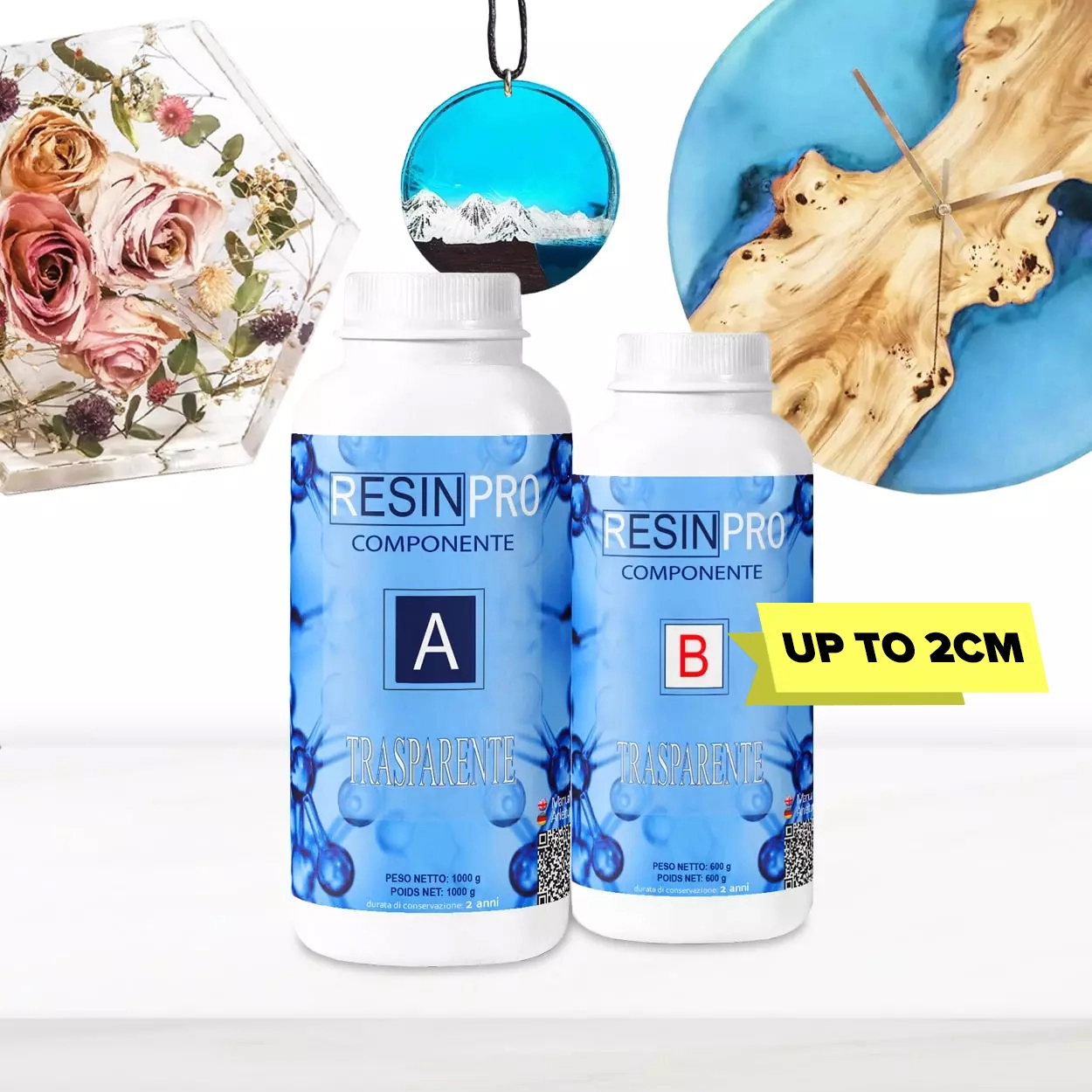
- Pouring too thick: Exceeding the recommended layer depth (such as pouring “Trasparente” thicker than 2cm at once) traps heat.
- Warm environment: High ambient temperatures accelerate curing and can compound the heat build-up.
- External heat sources: Using heat guns or hot water baths to speed up curing adds extra energy, further raising the temperature.

Best Practices to Prevent Overheating
Careful planning will help you avoid issues. Always refer to the manufacturer’s guidance on maximum pour thickness for your chosen product: for example, “Trasparente” should not exceed 2cm per pour. If your project requires greater thickness, pour in several thin layers rather than one deep one. Additionally, try to work in a room within the recommended temperature range, and avoid adding extra heat unless necessary.
When Controlling Heat Matters Most
Heat management is crucial for any casting or coating project where clarity, surface finish, and structural integrity matter—such as making river tables, jewellery, or embedding keepsakes. Following the right process helps ensure a flawless finish free from bubbles or warp.

Related products
Related guides
Epoxy resin projects are most successful when you understand and control the curing process. For anyone seeking affordable, high-quality options and best results, explore the guidance and products featured on our main page about where to buy affordable epoxy resin.