 Free shipping on orders over £29,85
  Shipping Tracking!


 Google
 Facebook
← Back to Where does epoxy resin not adhere?
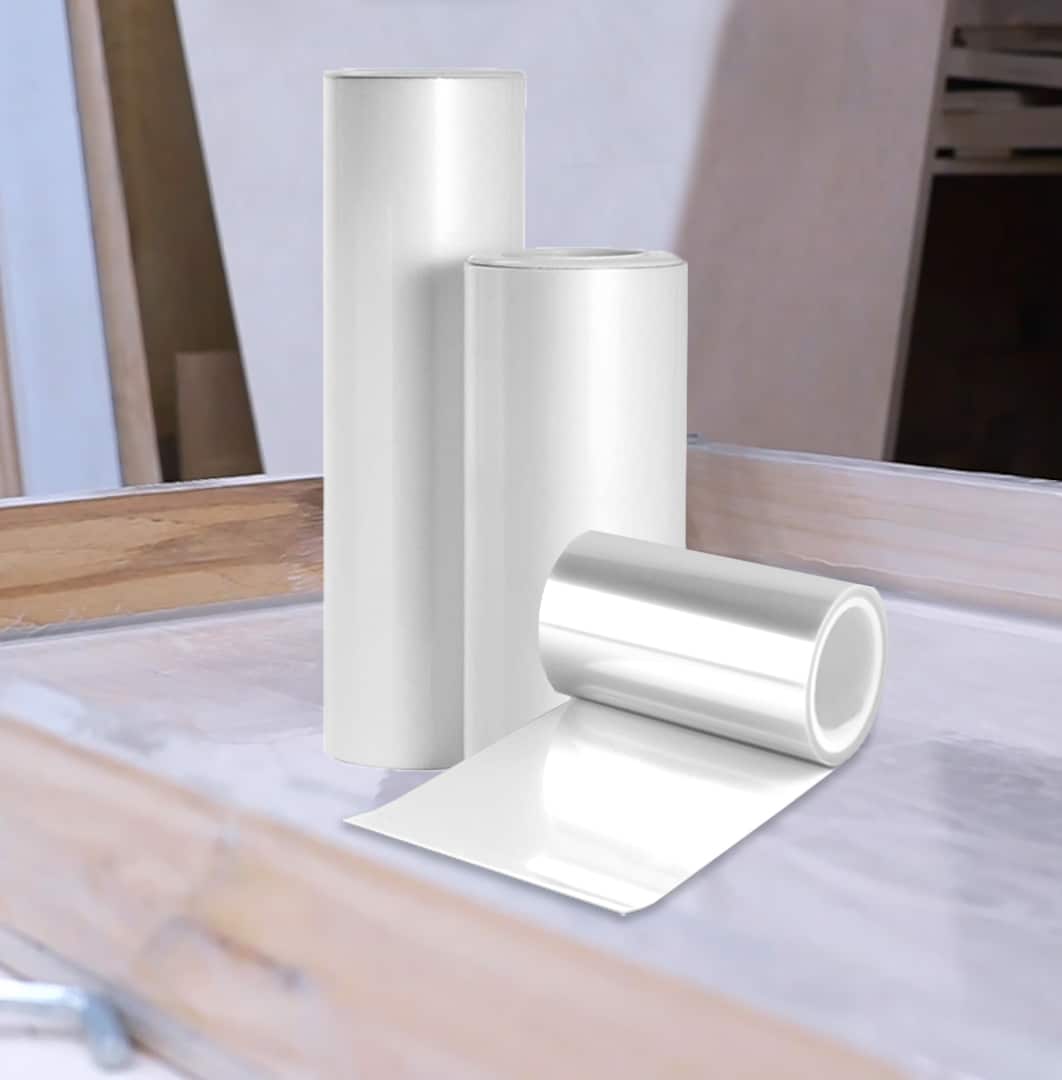
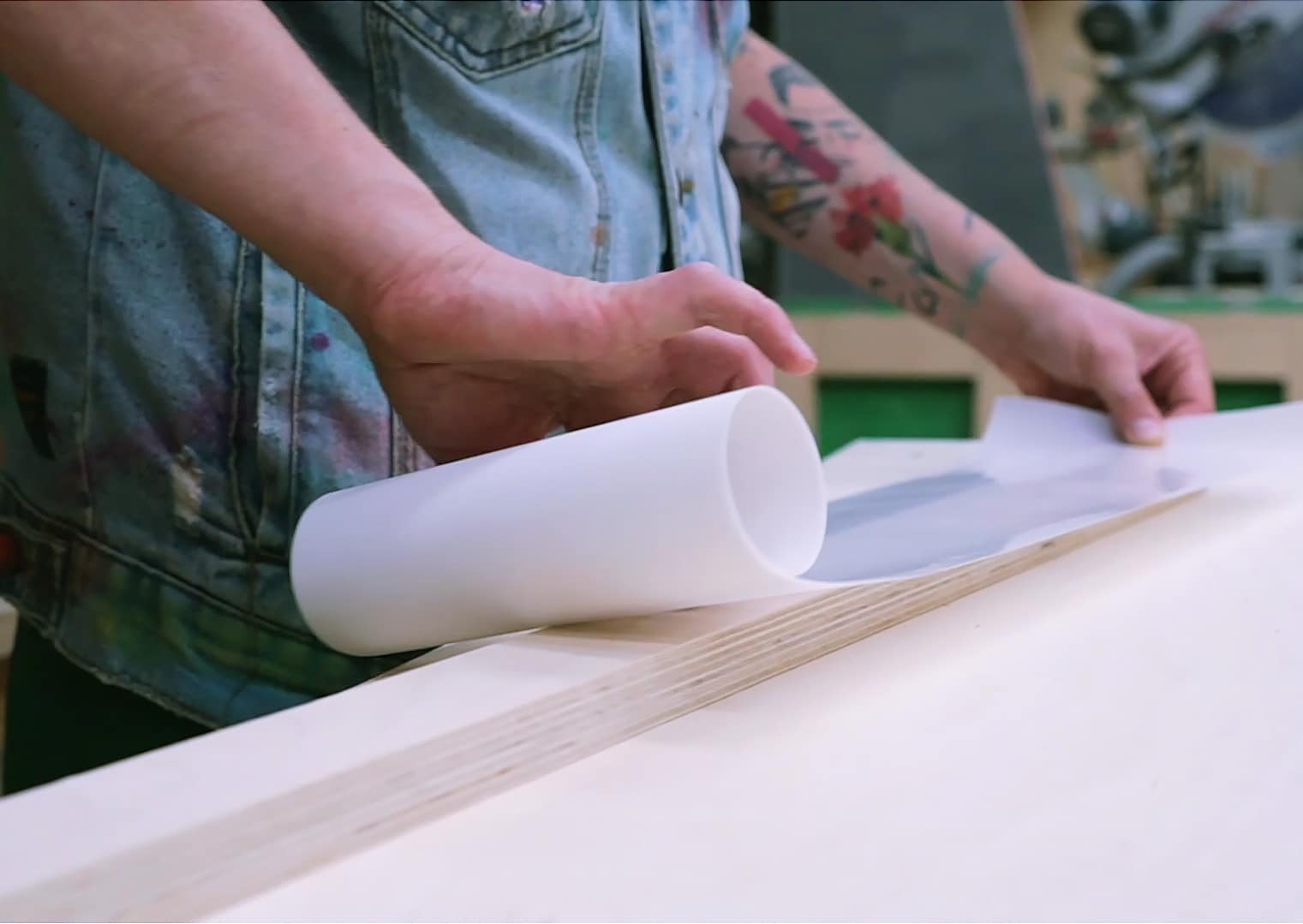
Choosing the right plastic for epoxy resin moulds can make the difference between a flawless release and a stubborn mess. Not all plastics behave the same when in contact with resin—understanding which types actually work can save you time and effort.
What Plastics Work for Epoxy Resin Moulds?
Epoxy resin generally does not stick well to plastics with a glossy or highly polished surface. Plastics like high-gloss polyethylene or polypropylene are commonly used for mould making, as their slick finish allows cured resin to release more easily. Avoid plastics with a rough, matte, or porous finish, as these may create a strong bond with the resin, making demoulding difficult.
Why Glossy Surfaces Matter
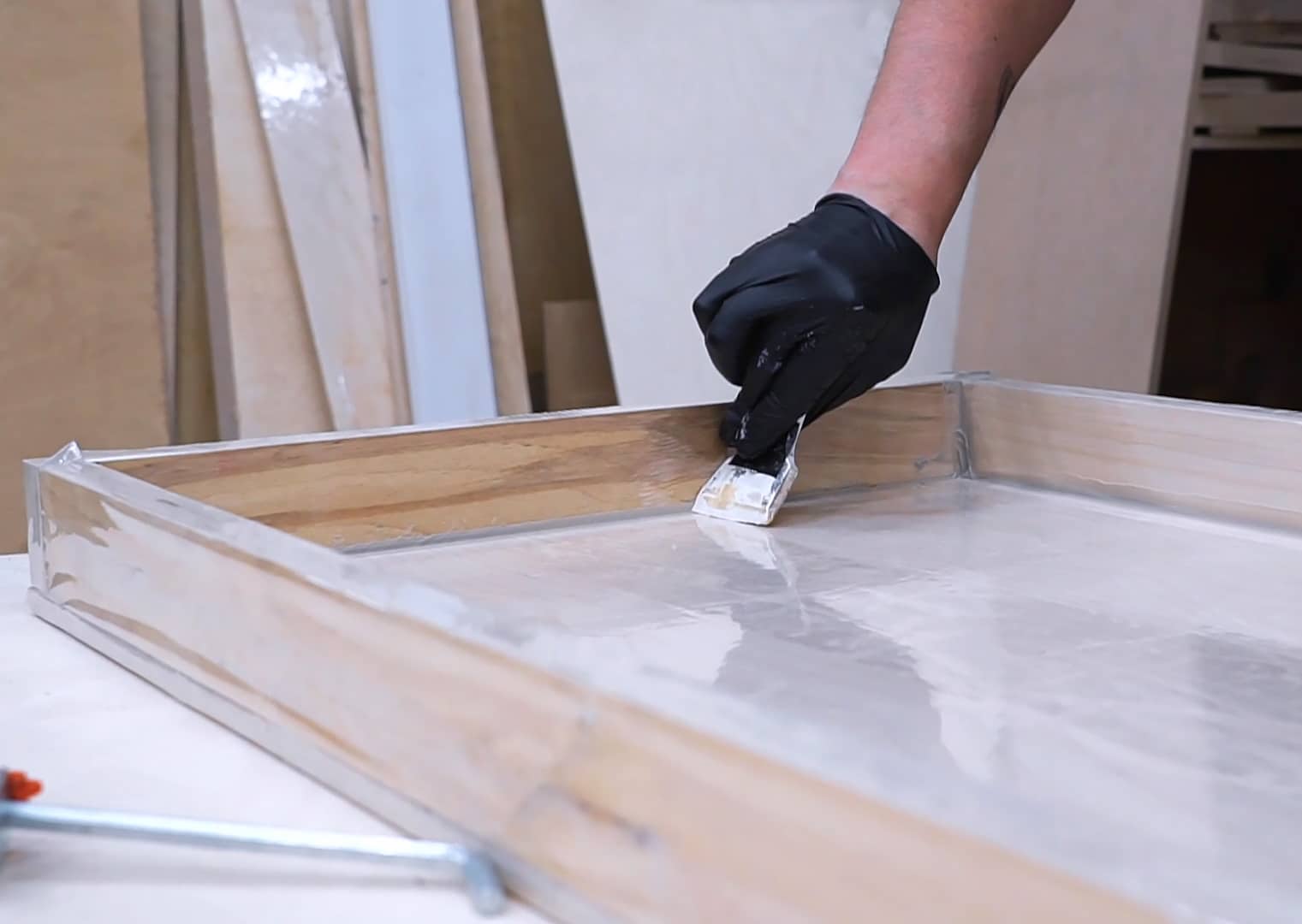
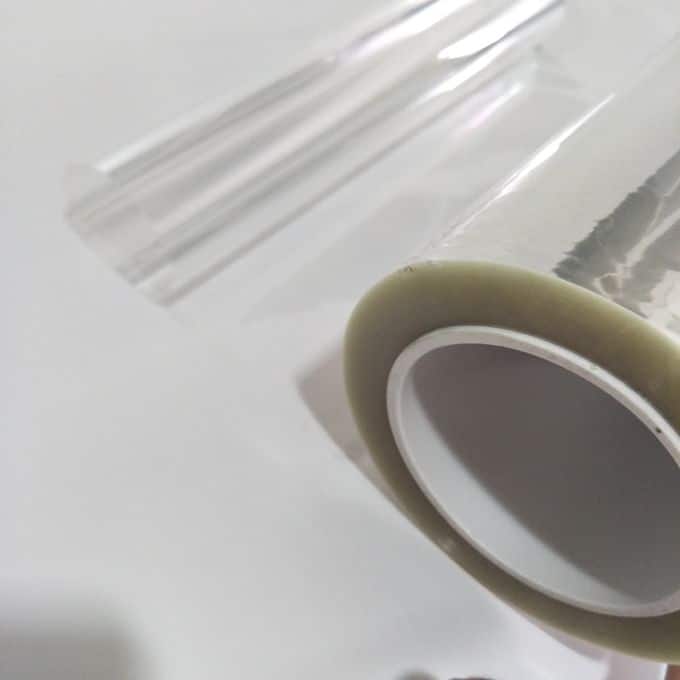
The smoother and shinier the plastic surface, the less likely it is that epoxy resin will adhere. Glossy-coated plastics act as a barrier, minimising surface grip, which is essential for projects where you want the resin to release cleanly. If your mould lacks this finish, you might face sticking or residue left on your cast piece.
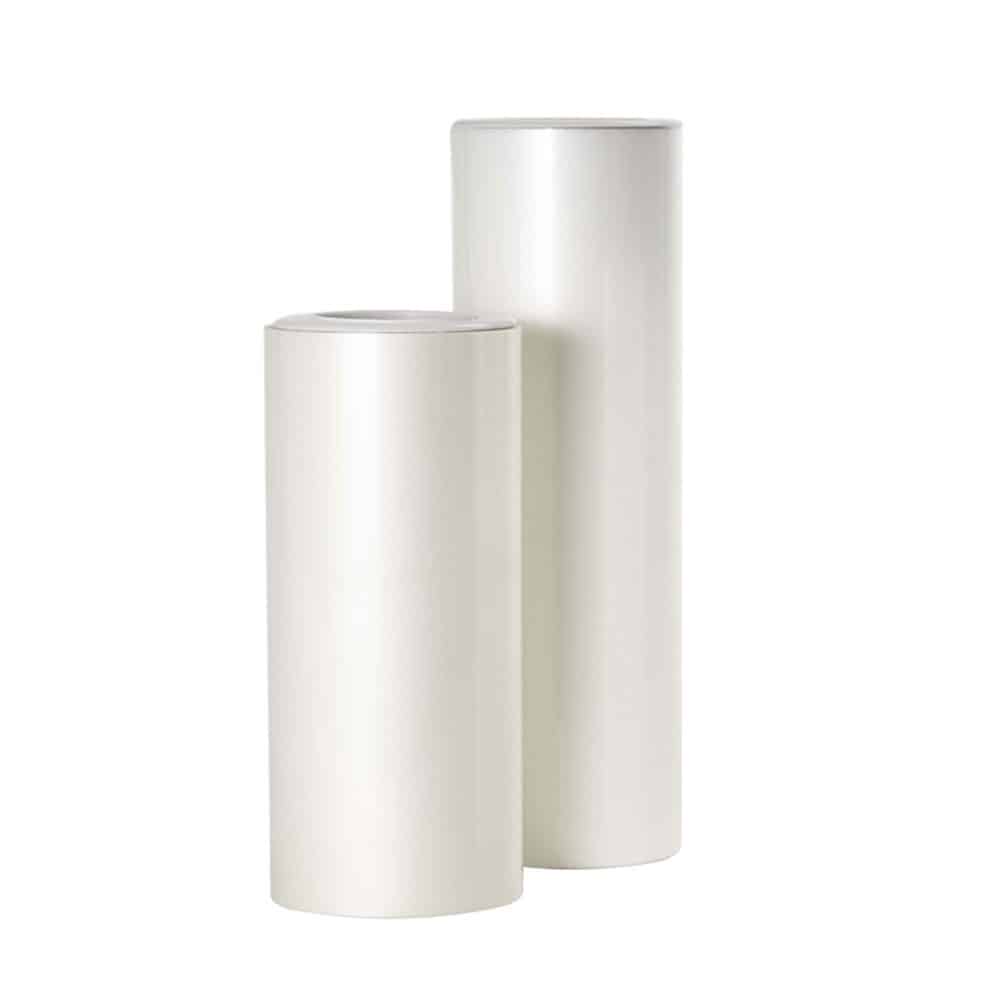
For hassle-free releases, many makers line moulds with a dedicated product, such as the “Shiny Shield” Glossy Release Film. This self-adhesive film delivers a professional flat and high-gloss effect, ideal for both new and seasoned resin crafters.
Practical Tips for Resin Mould Preparation
- Test first: Always try a small sample pour to check how well your plastic releases cured resin.
- Use a release film: For consistent results, apply a glossy release film to your mould surface, especially if you are unsure of the plastic type.
- Keep moulds clean: Residue or fingerprints can create micro-bonds where resin sticks, even on generally non-stick plastics.
When It Matters
Using the right plastic or a purpose-made glossy film is crucial for larger pours, detailed designs, or high-gloss finishes that require seamless demoulding and minimal finishing work.
Related products
Related guides
Selecting the appropriate plastic—or adding a glossy release film—ensures a smooth workflow and protects your resin projects. For broader advice on resin adhesion, see our main guide on where epoxy resin does not adhere.