 Free shipping on orders over £29,85
  Shipping Tracking!


 Google
 Facebook
← Back to Where can I find liquid resin?
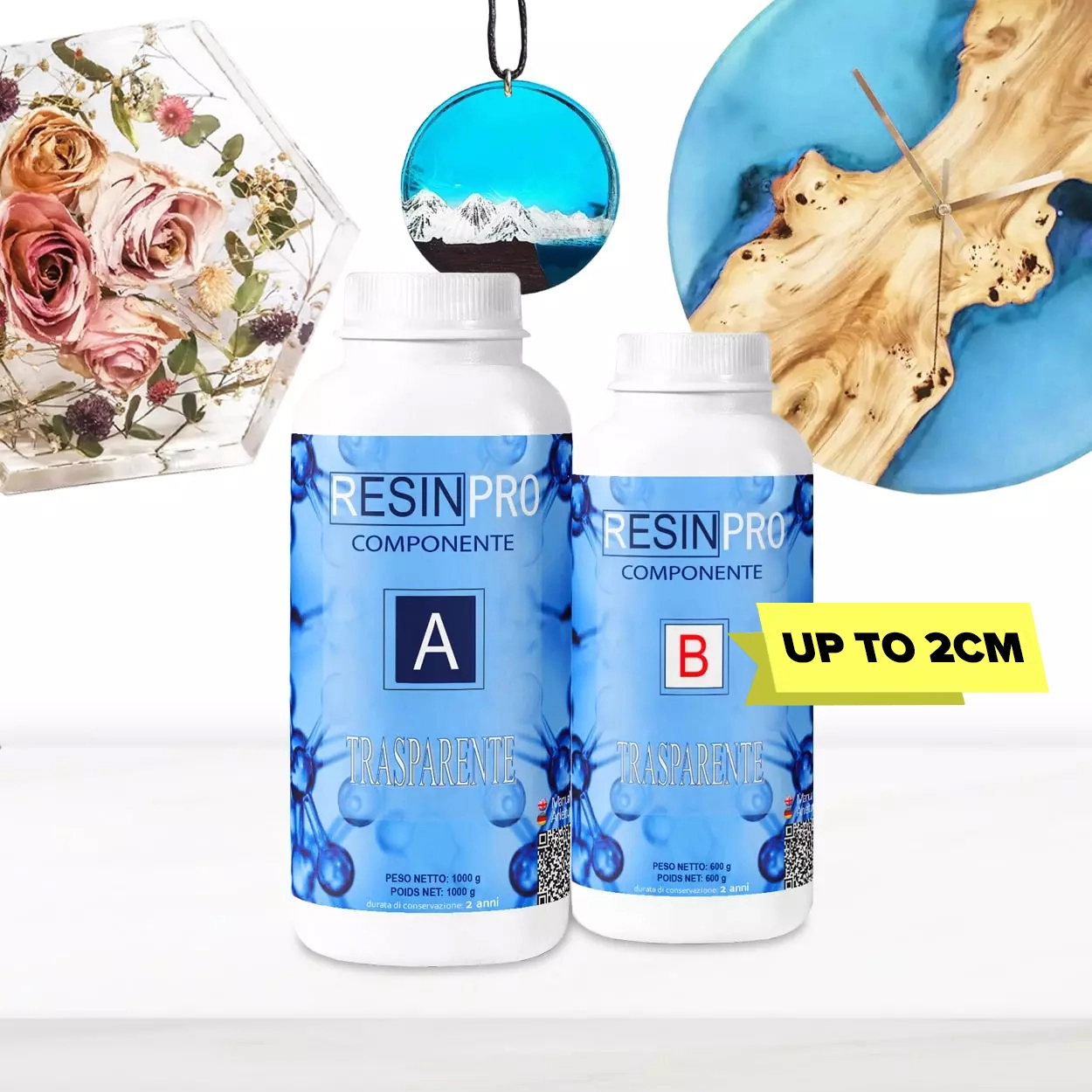
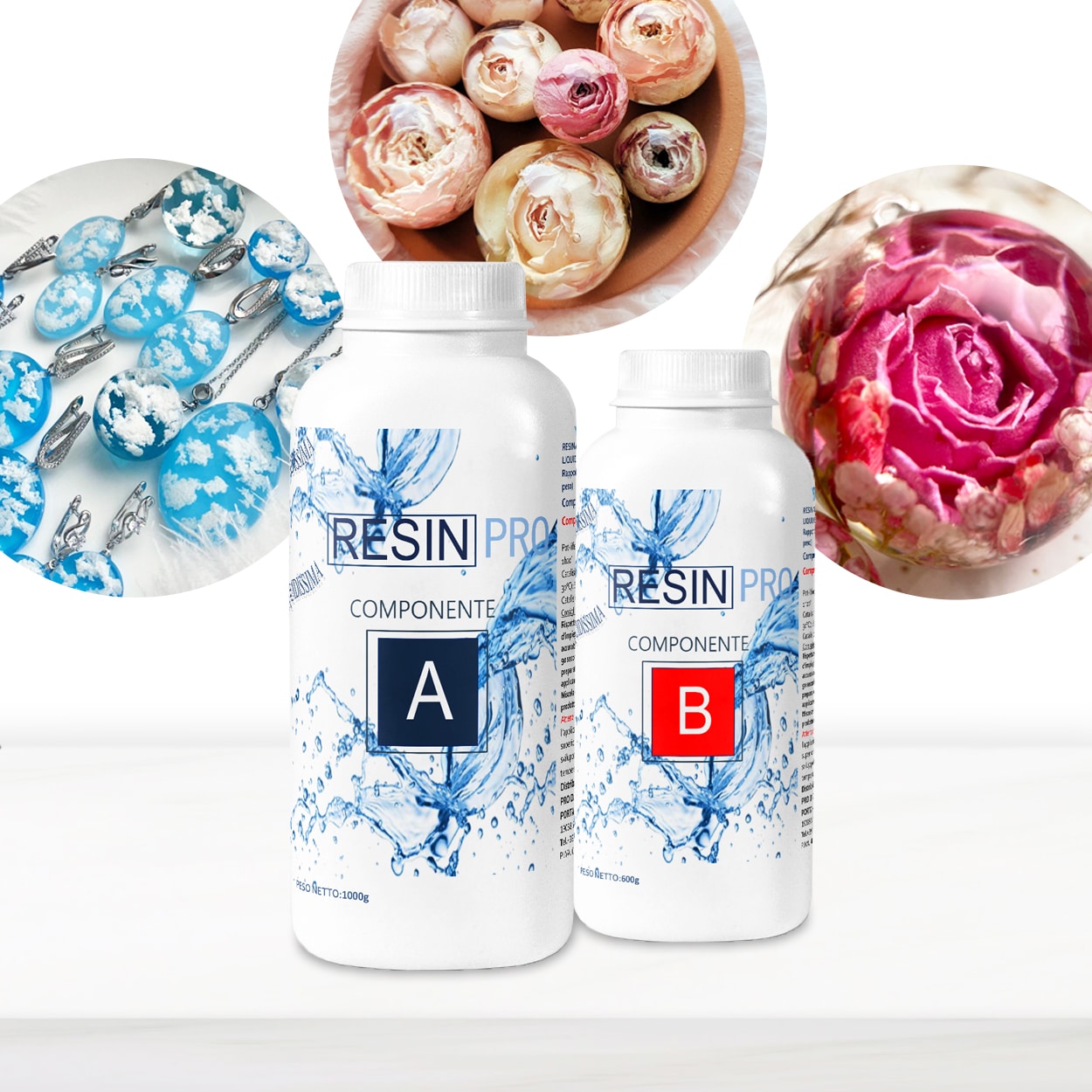
When working with liquid resin, managing heat generation is essential for smooth, clear results. Overheating during casting can lead to issues like cracking, yellowing, or even complete project failure. Here’s how you can keep your resin projects under control.
Understand Pour Depth Limits
Each epoxy resin product has a recommended maximum pour thickness. Exceeding this can lead to excessive heat (exotherm), resulting in rapid curing or damage. For instance, “Trasparente” Epoxy Resin is designed for casting up to 2cm per layer. If you need a deeper pour, choose a resin formulated for that application, such as a deep pour option. Always pour in layers if your project requires more thickness than your chosen resin allows.


Control Your Environment
Temperature plays a major role in curing. High ambient temperatures or direct sunlight can accelerate resin curing and increase the risk of overheating. Work in a cool, well-ventilated space and never use additional heat sources, like hairdryers or heat guns, to speed up the process. If possible, keep your workspace temperature below 24°C for optimal results.
Choose Suitable Resin for Your Project
Matching resin characteristics to your project size is key. Low-viscosity resins like “Icrystal” are ideal for shallow or intricate work (up to 1.5cm), while high-thickness projects—such as river tables—benefit from deep pour resins engineered to release less heat per layer. Always consult the manufacturer’s guidelines for layer recommendations and curing times.
When This Matters
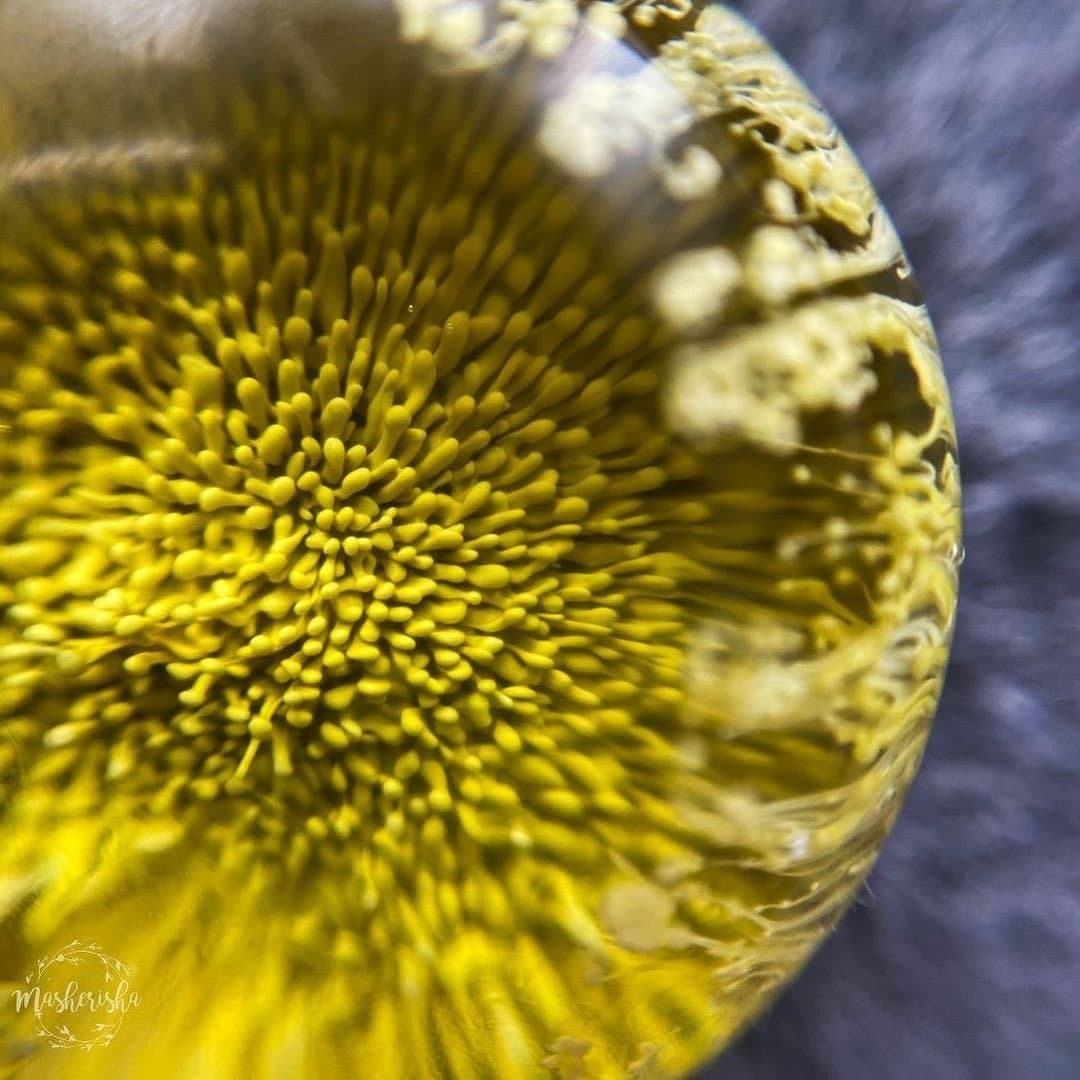
Preventing overheating is especially important for thick castings, large projects, or when working in warm conditions. Careful attention helps avoid yellowing, cracking, and reduces waste, ensuring your creative work is both successful and safe.
Related products
Related guides
By following these simple practices, you can minimise the risk of resin overheating and achieve clear, durable results. Explore our full range of liquid resin products suited to your needs by visiting the liquid resin FAQ hub.