 Free shipping on orders over £29,85
  Shipping Tracking!


 Google
 Facebook
← Back to Where can I find liquid resin?

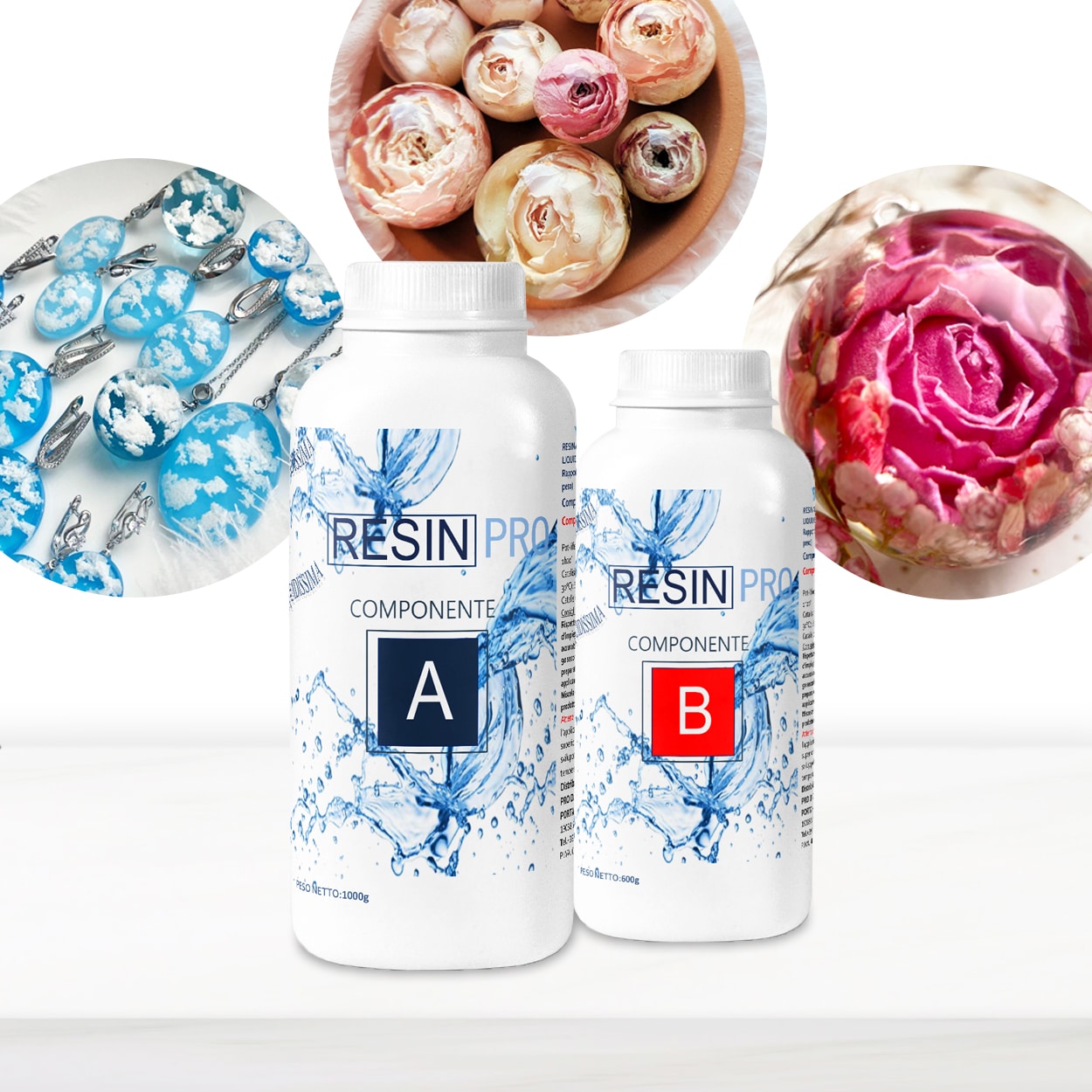
If you’re planning large or thick resin projects, overheating can be a real challenge. Choosing a resin formulated with a low exothermic reaction is the key to safe and successful deep casting, helping you avoid cracks, distortion, or discolouration.
What Is a Low Exothermic Reaction and Why Does It Matter?
Exothermic reaction refers to the heat released as resin cures. In big or deep pours, excessive heat buildup can cause problems like yellowing, bubbles, or even thermal damage. Low exothermic reaction epoxy resins, such as Epoxytable 10-Ten, are specially formulated to release heat slowly. This dramatically reduces the risk of overheating, even in castings up to 10cm thick.
Practical Guidance for Large Castings
- Check thickness guidelines: Always follow the maximum pour depth recommended for your resin product. For example, Epoxytable 10-Ten is suitable for up to 10cm in a single pour, while products like “Trasparente” and “Icrystal” are designed for up to 2cm and 1.5cm respectively.
- Pour in stages if needed: If your design exceeds the recommended depth, allow each layer to partially cure before adding the next to further control heat buildup.
- Monitor temperature: Work in a cool, ventilated space and avoid external heat sources during curing.
When It Matters Most
Working on river tables or thick decorative pieces? Using a low exothermic resin is essential for smooth, bubble-free results at greater depths. Attempting thick pours with standard resins may lead to rapid heating and failed casts.
Related products
Related guides
Planning a project requiring thick or large resin pours? Selecting a low exothermic reaction resin will safeguard your results and streamline your work. For more liquid resin options and detailed advice, refer to our main guide on where to find liquid resin.