 Free shipping on orders over £29,85
  Shipping Tracking!


 Google
 Facebook
← Back to Where to buy polyester resin


Choosing the correct resin can make a significant difference in both the quality and durability of your project. Polyester and epoxy resins each offer distinct strengths, so understanding when to use each is essential for the best results.
Key Differences Between Polyester and Epoxy Resin
Polyester resin is a versatile choice for many general-purpose repairs, especially when time and budget are concerns. It bonds well to rigid surfaces such as fibreglass and metals, making it suitable for tasks like patching boats, swimming pools, and automotive parts. In contrast, epoxy resin is crafted for performance. It provides superior strength, excellent adhesion, and long-lasting durability, ideal when structural integrity is essential—such as composite builds or carbon fibre applications.
Practical Guidance: Which Should You Use?
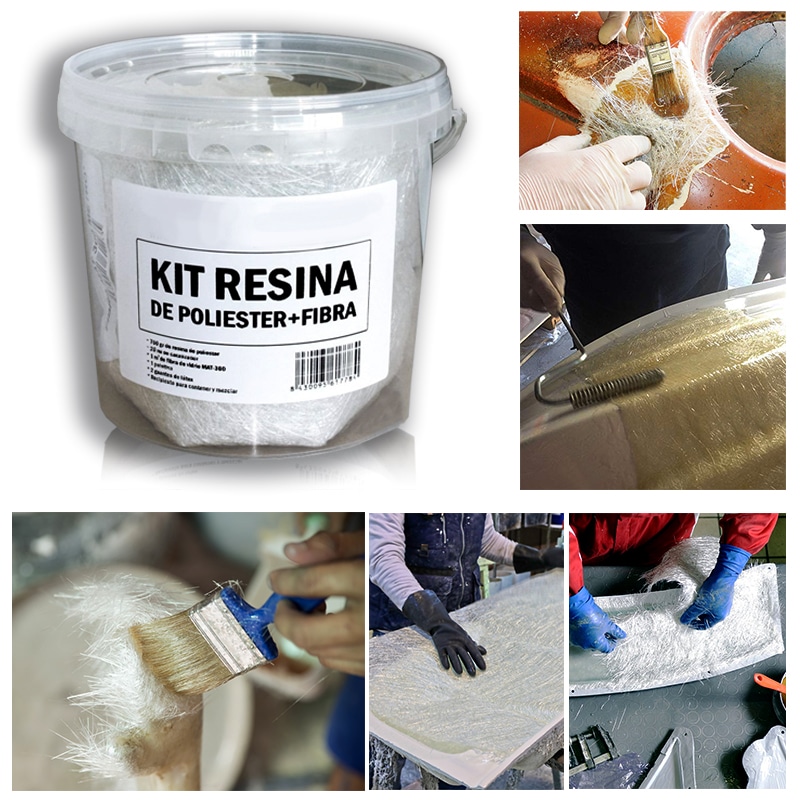
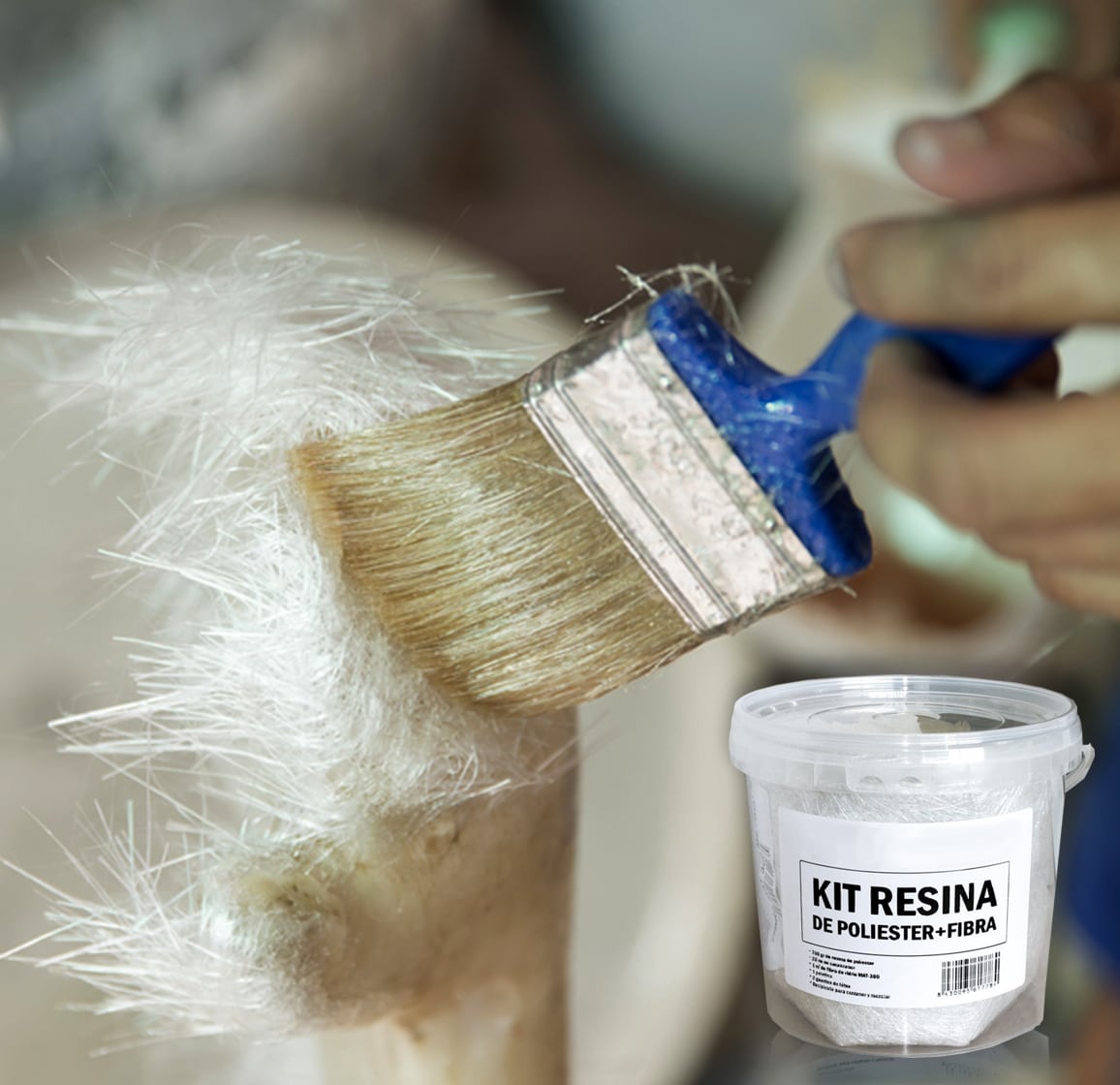
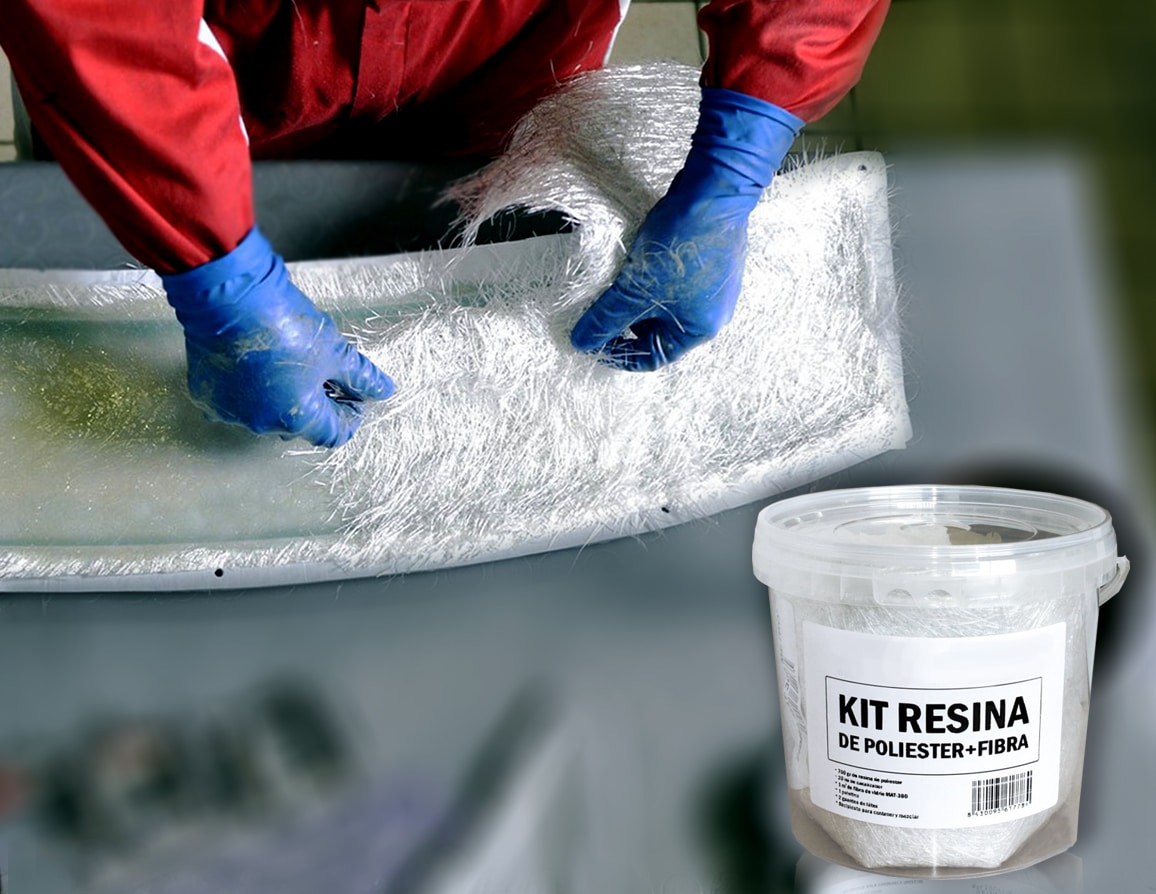
If your project involves quick, structural repairs on surfaces like boats, tanks, or swimming pools, a kit such as the Resin Fibreglass Repair Kit – Complete Polyester Resin and Hardener Set is a practical, cost-effective solution. It offers efficient, reliable bonding for many rigid materials. On the other hand, for advanced work with technical fabrics—such as carbon fibre or fibreglass laminates—consider an epoxy resin like “Carbon Resin”. Epoxy’s high-impact resistance and flawless finish are particularly valued in demanding or professional applications.
When This Matters Most
- Use polyester resin for general repairs or when working with rigid material surfaces and cost is a priority.
- Use epoxy resin for projects requiring maximum strength, superior adhesion, or when working with advanced composites and technical fabrics.
Related products
Related guides
Selecting between polyester and epoxy resin depends on your technical needs and project goals. To learn more about sourcing polyester resin for your upcoming work, see our advice on where to buy polyester resin.