 Free shipping on orders over £29,85
  Shipping Tracking!


 Google
 Facebook
← Back to What do bees collect resin for?
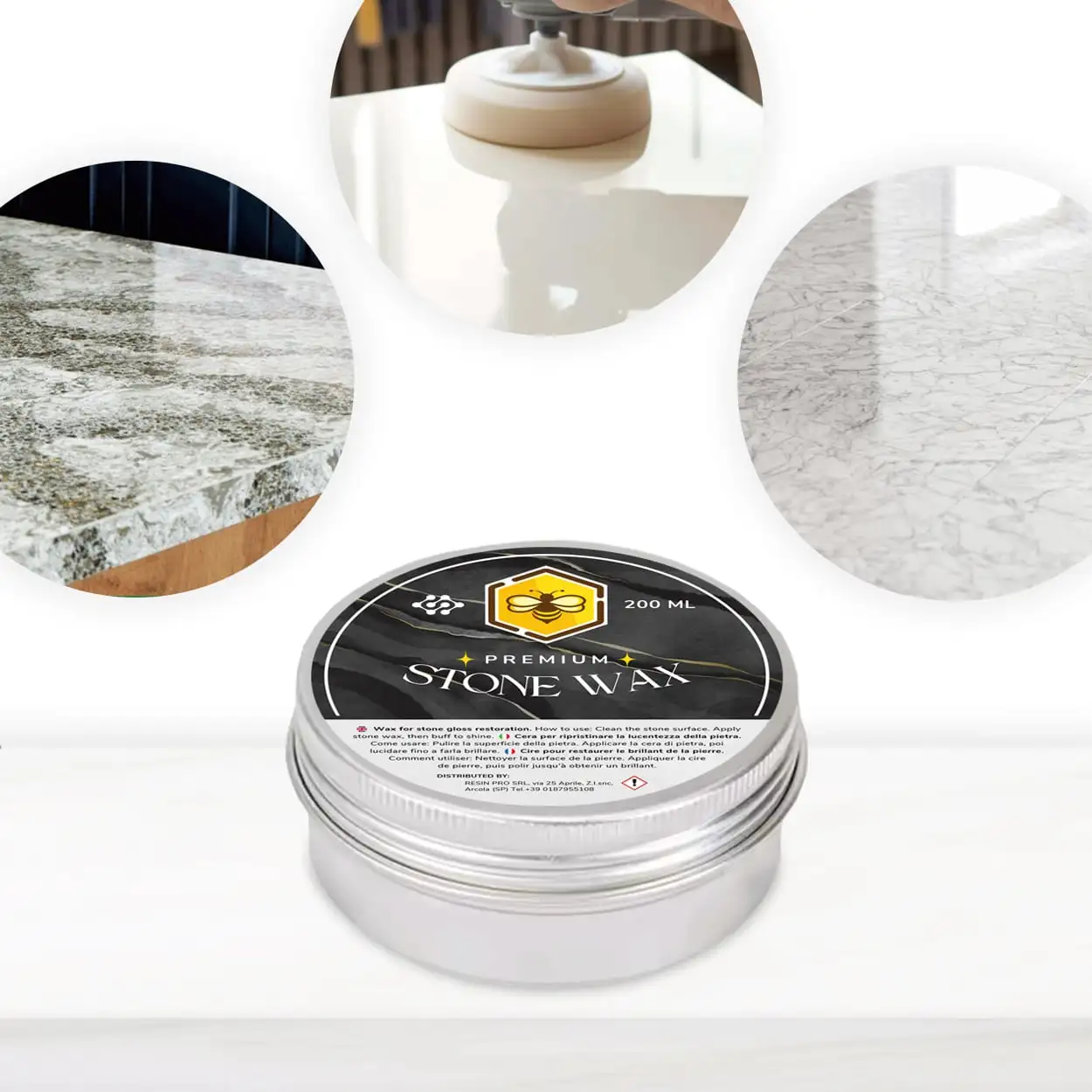
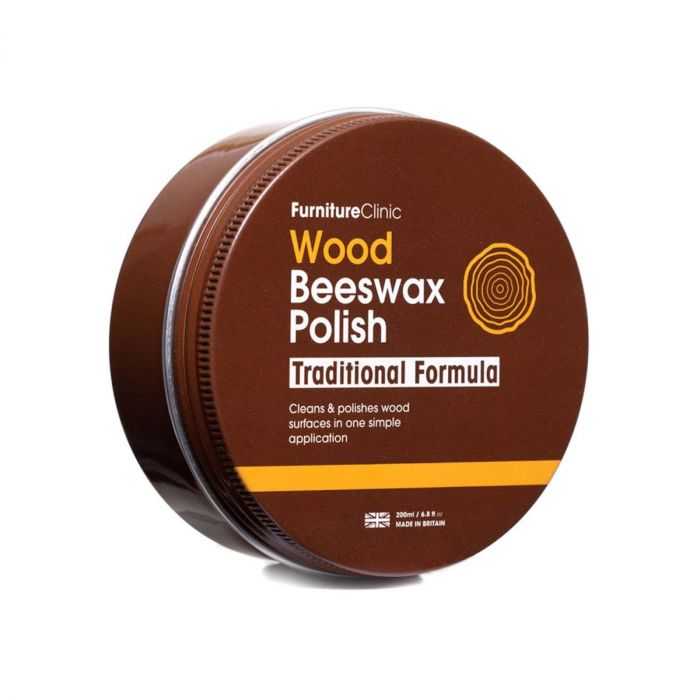
The effects of sunlight can cause stone surfaces to lose their original colour and lustre. Many use beeswax stone polish to create a natural barrier against such damage, but how effective is it against UV rays?
How Beeswax Stone Polish Works
Beeswax stone polish forms a protective coating over stone surfaces, acting as a barrier to external factors, including sunlight. The application of beeswax helps reduce the fading and alteration of colour and texture that can result from UV exposure. This natural formula is particularly valued for helping maintain the original appearance of stone, especially for surfaces exposed to natural light on a daily basis.
Routine Use for Lasting Protection
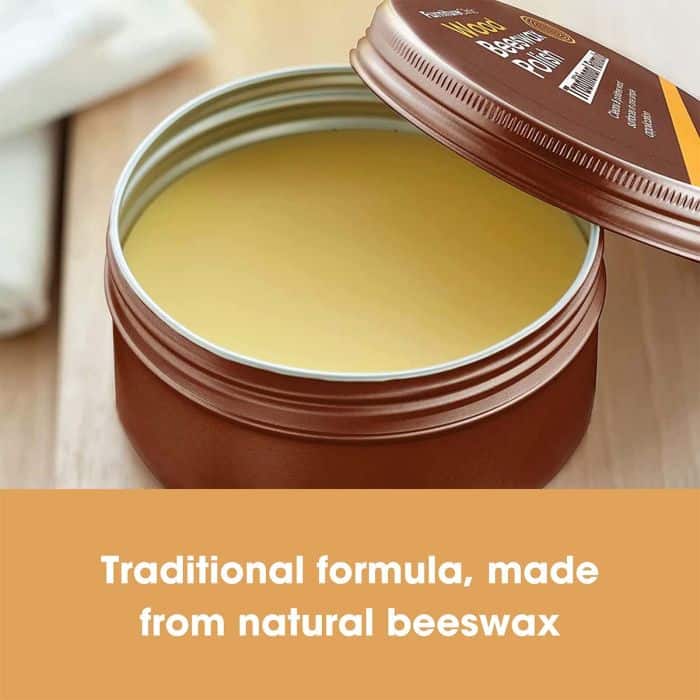
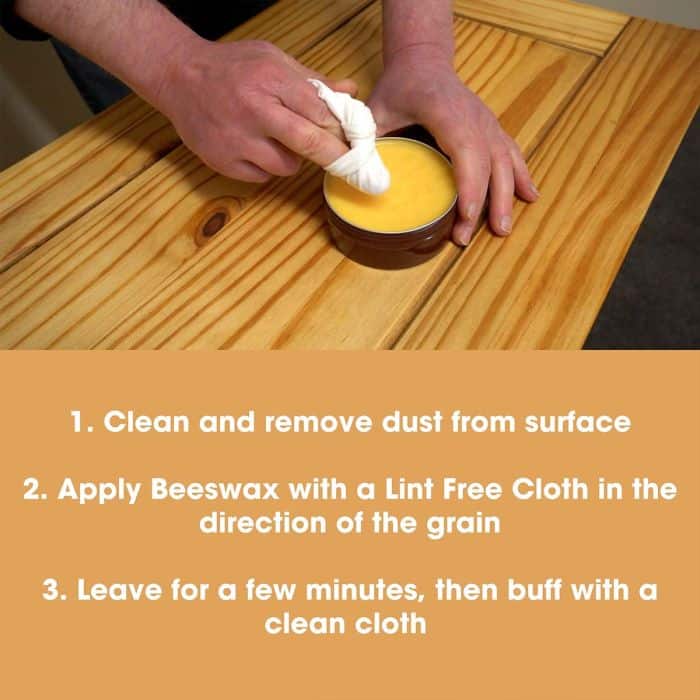
For ongoing defence, regular maintenance is key. Applying polish in small amounts, then buffing gently, creates the most consistent coverage for spot restoration and routine upkeep. Beeswax-based options, such as the Beeswax Stone Polish 80ml – Natural Formula, are ideal for restoring sheen and preserving both vibrant colour and a smooth finish—especially on decorative items or surfaces where appearance matters.
When UV Protection Matters Most
- Outdoor features: Polished stone on garden ornaments or patios benefit most from UV shielding.
- Sunlit interiors: Window sills, fireplaces, and tabletops exposed to prolonged direct sunlight are vulnerable to fading and should be maintained with appropriate polish.
Related products
Related guides
Beeswax stone polish contributes to preserving your stone’s look by minimising UV-related damage. To explore more on the natural origins of resin and beeswax, see our main guide: What do bees collect resin for?.