 Free shipping on orders over £29,85
  Shipping Tracking!


 Google
 Facebook
← Back to Do you need to move the furniture for a resin floor installation?

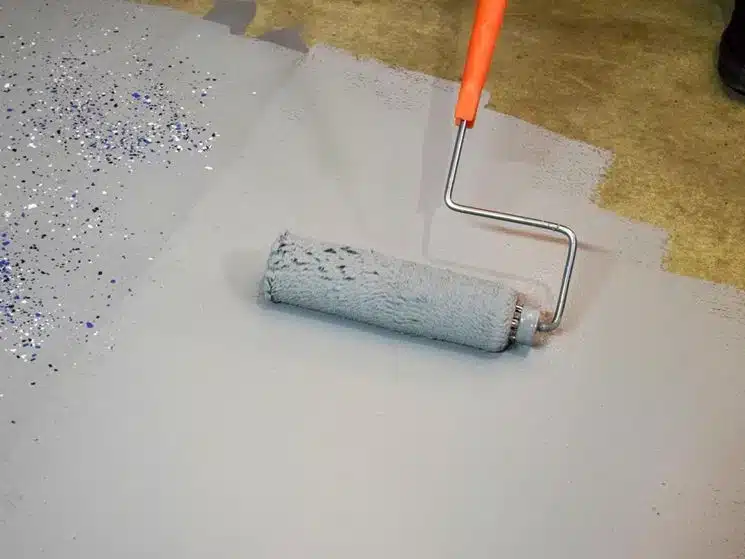
A sponge roller can be a useful tool when applying resin to floors or walls. Knowing when and how to use this roller will help you achieve a smooth, even surface and a professional finish during resin flooring projects.
What Sets Sponge Rollers Apart?
Sponge rollers are designed to distribute resin evenly whilst helping the material self-level as you work. Unlike short-pile rollers for detailed edges or broad rollers for large areas, sponge rollers excel at producing a streak-free, flawless finish. This is especially helpful when your goal is a glossy, professional look with minimal marks left behind by tools.


Getting the Best Results with a Sponge Roller
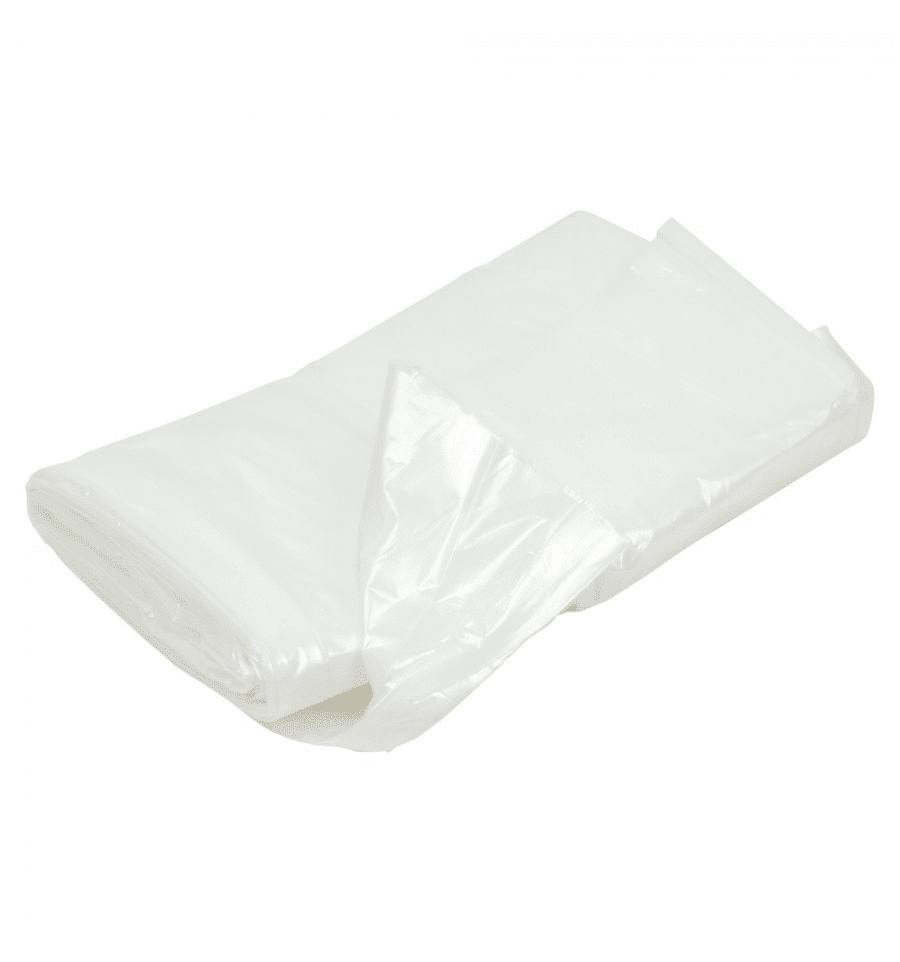
For best results, use a sponge roller during the final application stage of your resin flooring. Work in small sections, rolling gently to avoid introducing bubbles and to allow the liquid resin to flow naturally. If you’re working in a room with furniture, it helps to cover any items and adjacent flooring with a protective sheet, like the Protective Sheet Film for Resin Projects, to contain any splashes or spills during application.
When Does a Sponge Roller Matter Most?
A sponge roller is especially important when you value a perfectly smooth finish, such as in living areas or showrooms, where visible seams and brush marks can detract from the overall appearance. It’s also useful for DIYers new to resin application, as it helps achieve even coverage without specialised techniques.
Related products
Related guides
Choosing the right roller, and knowing when a sponge roller is your best option, ensures your resin flooring project looks its best. For more tips and practical advice, see our full guide on preparing for resin floor installation.