 Free shipping on orders over £29,85
  Shipping Tracking!


 Google
 Facebook
← Back to What do you need to make an epoxy table?
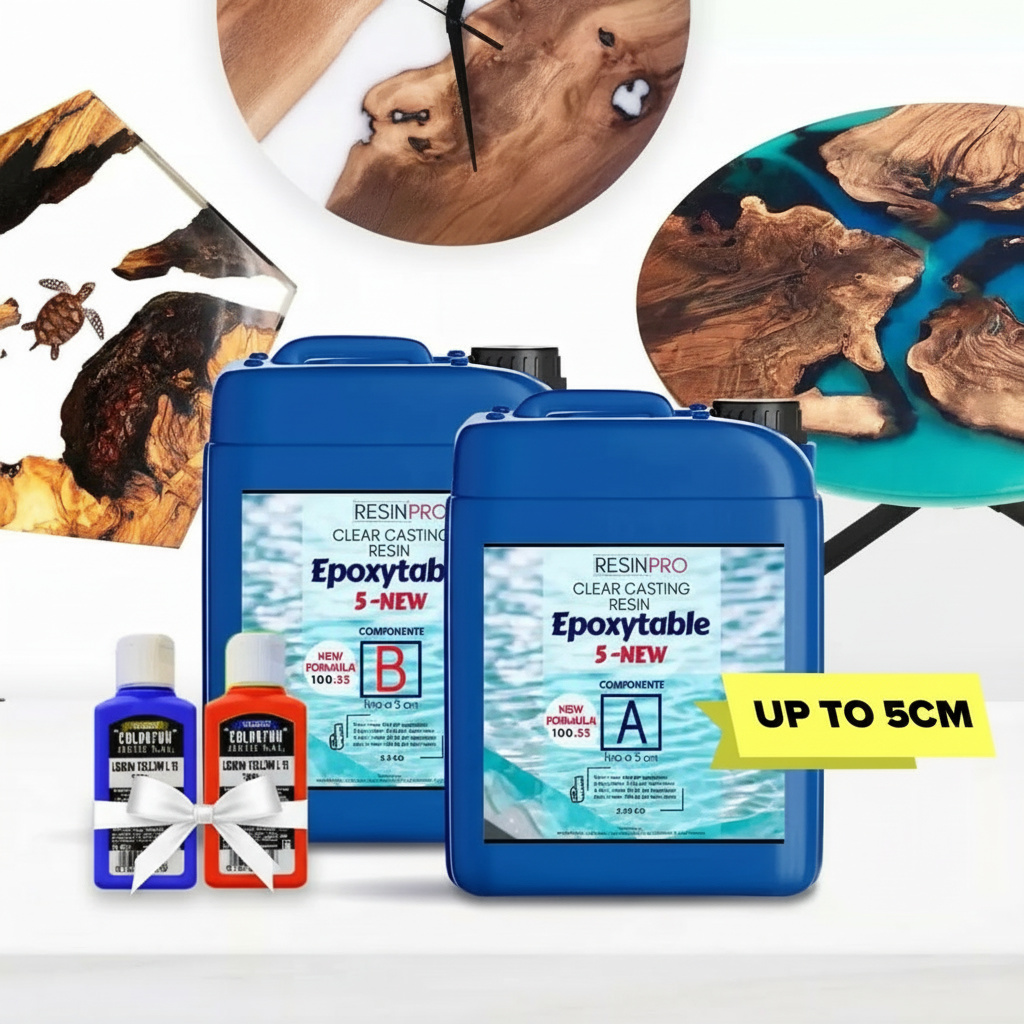
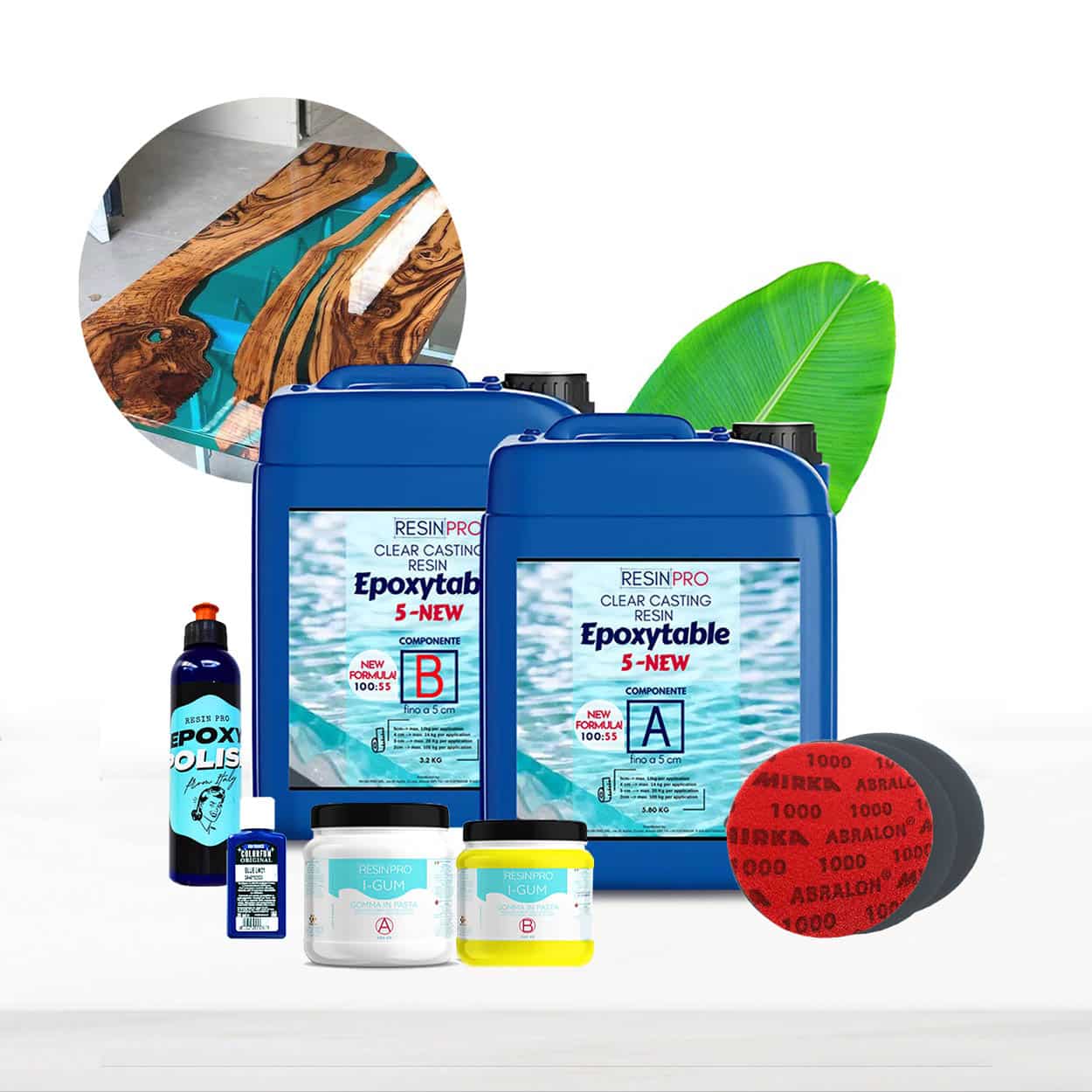
Choosing the right epoxy resin is essential when making a table with resin features. The key difference between standard and deep pour epoxy resins lies in how thick you can pour each layer and the results you can achieve.
Understanding Regular Epoxy Resin
Regular epoxy resins are formulated for projects where thin layers are required. They are ideal for sealing, coating tabletops, or adding decorative finishes. Typically, these resins are poured in layers no thicker than around 1–2 centimetres at a time. This thinner mix ensures a quicker cure, making them perfect for shallow embedding, clear topcoats, or small accents that don’t need significant depth.

When to Use Deep Pour Epoxy Resin
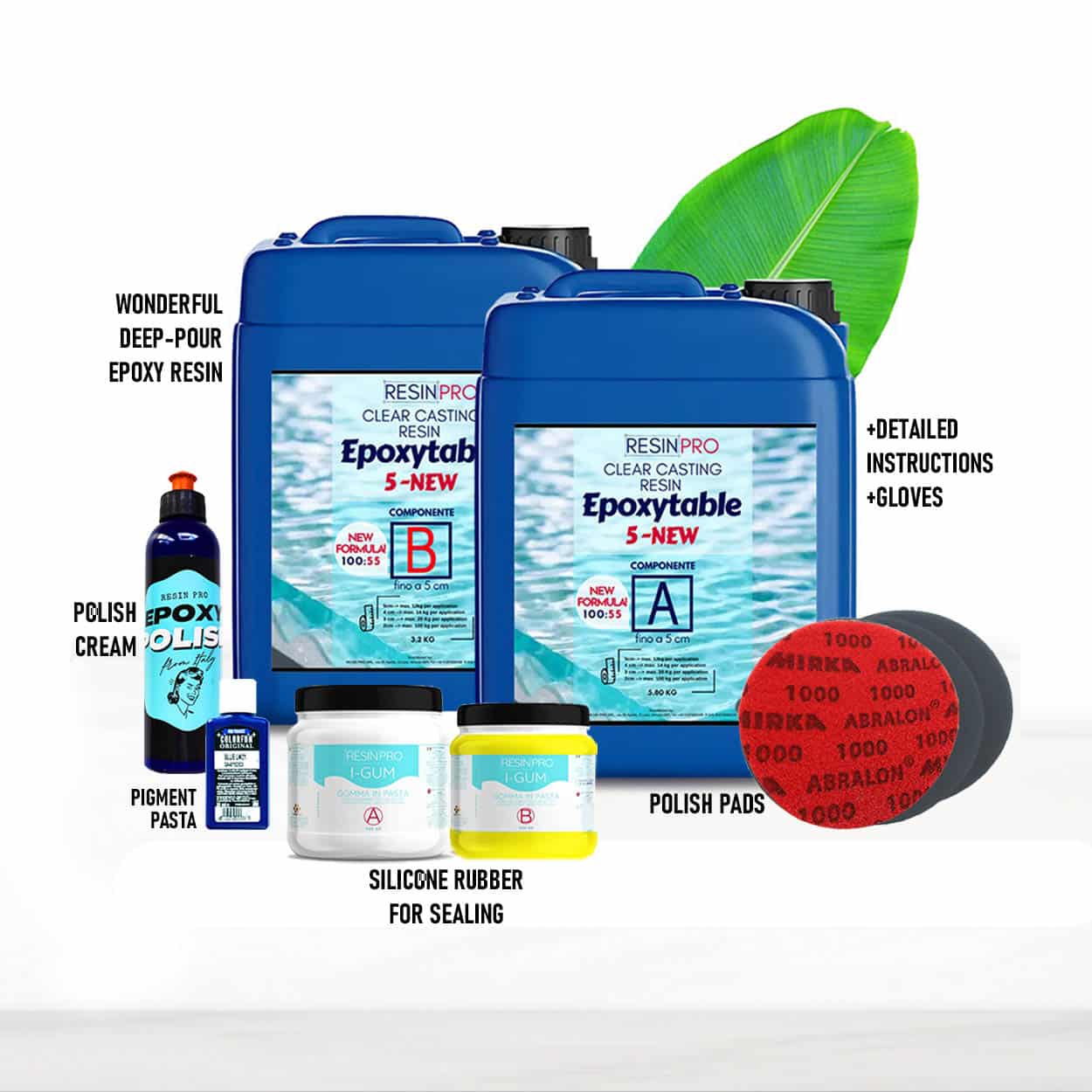
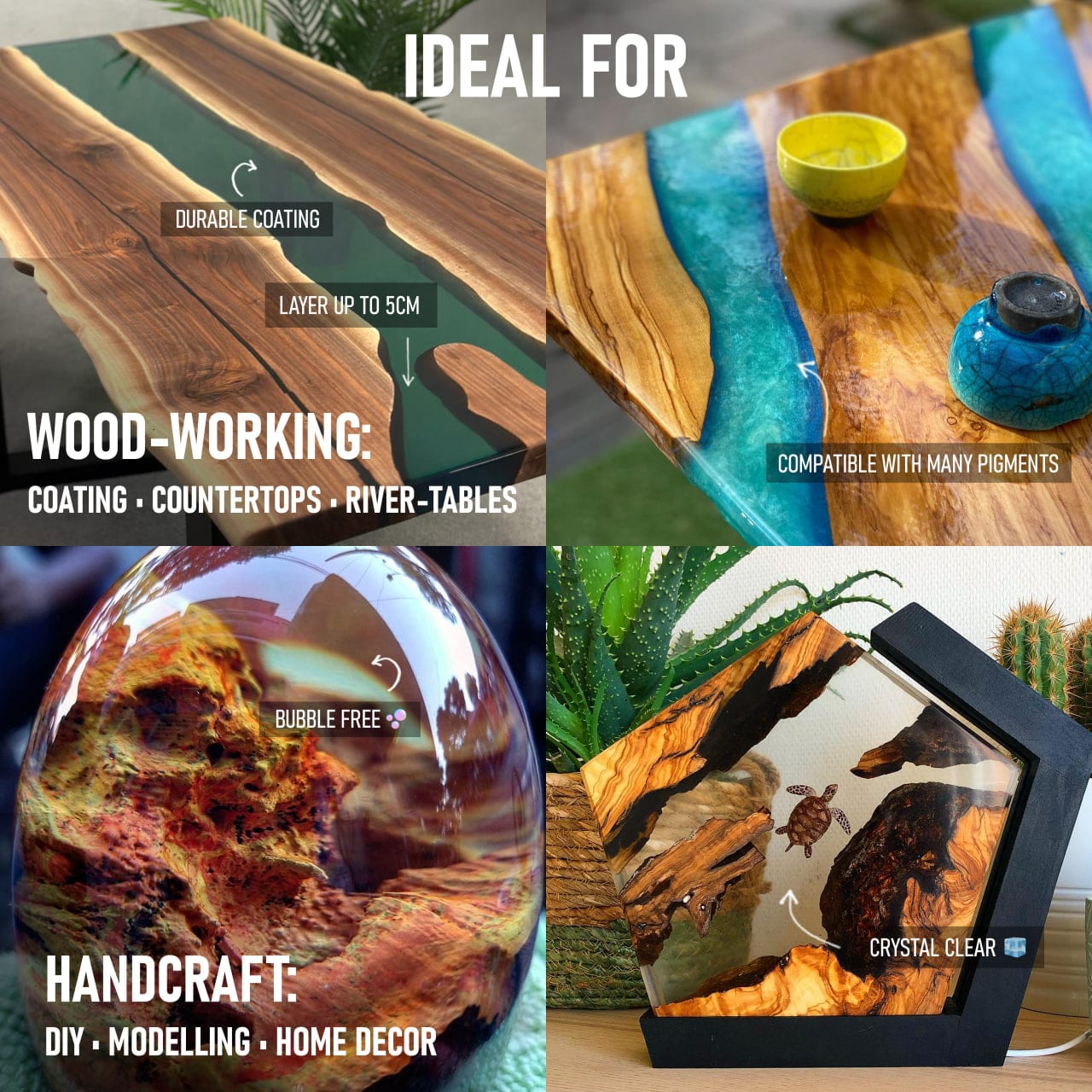
Deep pour epoxy resins are engineered for projects requiring much thicker layers, such as resin “river” tables or projects with casting depths of up to 5–10 centimetres depending on the product. Their slow curing formula allows you to pour greater depths in a single go without risk of overheating or cracking. Products like EpoxyTable 5-Five make deep, bubble-free pours possible for medium to large projects.
- Thick castings for river tables and embedded objects
- Maintains clarity and resists yellowing
- Lower exothermic reaction prevents overheating
Choosing the Right Resin for Your Project
If you’re making a table with a dramatic river effect or embedding large items within resin, opt for a deep pour formulation. For simple coating, finish layers, or inlays less than a couple of centimetres thick, regular epoxy is suitable. Some complete table kits, such as the River-Table Complete Kit, include both resin types so you can tackle each stage of your project with confidence.
Related products
Related guides
Understanding the difference between standard and deep pour epoxies will help you get professional results on your epoxy table project. For more on materials and tips, see our main guide: What do you need to make an epoxy table?