 Free shipping on orders over £29,85
  Shipping Tracking!


 Google
 Facebook
← Back to Why does UV resin stay sticky?
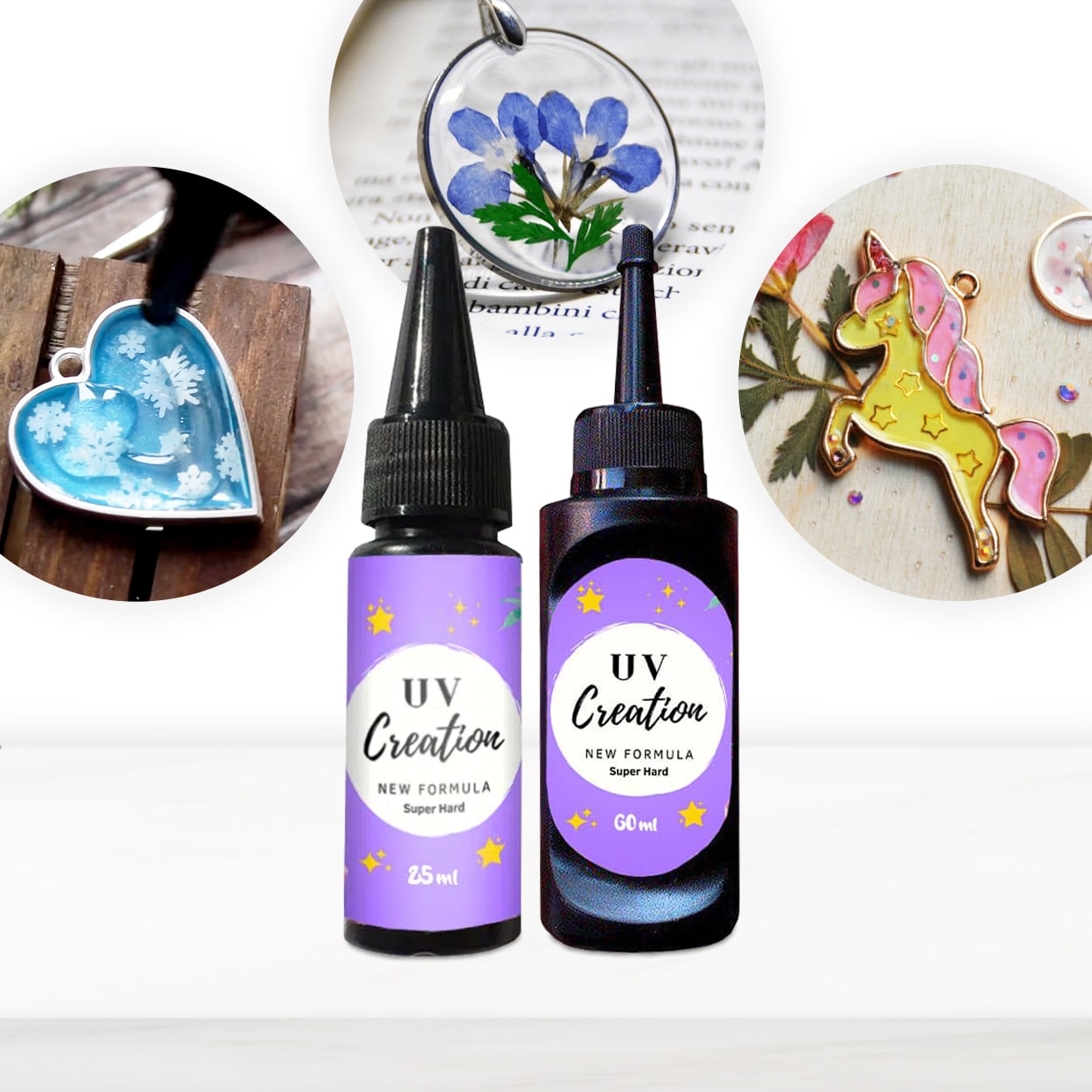
Sticky resin is a frustration for many beginners. However, with a few simple adjustments and the right equipment, you can reliably avoid tacky finishes and achieve glossy, handle-ready projects.
Mastering Thin Layers and Even Curing
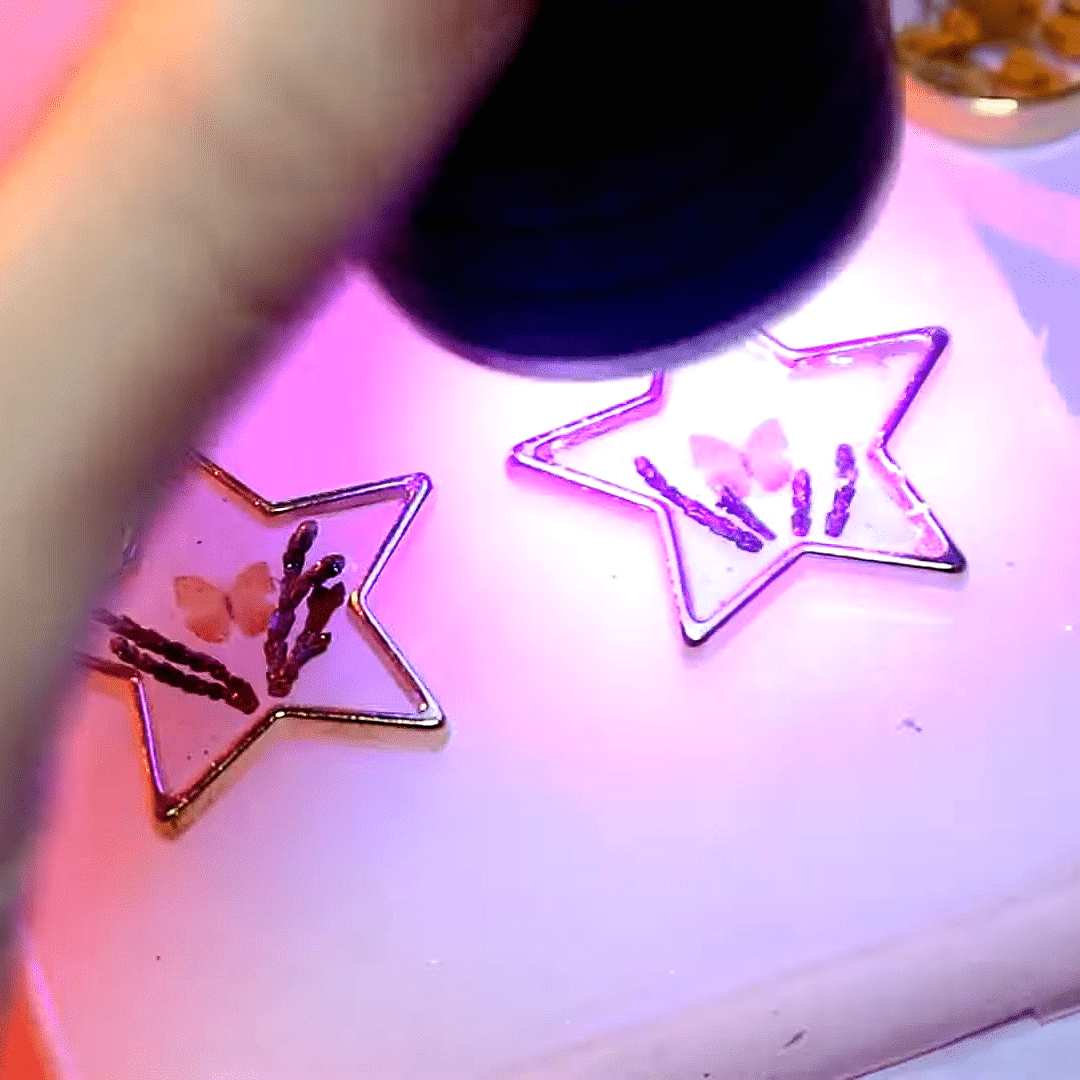
Apply UV resin in thin layers—ideally no more than 3 mm at a time—to help light penetrate and cure it fully. Thick layers often cure unevenly or stay sticky on the surface. Make sure your UV lamp covers the whole piece, moving it if necessary to ensure thorough exposure. Even, consistent light is essential for a tack-free finish.
Choose Quality UV Resin and Reliable Curing Tools
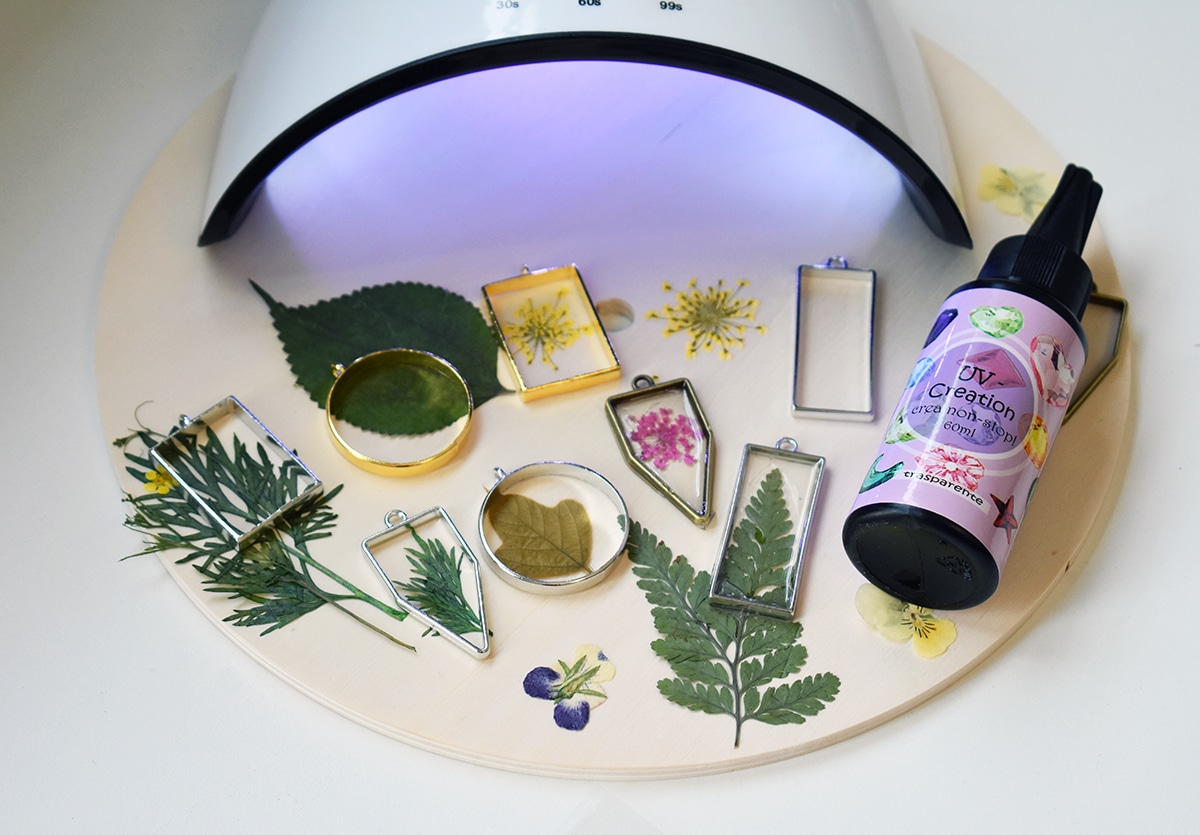
Success starts with the right products. Choose a fast-curing UV resin formulated for crafters, such as the “UV–Creation” Fast Acrylic Resin, which is designed for efficient curing and a glossy, non-sticky result. Pair your resin with a powerful lamp—avoid basic torches for larger or detailed projects, as they can leave patches undercured. Consider a dedicated curing lamp to remove the guesswork.
When This Matters Most
These tips are especially important for delicate jewellery, transparent layers, or when your finished piece will be handled or worn. A sticky surface not only looks dull but can attract dust and spoil your work, so it’s worth taking a little extra care.
Related products
Related guides
By working in thin layers, using trusted UV resin formulas, and ensuring complete lamp coverage, you can avoid sticky resin and create truly professional-looking results. For more advice on troubleshooting stickiness and choosing the right supplies, visit our main guide on why UV resin stays sticky.