 Free shipping on orders over £29,85
  Shipping Tracking!


 Google
 Facebook
Why does UV resin stay sticky?
Troubleshoot sticky UV resin and select the right solutions
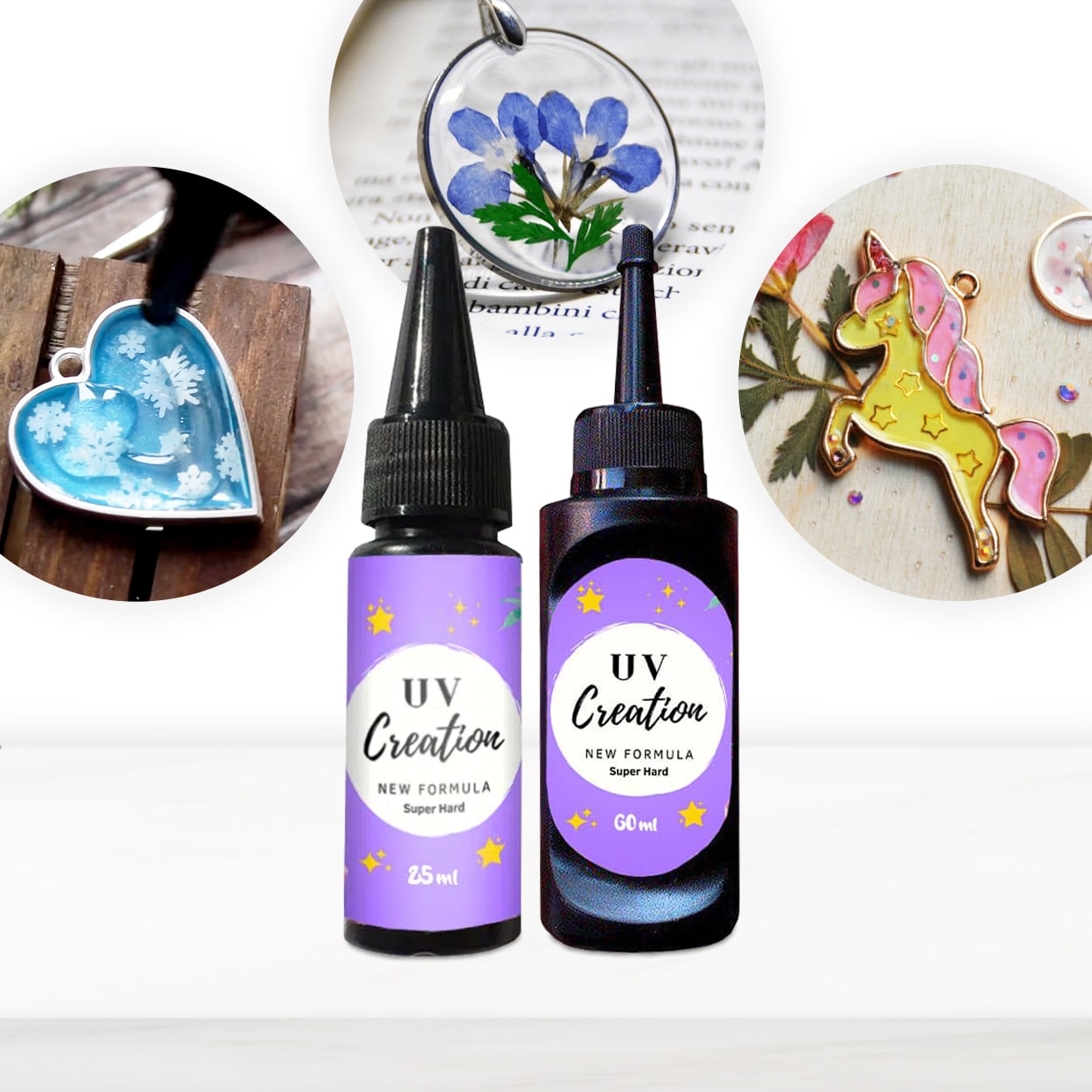

Sticky UV resin is a common frustration for both beginners and experienced crafters. Whether you’re making resin jewellery, artwork, or seasonal decorations, a tacky finish can spoil your results and dampen your enthusiasm. On this page, you’ll learn the main reasons UV resin stays sticky, how to prevent and fix it, and which products and tools from ResinPro can help you achieve flawless, glossy creations every time.
Understanding Sticky UV Resin: Causes and Solutions
UV resin cures rapidly under ultraviolet light, providing users with quick turnaround times for their projects. But if the resin is left sticky, troubleshooting becomes necessary. Tacky surfaces can result from inadequate UV lamp strength, incorrect curing times, thick resin layers, ambient humidity, or even the formulation of the resin itself. Recognising each factor can help solve and prevent persistent tackiness. Below, we’ll compare the best resins, lamps, and kits designed to help you avoid common curing pitfalls.
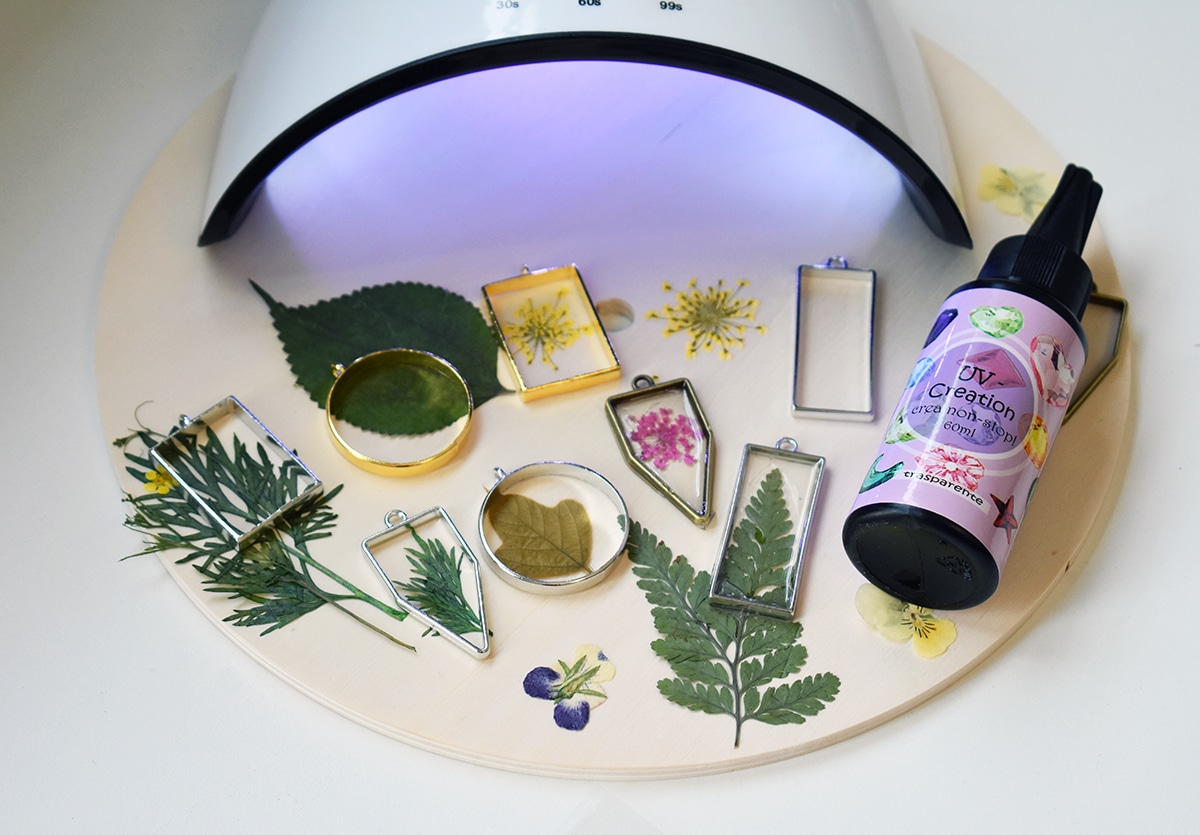
Visual Guide: UV Resin Curing Mistakes
Underpowered UV lamps or thick resin applications often cause surface tackiness. See how professional lamps and fast-curing resins make a visible difference. Browse UV resins and accessories for reliable results.
“UV–Creation” – Fast Acrylic Resin, 3 Minute UV Cure
“UV–Creation” – Fast Acrylic Resin, 3 Minute UV Cure is designed with quick, easy curing in mind. Hardening in just 2–3 minutes under a UV lamp, this formulation helps ensure your jewellery, cabochons, and coasters come out non-sticky and crystal clear. Its one-component, no-mix system means it’s ready for use straight from the bottle, supporting consistent results even for beginners. If you’re looking to troubleshoot sticky resin in detail work or small-scale craft, this resin’s Instant curing and Crystal clear, non-yellowing finish minimise surface tackiness and maximise shine.
380W UV Lamp with Automatic Sensors for Fast Resin and Gel Curing
A common culprit behind sticky finishes is insufficient or uneven UV exposure. The 380W UV Lamp with Automatic Sensors for Fast Resin and Gel Curing offers ample output to cure resin layers efficiently. With Fast curing that can reduce resin cure times by up to 50% and Automatic sensors for user convenience, this lamp helps eliminate guesswork and promotes complete resin polymerisation. Hobbyists and professional artists alike will benefit from this lamp’s Long-lasting bulbs and Universal compatibility with all UV and LED gel formulations—ensuring surfaces cure properly and avoid sticky residue.
21 LED UV Torch for Fast Acrylic Resin Curing
For crafters who need flexible and portable options, the 21 LED UV Torch for Fast Acrylic Resin Curing is a handy tool for small projects or hard-to-reach areas where sticky resin may persist. Its 21 high-powered LEDs deliver strong, even coverage, while its Energy-efficient design and Compact and portable build make it ideal for travel workshops or detailed touch-ups. Consistency is key for thorough curing—this torch is engineered for Consistent performance so your crafts set with minimal issues.
UV Resin Kit with 5 Christmas Silicone Moulds for Festive Crafting
The UV Resin Kit with 5 Christmas Silicone Moulds for Festive Crafting is perfect for seasonal projects and family crafts. This kit includes Includes fast-curing clear UV resin and Five unique silicone moulds, letting you experiment while reducing the risk of sticky mishaps. Perfect for gifts and creative fun, the kit is best paired with a high-quality UV lamp (sold separately) to ensure your resin cures through and through, eliminating any surface tackiness and supporting glossy, durable ornaments every time.
Tips for Preventing Sticky UV Resin on Your Projects
Avoiding surface stickiness comes down to a few essential principles: always cure in thin layers (no more than 3 mm per coat for most UV resins), use appropriate UV lamps for even, sufficient exposure, and ensure your working environment is free from dust or oils that can inhibit the cure. Consider the formulation of your chosen resin and match it to your intended project—some are optimised for jewellery, others for crafts. If you do encounter sticky spots, a second round under a strong lamp typically resolves the issue, or you can try gently wiping with an alcohol pad to remove residue on non-porous surfaces.
Troubleshooting: Sticky UV Resin in Action
Struggling with tacky surfaces? Compare project photos and real user setups that achieve flawless, glossy resin by applying thin layers and choosing the right curing tools.
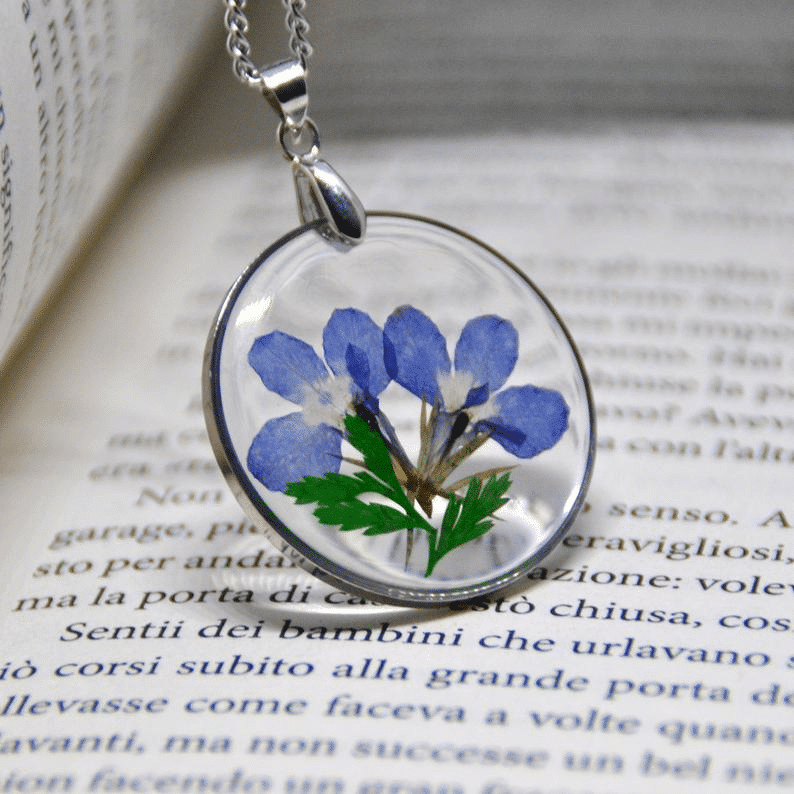
- "UV–Creation" – Fast Acrylic Resin, 3 Minute UV CurePrice range: £8.45 through £62.95"UV–Creation" is a fast-curing UV acrylic resin suitable for jewellery makers and crafters seeking a clear, glossy finish.
- 380W UV Lamp with Automatic Sensors for Fast Resin and Gel Curing£13.95The 380W UV Lamp with automatic sensors supports efficient, reliable curing for UV resin and gel applications, designed for professional and DIY use.
 21 LED UV Torch for Fast Acrylic Resin CuringOriginal price was: £10.45.£7.45Current price is: £7.45.A compact UV torch with 21 LEDs for consistent acrylic resin curing, suited to various craft and art projects.
 UV Resin Kit with 5 Christmas Silicone Moulds for Festive CraftingPrice range: £15.95 through £27.45The UV Resin Kit includes fast-curing clear resin and five Christmas-themed silicone moulds suitable for festive crafting and gifts.
Frequently Asked Questions
What are the main reasons UV resin stays sticky after curing?
Sticky UV resin often results from inadequate UV exposure, thick layers, humidity, or contaminated surfaces. Choosing a proper lamp and following cure guidelines helps prevent tackiness.
How do I fix sticky spots on UV resin crafts?
Try additional UV curing or gently wipe the surface with an alcohol pad. Problem areas usually harden with extra exposure to a suitable UV lamp.
How do I know if my UV lamp is strong enough for resin?
A lamp's wattage and LED quality matter. Lamps over 20W are typically effective for small projects; dedicated 380W models ensure fast, thorough cures on any UV resin.
Should cured UV resin ever feel slightly tacky or soft?
A properly cured UV resin should be hard and touch-dry. Persistent tackiness indicates incomplete curing and can often be solved with extra UV exposure.
Does UV resin cure differently from traditional epoxy?
Yes, UV resin requires ultraviolet light for curing and hardens quickly in thin layers, while epoxy relies on mixing and chemical reaction over time.
What can beginners do to avoid sticky UV resin?
Work in thin layers, ensure even lamp coverage, and use proven fast-curing formulas. Kits designed for beginners help reduce errors and sticky results.