 Free shipping on orders over £29,85
  Shipping Tracking!


 Google
 Facebook
← Back to Why does the resin on the table crack?

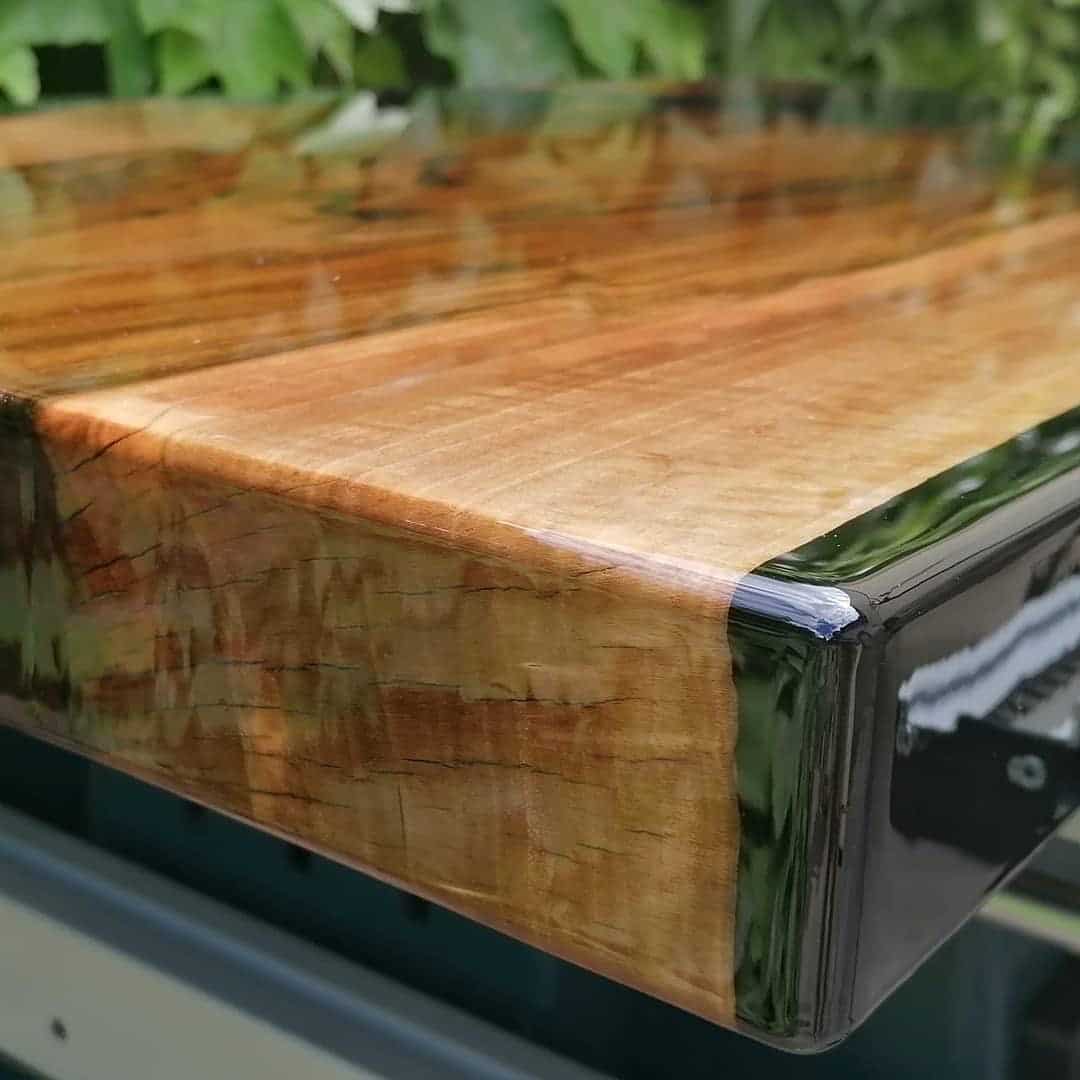
Choosing the right epoxy resin for your table project can make the difference between a flawless, durable surface and disappointment. Each resin formulation brings its own strengths, especially in terms of pour depth, curing time, and finish qualities.
How Table Resins Differ by Pour Thickness
The most significant difference between table resins is their recommended pour depth for each layer. For standard table coatings and thinner pours up to 2cm, a clear all-purpose resin like “Trasparente” provides a high-gloss, scratch-resistant finish and is straightforward for DIY projects. For deeper pours—such as river tables or artistic castings up to 5cm—specialist resins like “EpoxyTable 5-Five” are designed to cure without overheating and offer additional surface durability. Ultra-deep projects, reaching up to 10cm in a single pour, benefit from formulations like “Epoxytable 10-Ten” that maintain a low exothermic reaction, reducing risks such as cracking and yellowing.


Curing, Heat, and UV Resistance
Deeper-pour resins are designed with a slower cure and a lower heat build-up to prevent distortion and cracks during thick-casting applications. Both “EpoxyTable 5-Five” and “Epoxytable 10-Ten” utilise strong UV filters to help preserve clarity, and their heat resistance up to approximately 70°C means they are fit for most household use. Thinner resins tend to cure more quickly and may require working in shallower layers to avoid overheating and exothermic damage.
Practical Considerations for Buying and Use
- Choose your resin based on the maximum thickness of each layer you plan to pour. Using a resin intended for deep pours helps avoid common issues like overheating and cracks.
- If your project exceeds the recommended thickness (over 5cm for standard deep-pour resins), work in multiple layers with adequate curing time between pours.
- Ensure good formwork sealing and follow the ratio instructions for mixing resin and hardener for the best results.
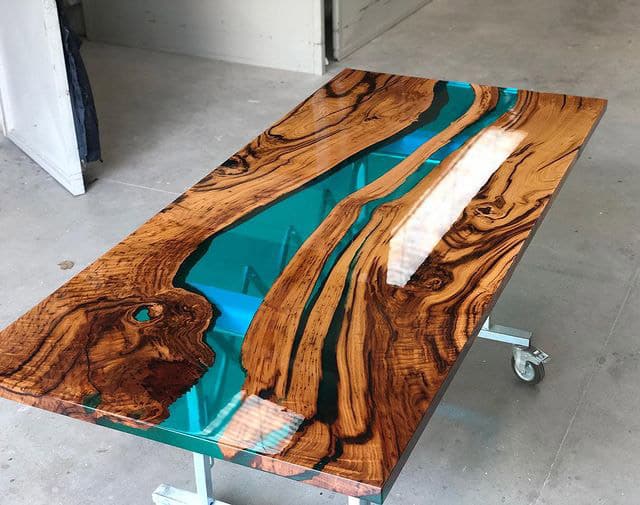
When this Matters Most
Selecting the correct resin type is crucial for river tables, embedded objects, or any design where depth and clarity are key. In these cases, using an inappropriate resin can result in surface issues, yellowing, or structural defects.
Related products
Related guides
Understanding the core differences between resins for tables helps you make informed choices and achieve lasting, beautiful results. For more insight into preventing cracking and choosing the best resin for your needs, visit our main guide on why resin on the table cracks.