 Free shipping on orders over £29,85
  Shipping Tracking!


 Google
 Facebook
← Back to Why does resin crack?

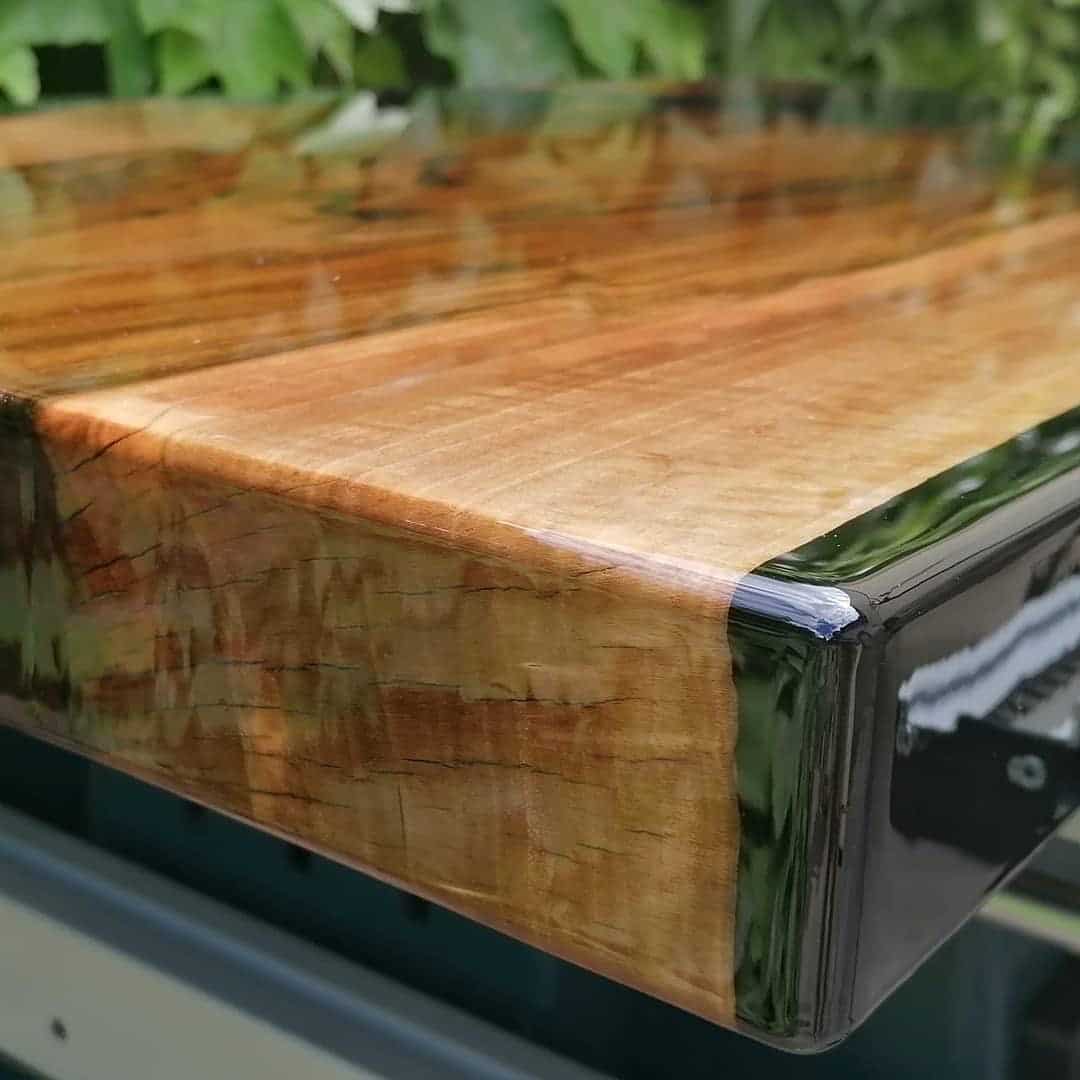
Overheating is a leading cause of cracks in epoxy resin projects, especially with deeper pours and rapid cures. Understanding why this happens and taking steps to control heat during curing is essential for a flawless, resilient result.
Why Does Resin Crack When Overheated?
Epoxy resin generates heat as it cures—a natural exothermic reaction. When poured too thickly or allowed to cure too rapidly, excess heat can become trapped. This leads to internal stress, as the surface and core cool at different rates. The tension that builds may eventually cause visible cracks, ruining the look and integrity of your project.


Best Practices to Prevent Cracking from Heat
- Work in Layers: For pours thicker than recommended (generally above 5–10cm), split your project into two or more layers, letting each cure before adding the next. Wait about 6–8 hours between layers.
- Choose the Right Resin: Deep pour resins, such as “Epoxytable 10-Ten”, are formulated for thicker castings and control heat better than standard types.
- Control Environment: Work in a cool, well-ventilated area and avoid direct sunlight or other heat sources during curing.
When This Matters Most
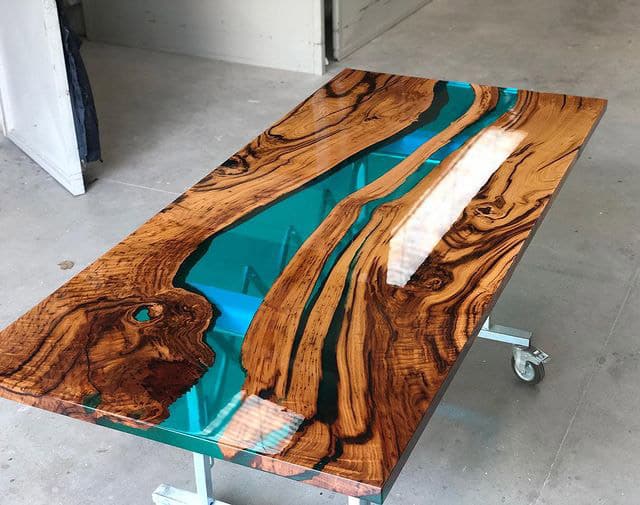
Heat-induced cracking is more likely when making large tables, river pours, or casting projects where the resin thickness exceeds standard guidelines. If your project has any side longer than 100cm or uses over 8kg of resin at once, always pour in several stages for best results.
Related products
Related guides
Careful management of curing temperatures and layer thickness are key to avoiding cracks in your epoxy creations. For more insight into common resin issues and solutions, visit our main guide on why resin cracks.