 Free shipping on orders over £29,85
  Shipping Tracking!


 Google
 Facebook
← Back to Why does resin crack?

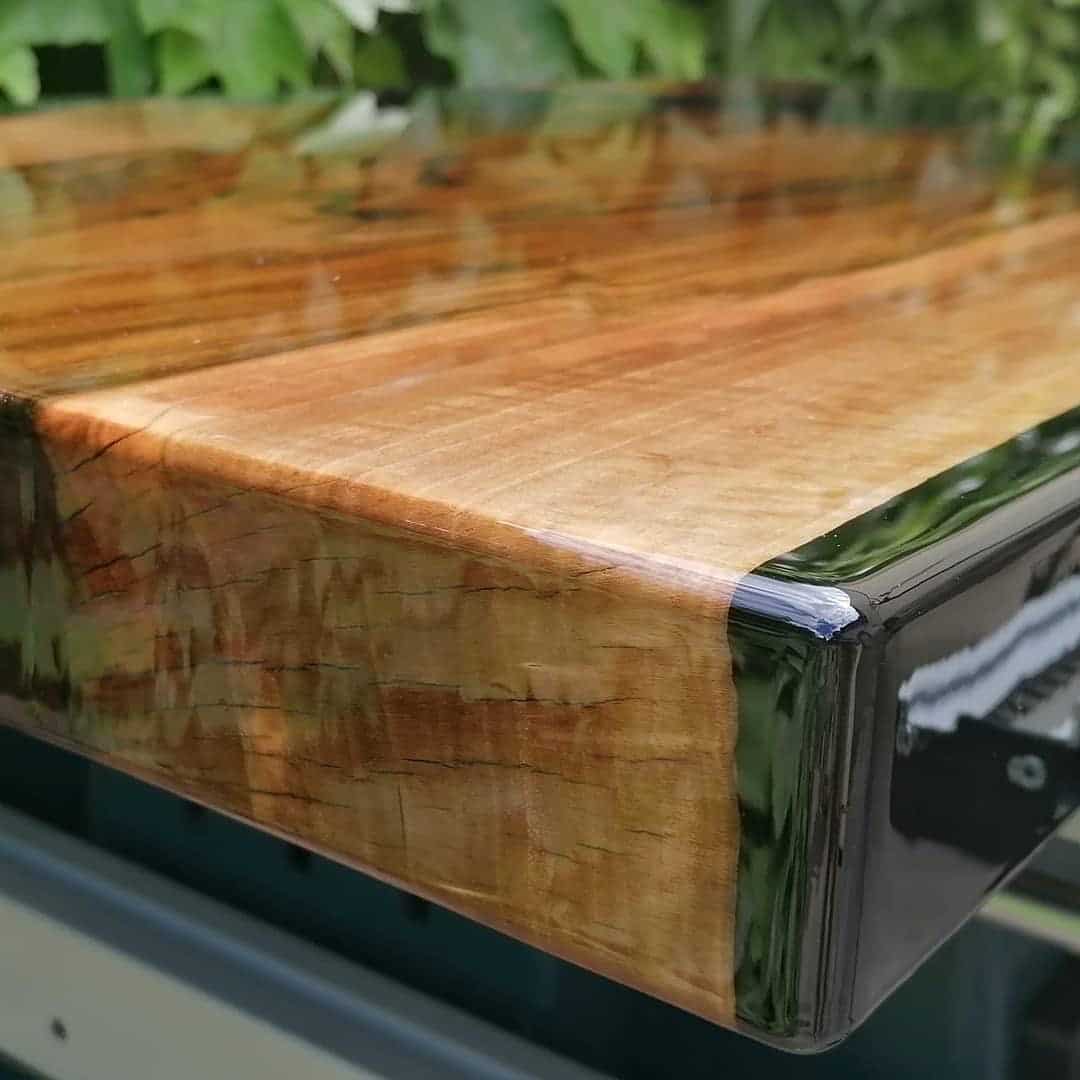
Direct sunlight can have a noticeable impact on the durability of resin projects. Understanding how UV exposure affects resin helps you keep your creations looking their best for years to come.
How Sunlight Affects Resin
Resin, particularly epoxy, is sensitive to ultraviolet (UV) light from the sun. With prolonged sun exposure, the resin can slowly degrade and become more brittle. This weakening of the resin structure is what makes surface cracking or splitting more likely over time. In addition to cracking, yellowing and discoloration can also occur if the resin is not stabilised for outdoor light.


Choosing the Right Resin for Sun Exposure
If your work will be displayed near windows or outdoors, selecting a UV-resistant resin is essential. Look for formulas with added UV-stabilisers or filters, such as the “Epoxytable 10-Ten” deep pour epoxy, which is developed specifically to help maintain clarity and reduce sunlight damage. Even when using UV-protected resins, it’s best to limit direct sunlight exposure whenever possible, especially during the curing process, to ensure the strongest finish.
When Sunlight Exposure Matters
- Outdoor projects: Garden tables, resin countertops, and artwork left outside will be more prone to UV-related cracking.
- Windows and sunrooms: Pieces placed in bright, sunny spaces require extra UV protection to minimise both cracking and colour changes.
- During curing: Avoid sunny windowsills or outdoor settings while your resin is setting, as this can interfere with the chemical process.
Related products
Related guides
By understanding the risks posed by sunlight and using UV-resistant resins, you can reduce the chances of cracks developing in your resin projects. For more about resin durability and expert tips, explore the full guide on why resin cracks.