 Free shipping on orders over £29,85
  Shipping Tracking!


 Google
 Facebook
← Back to Why does resin crack?

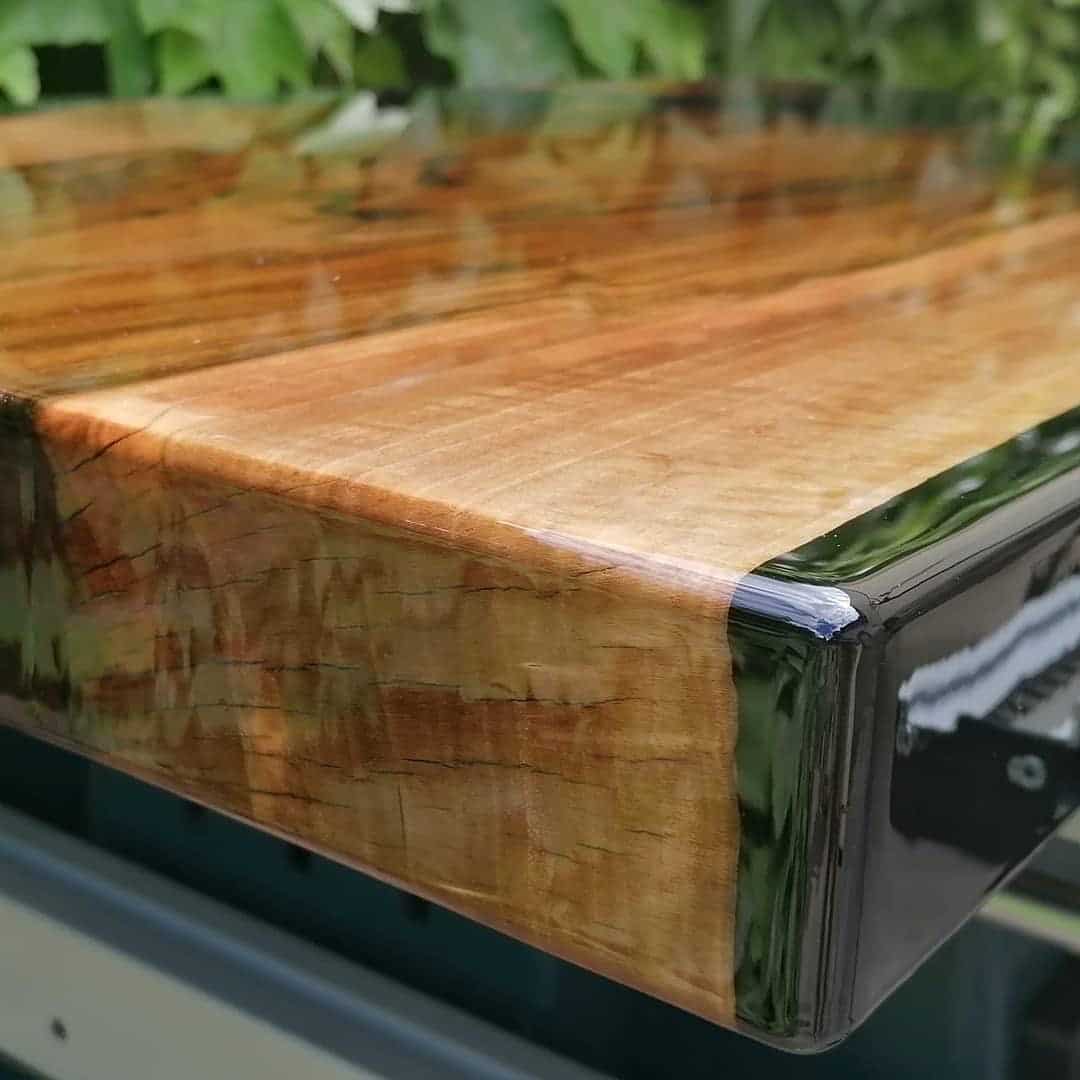
The delicate web of fine cracks, also known as crazing, on your resin surface can be disheartening after completing a project. Understanding why this happens is the first step towards creating lasting, flawless resin finishes.
Key Causes of Fine Cracks in Surface Resin
Cracks in surface resin usually develop due to a combination of pouring technique, how the resin cures, and exposure to environmental factors. Common culprits include:
- Pouring too thickly: Excess resin in a single pour can trap heat, causing shrinkage and stress as it cures.
- Thermal shock: Sudden changes in temperature during or after curing may stress the resin, leading to fine cracks over time.
- Poor UV protection: If the resin lacks adequate UV filtering, long-term exposure to sunlight can lead to surface degradation, causing crazing.


How to Minimise Cracks in Resin Surfaces
For beautiful, crack-free results, it’s important to use products designed for your project requirements and to follow best practices during application:
- Choose the right resin: Use resins formulated for your intended pour thickness. For example, Epoxytable 10-Ten allows deep pouring for large projects with a controlled exothermic reaction.
- Layering technique: When working on large or deep pieces, pour in thinner layers, allowing each to partially cure before adding the next. This reduces the risk of trapping excessive heat.
- Cure in stable conditions: Avoid direct sunlight, drafts, or rapid temperature changes while the resin cures, and always read the manufacturer’s guidelines for best results.
When This Matters Most
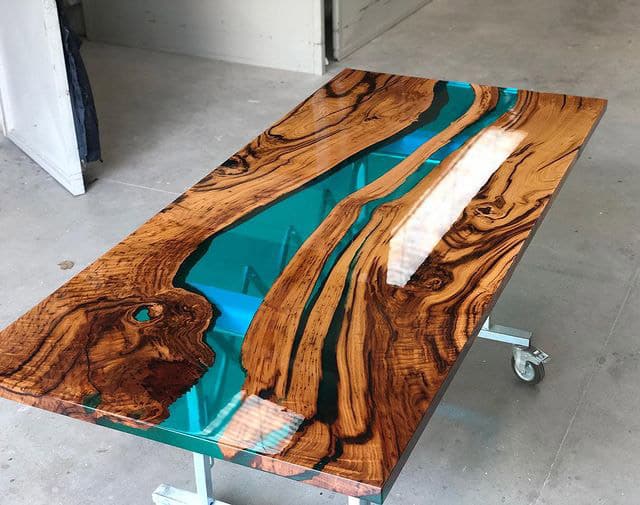
You’ll particularly want to address fine cracks when creating tabletops, river tables, or clear coatings intended for visual appeal and structural longevity. Choosing a resin with good UV resistance, like Icrystal, also helps preserve clarity and integrity on surfaces exposed to natural light.
Related products
Related guides
Paying attention to resin selection and application technique is essential for flawless results. To learn more about the broader causes of cracking and how to avoid them, see our in-depth advice on why resin cracks.