 Free shipping on orders over £29,85
  Shipping Tracking!


 Google
 Facebook
← Back to Why does resin crack?

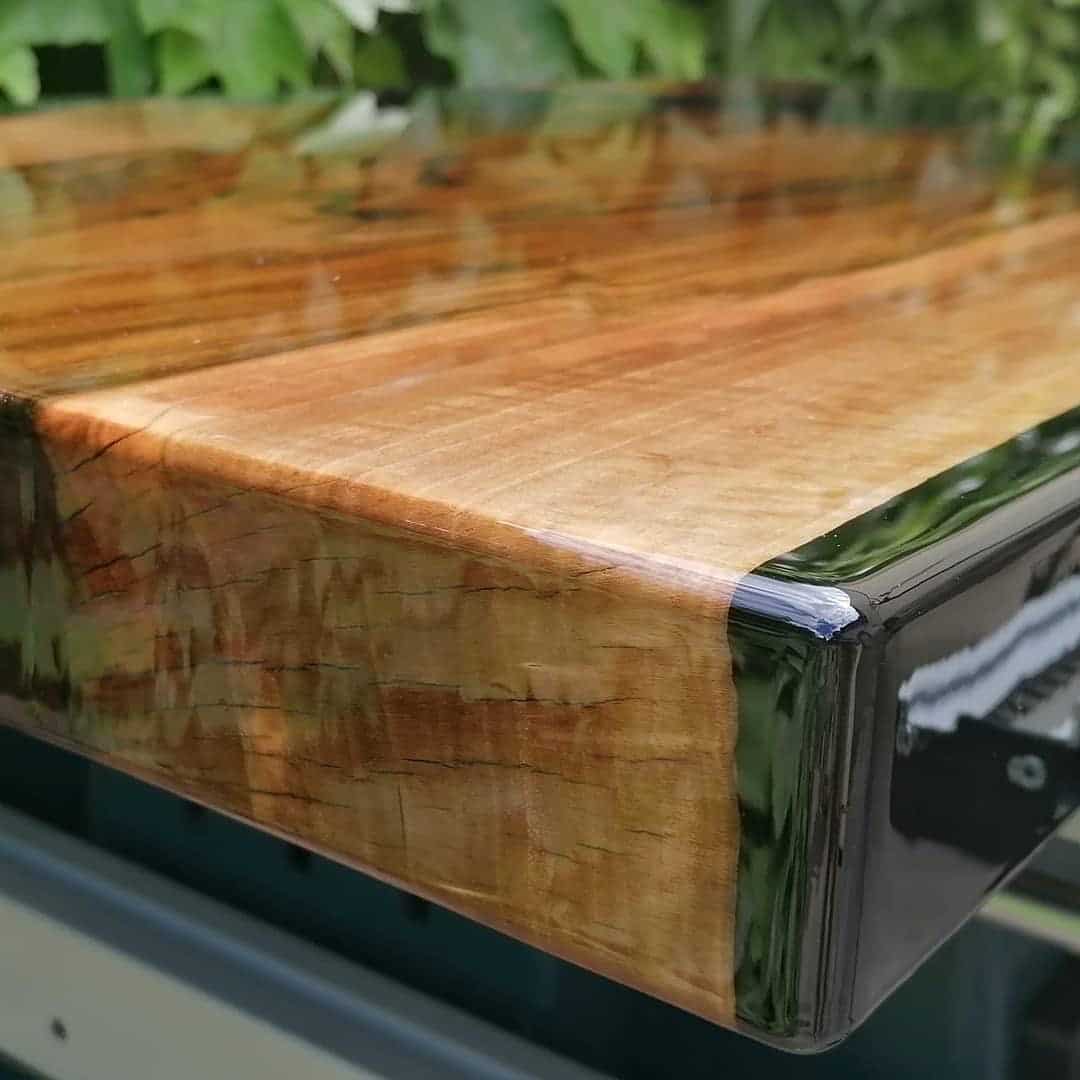
When pouring thick layers of epoxy resin for projects such as tables or river artwork, managing heat build-up during curing is crucial. A low exothermic reaction resin is engineered to minimise the risk of cracking caused by excessive heat, keeping large-scale pieces clear and structurally sound.
Why Heat Causes Cracking in Thick Resin Pours
Epoxy resin naturally creates heat (an exothermic reaction) as it cures. In thick pours, heat can build up faster than it can dissipate. If the temperature rises too much, the resin can crack as it cools, warp, or even discolour. This is especially a concern when creating pieces wider than 100cm or with a total resin volume exceeding 8kg.


Choosing a Low Exothermic Epoxy for Deep Casts
To limit heat accumulation, specialised deep-pour epoxies like Epoxytable 10-Ten use a low exothermic formula. This allows for safe pours up to 10cm in a single stage, reducing the likelihood of overheat cracking. For extremely large projects, it’s often recommended to pour in multiple layers, waiting 6–8 hours between each to ensure safe curing conditions.
Practical Tips for Pouring Thick Resin Layers
- Always follow manufacturer guidelines for maximum pour thickness.
- For projects over 100cm or using more than 8kg resin, pour in two or more layers, allowing sufficient time between them.
- Ensure the work area is well-ventilated and at a stable temperature.
- Opt for deep casting resins designed for low heat build-up to maintain clarity and strength.
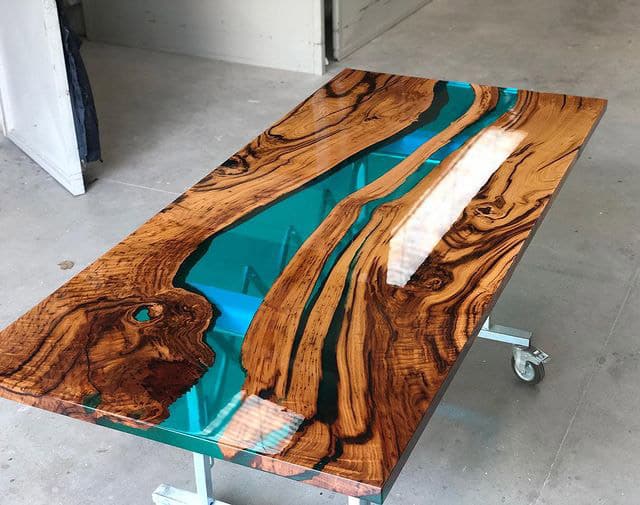
When Low Exotherm Matters Most
If you are planning a large-scale table, a resin river feature, or any project requiring thick, single-pour castings, selecting a low exothermic epoxy is especially important. It helps prevent crack formation and ensures a beautiful, durable result.
Related products
Related guides
Managing heat generation with the right resin and casting strategy is essential to avoid cracks in thick pours. For more advice on avoiding resin cracking and choosing the correct product for your next project, see our main guide on why resin cracks.