 Free shipping on orders over £29,85
  Shipping Tracking!


 Google
 Facebook
← Back to Which thinner should be used for epoxy paint?
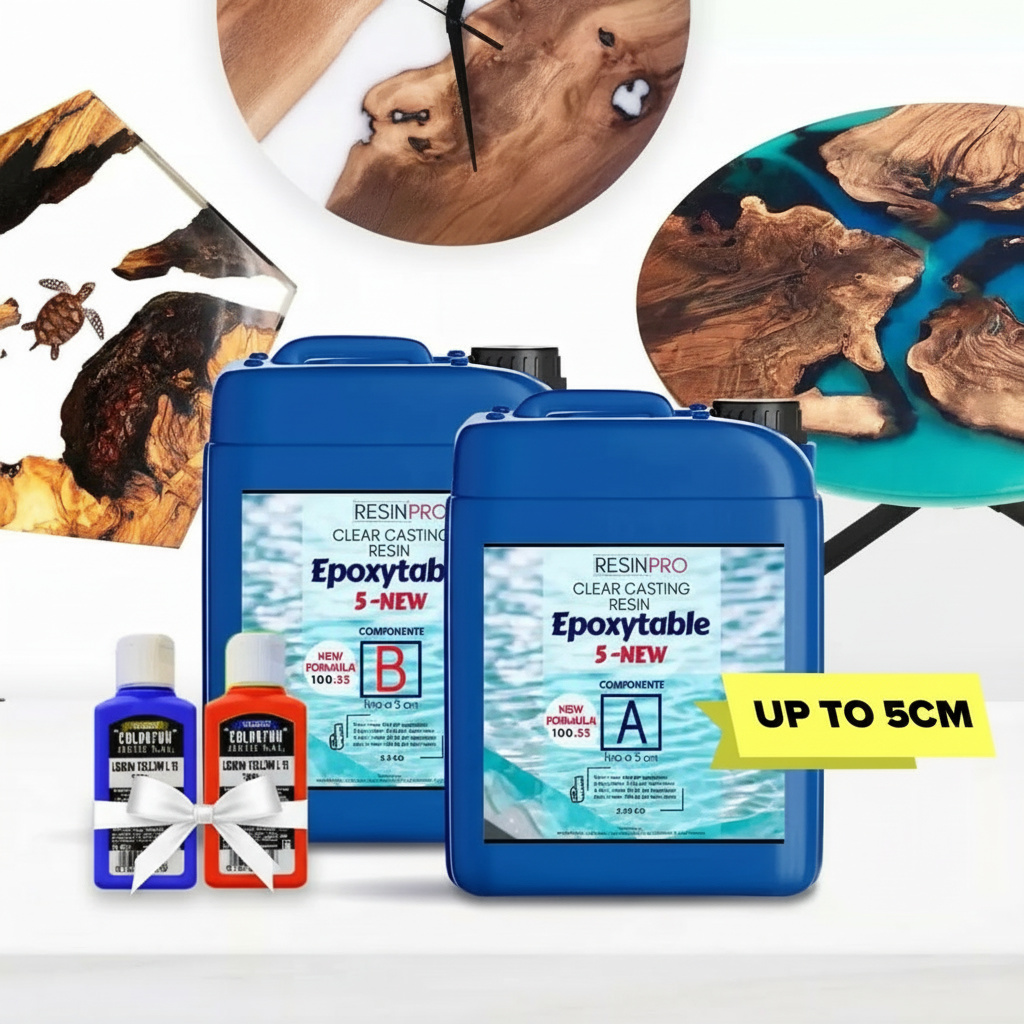

Understanding the difference between low and high viscosity epoxy is crucial for achieving the best results in resin projects. Each type suits specific techniques, and choosing the right formulation can make the difference between a perfect cast and a frustrating experience.
Low Viscosity Epoxy: When to Use It
Low viscosity epoxy is free-flowing and self-levelling. This makes it ideal for deep pours, such as creating river tables, thick castings, and projects that require the resin to easily penetrate molds or fill large spaces. Its fluidity helps bubbles rise and escape, promoting a clear, glass-like finish. For example, EpoxyTable 5-Five is specifically designed for deep pouring tasks, with low viscosity enabling up to 5cm single-layer casts without excessive heat build-up.


High Viscosity Epoxy: Precision and Surface Work
High viscosity epoxy is much thicker, allowing greater control during application. This is essential for artistic uses, such as resin painting, geode art, and glossy finish layers on coasters or trays, where flow needs to be restricted. Products like Art Pro Deluxe are formulated to stay in place and prevent colours from bleeding into one another, delivering precise lines and effects when detail matters most.
Choosing the Right Viscosity for Your Project
- If you’re filling moulds, casting tables, or working in thick layers, opt for a low viscosity resin for better flow and bubble release.
- For surface coating, fine artwork or smaller decorative pieces where shape and design definition are important, a high viscosity epoxy is best.
- Medium viscosity resins, such as Art Pro, offer a balanced option for general art surfaces and thin protective coats.

When Viscosity Matters Most
The viscosity of your epoxy becomes especially important when working at different thicknesses or with detailed designs. Selecting the right type helps achieve smooth casting, crisp lines, and the desired surface finish without unnecessary complications.
Related products
Related guides
Whether you need flawless deep pours or detailed surface effects, understanding epoxy viscosity sets the foundation for great results. For more advice and FAQs, explore our main page on epoxy thinners and application tips.