 Free shipping on orders over £29,85
  Shipping Tracking!


 Google
 Facebook
← Back to Which epoxy resin is best for wood?
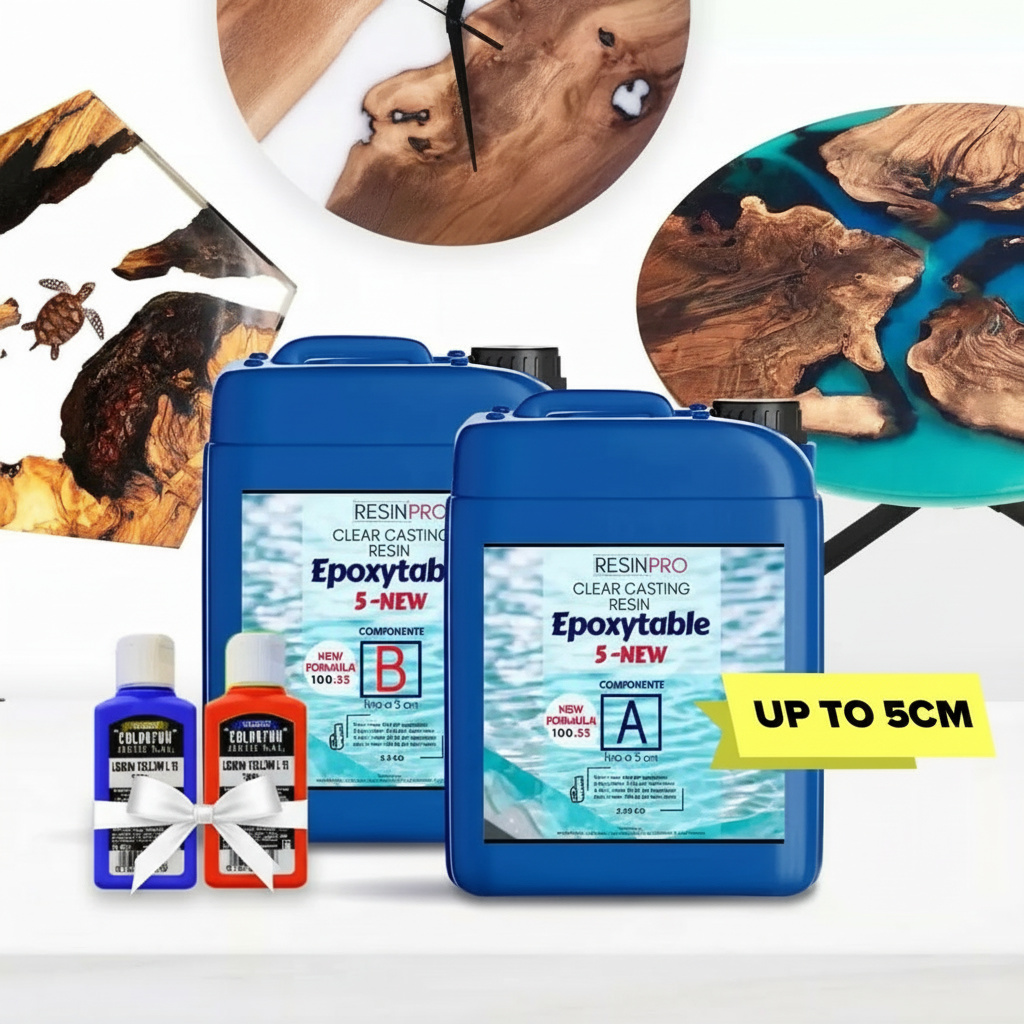
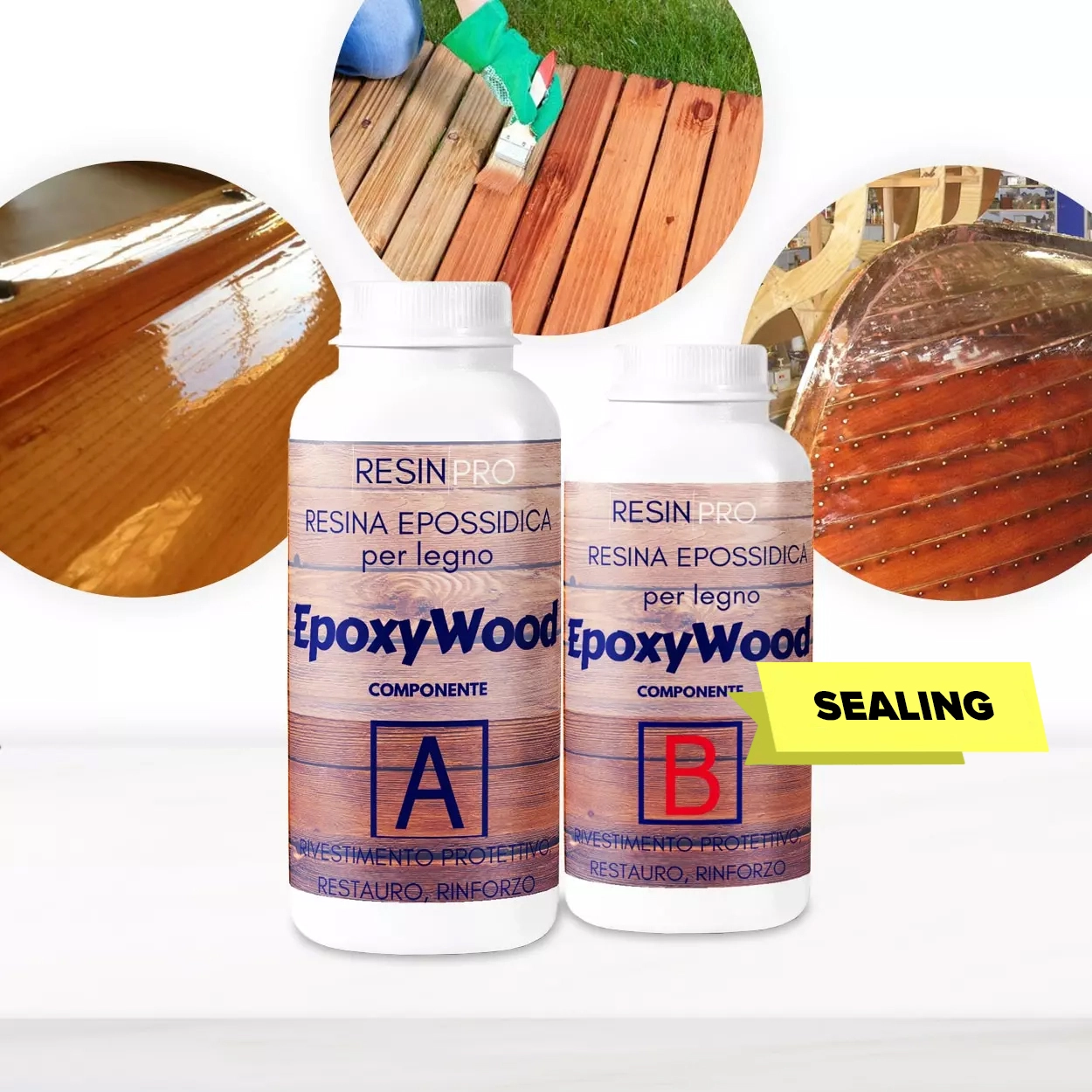
When planning a project with epoxy resin, deciding whether to use the same product for wooden furniture and artistic work depends on your specific requirements. Not all resins are equally suitable for every use.
Key Differences Between Furniture and Art Epoxies
Furniture projects—like tables, countertops or repairs—often require an epoxy that can be poured in thick layers, resists scratches, and offers strength and stability. In contrast, resin for art is usually chosen for clarity, UV resistance, and suitability for thin layers or fine detail. Always check the recommended pour depth for each product, as this affects the outcome and durability of the piece.

How to Select the Best Resin for Your Project
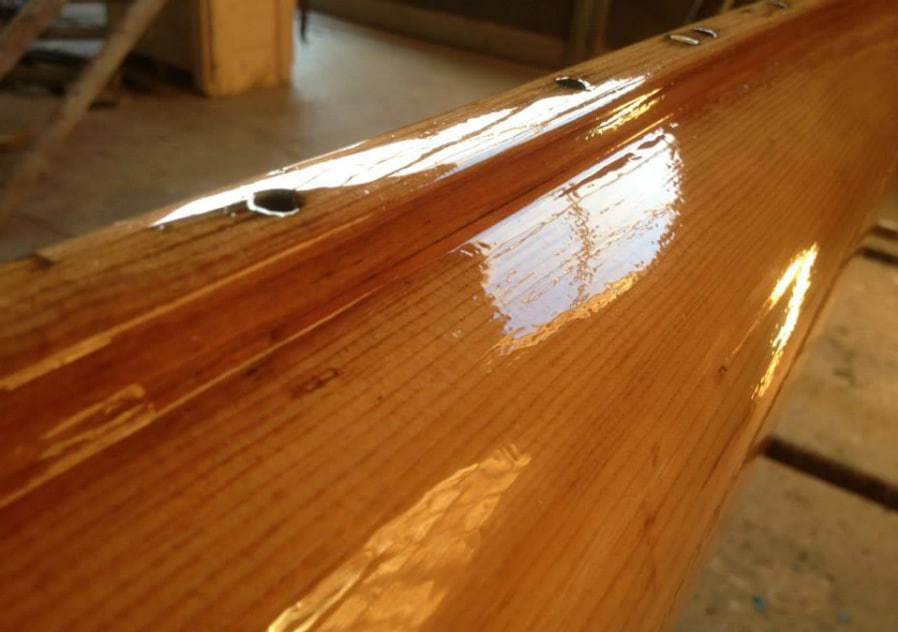
For substantial woodwork or deep pour projects, look to specialist products such as EpoxyTable 5-Five, designed to create thick, strong, bubble-free castings up to 5cm deep. Restoration or reinforcing of wood can benefit from a low viscosity wood resin like EpoxyWood. If your art involves only a thin surface layer, a general coating epoxy—especially one with clarity and UV protection—will usually suffice. For surfaces that may contact food, EpoxyFood provides a transparent, food-contact safe finish for peace of mind.
When Does This Matter Most?
- Deep pours: Furniture with thick layers, such as river tables, demands a resin formulated for stability at those depths.
- Artwork details: For delicate pieces or thin coatings, use a resin tailored to thin applications and excellent clarity.
- Functional needs: If your item must be waterproof, robust, or food-safe, a dedicated product ensures the required properties.

Related products
Related guides
Choosing the right epoxy for your intended use helps you achieve a lasting and attractive result, whether for practical furniture or artistic expression. For further detail on making the best selection, see the complete guide on which epoxy resin is best for wood.