 Free shipping on orders over £29,85
  Shipping Tracking!


 Google
 Facebook
← Back to Which resin is best for an aquarium?
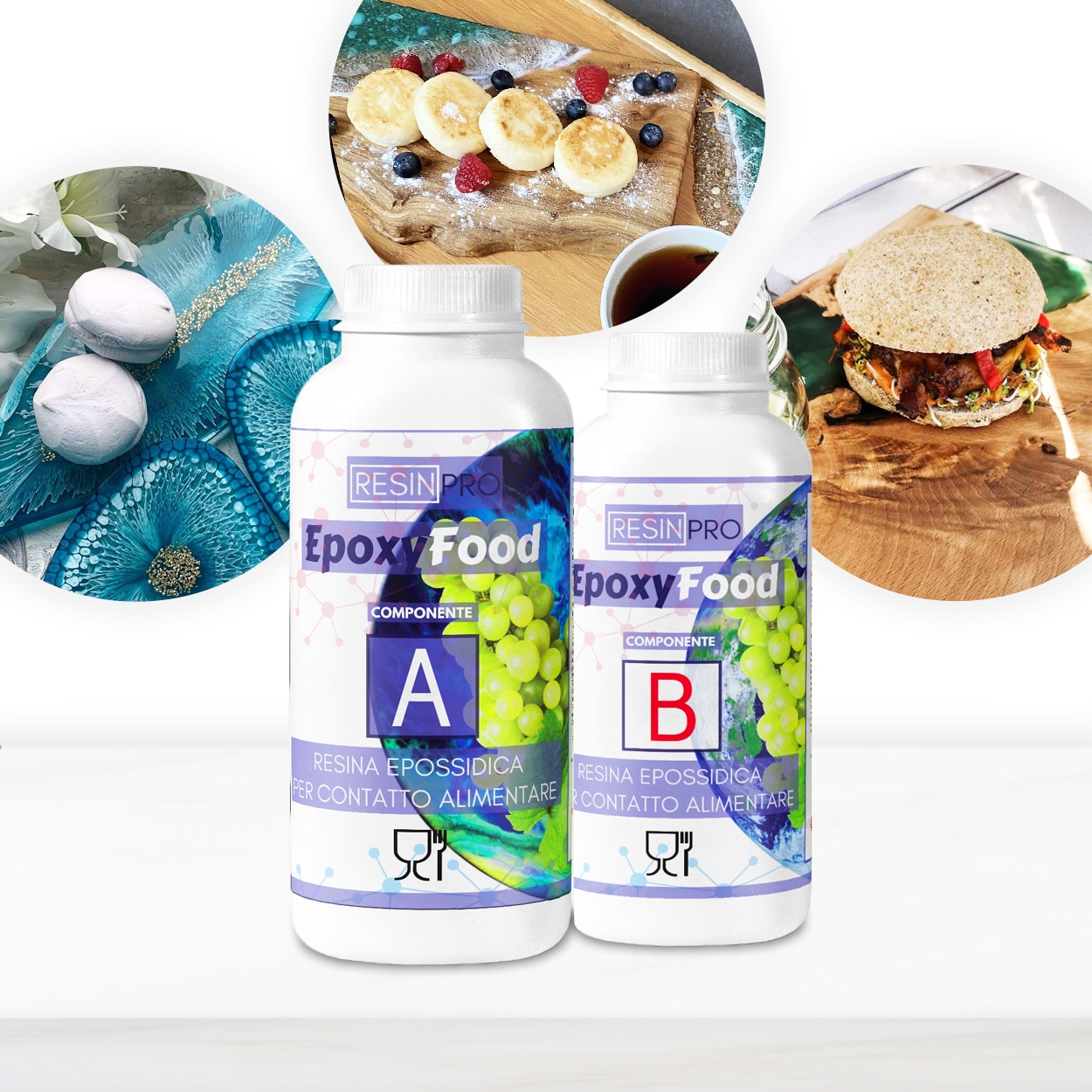
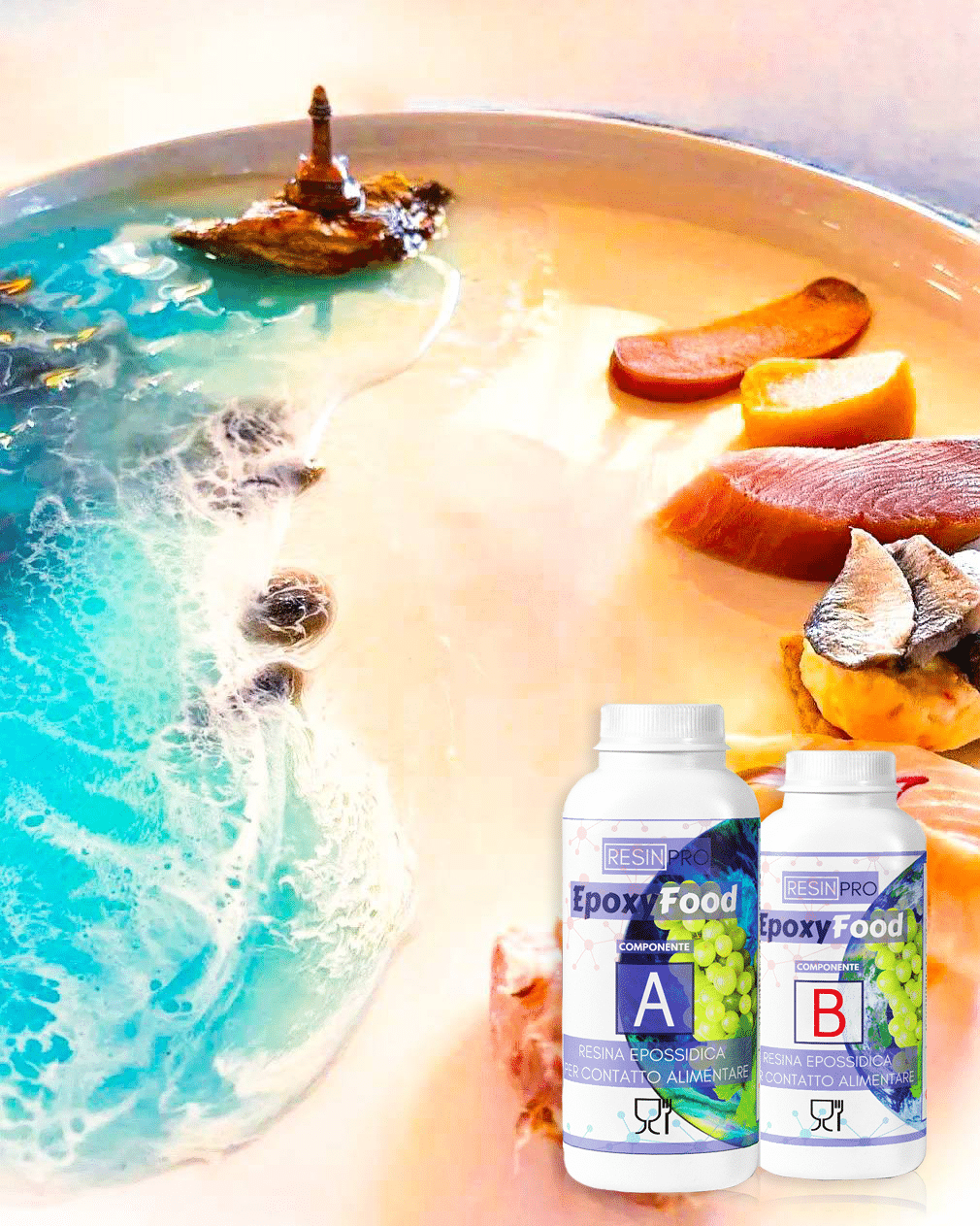
When planning an aquarium project, ensuring the safety of your aquatic life is essential. Using a food-safe resin is a practical solution for coated surfaces that come in contact with water and aquarium inhabitants.
Why Choose Food-Safe Epoxy for Aquariums?
Food-safe epoxy resins, such as EpoxyFood, are designed to limit leaching and are tested for safe contact with consumable goods. This means they offer an extra layer of reassurance when used in aquatic settings, where fish and plants may touch or swim near coated decorations, backgrounds, or substrates. A properly cured food contact resin reduces the risk of contamination in your aquarium, helping to maintain water quality and healthy tank conditions.
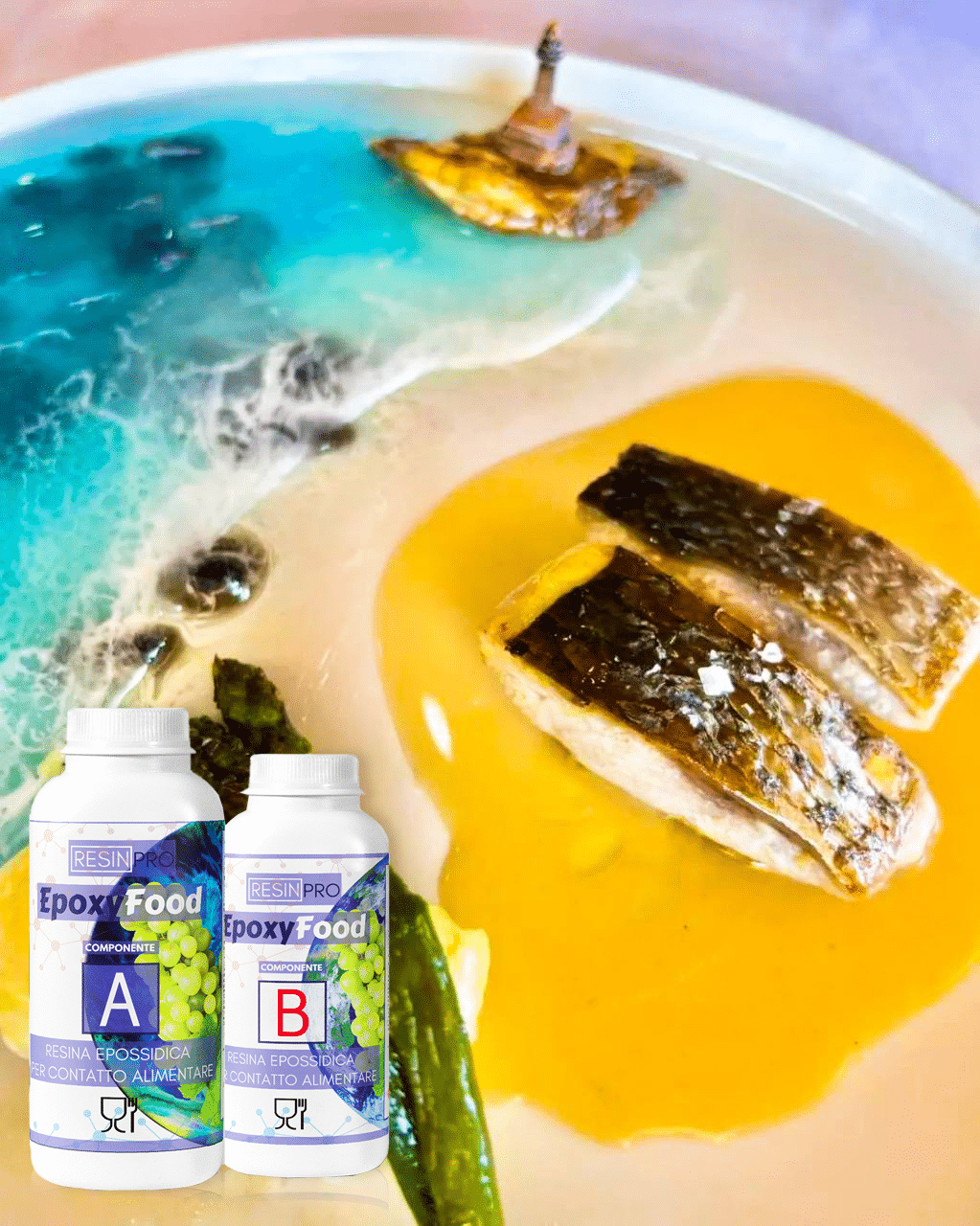

Key Considerations for Aquarium Use
- Proper Mixing and Curing: Only fully mixed and cured resin should be introduced to the tank, as uncured substances may release unwanted compounds.
- Surface Preparation: Apply resin to clean, dry surfaces as per the manufacturer’s instructions, and allow extended curing time before any aquatic contact.
- Maintenance: Regularly monitor the aquarium after introducing any resin-coated item for changes in water chemistry or animal behaviour.
When Food-Safe Resin Matters Most
Food-safe epoxy is especially important in tanks with delicate species, invertebrates, or if you’re crafting decorative pieces that will be submerged long-term. Its clear finish also keeps your aquatic landscape looking natural and vibrant.

Related products
Related guides
Choosing a food-safe resin like EpoxyFood gives added confidence for aquarium projects. For a deeper dive into the best resin choices for aquariums, visit our main Which resin is best for an aquarium? guide.