 Free shipping on orders over £29,85
  Shipping Tracking!


 Google
 Facebook
← Back to Which resin adds body to metal?
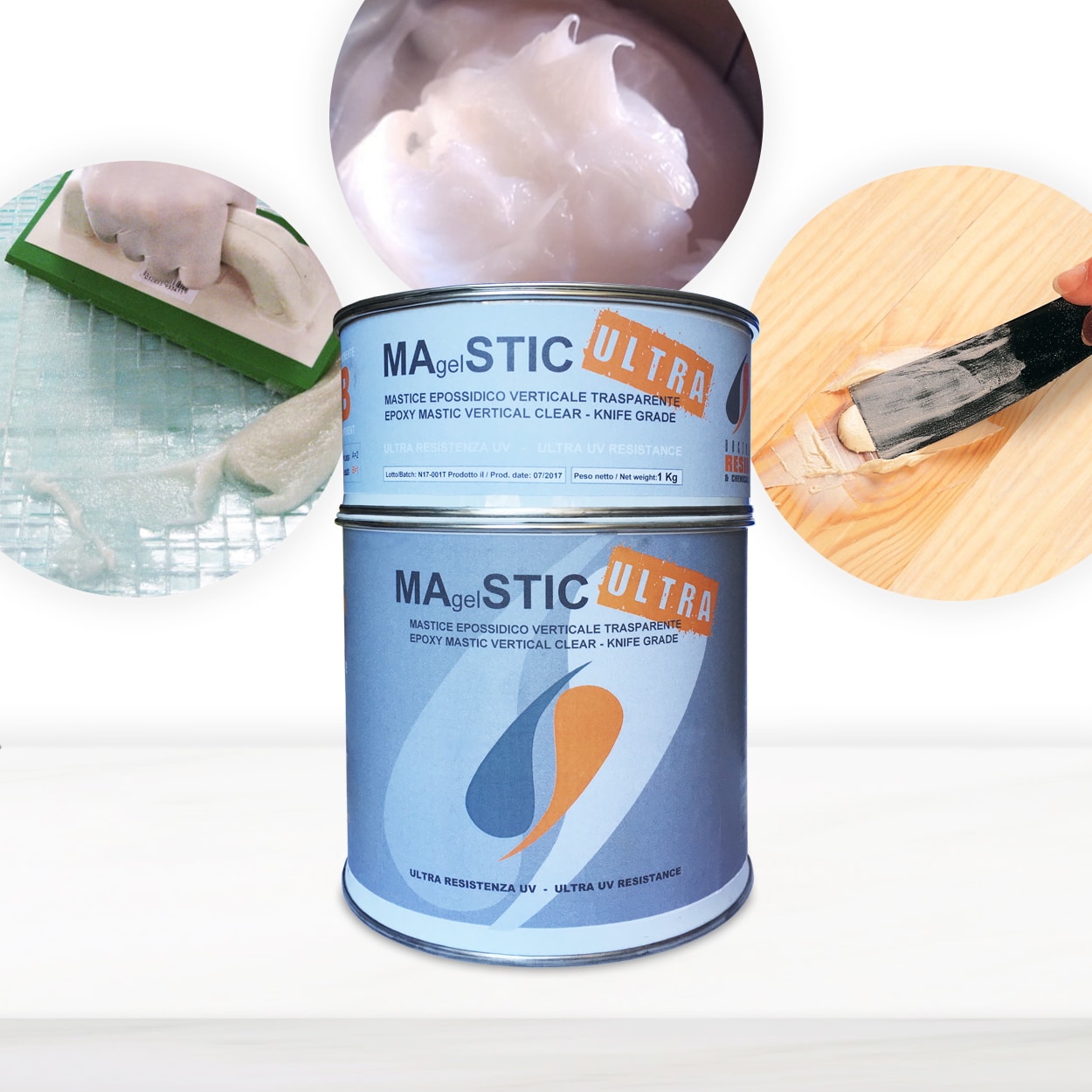
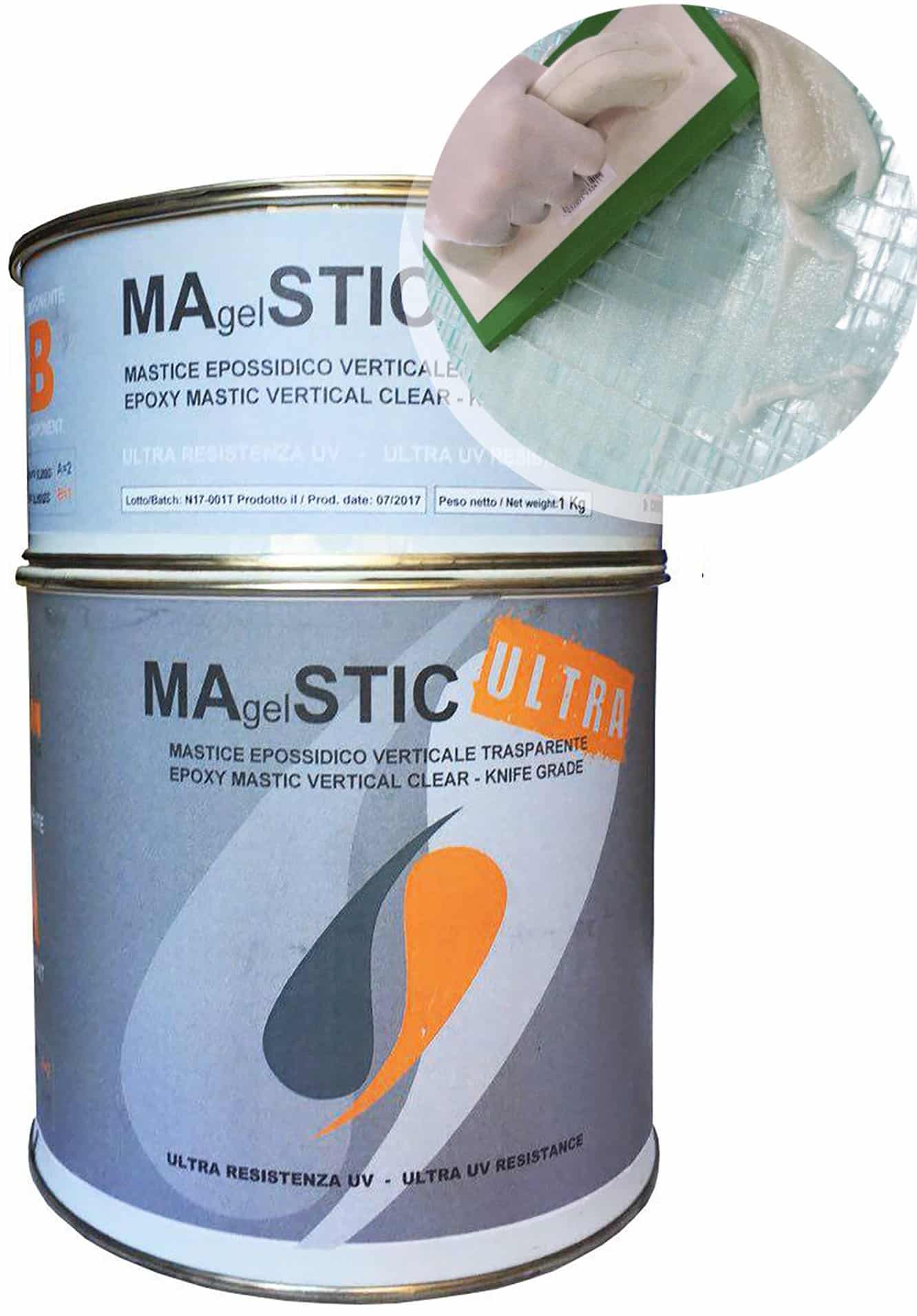
Adds-on or restoration jobs involving metal surfaces often present a challenge—especially where the profile is vertical or irregular. Choosing the right resin ensures your repair is easy to apply, resists sagging, and delivers durable results.
Choosing a Resin That Holds Its Shape
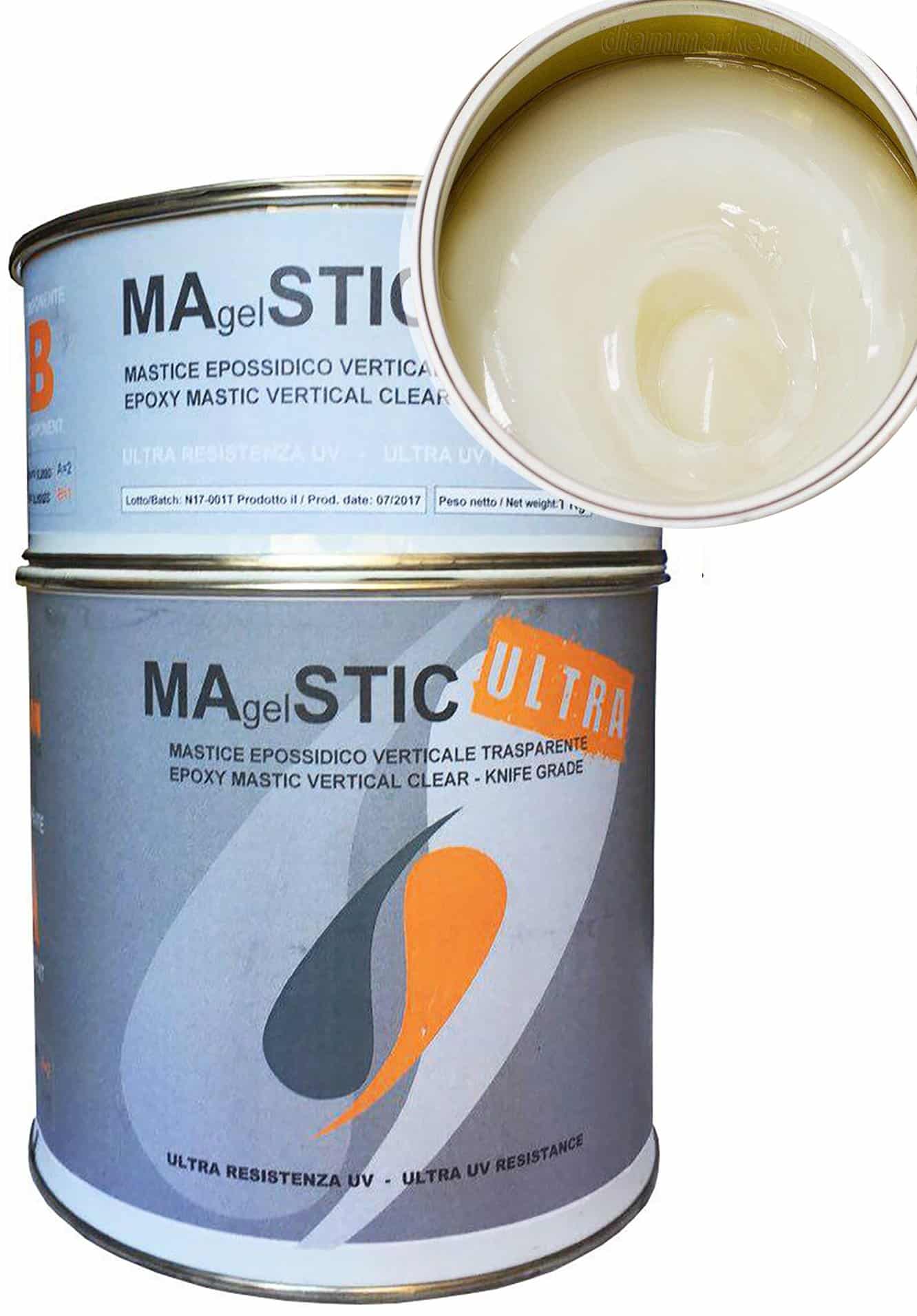
Conventional resins may drip or run off slanted, curved, or upright metal forms. For best results, select a thixotropic or high-viscosity formula. Thixotropic epoxies, such as “Magelstick” epoxy mastic, are specifically formulated to stay in place without sagging, making them ideal for gap filling and bonding across vertical or uneven surfaces. For artistic applications, ultra-high viscosity resins also help maintain clean lines and thickness during application.
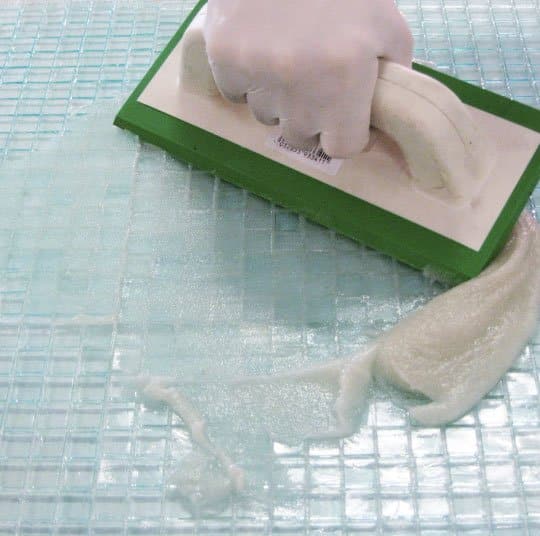
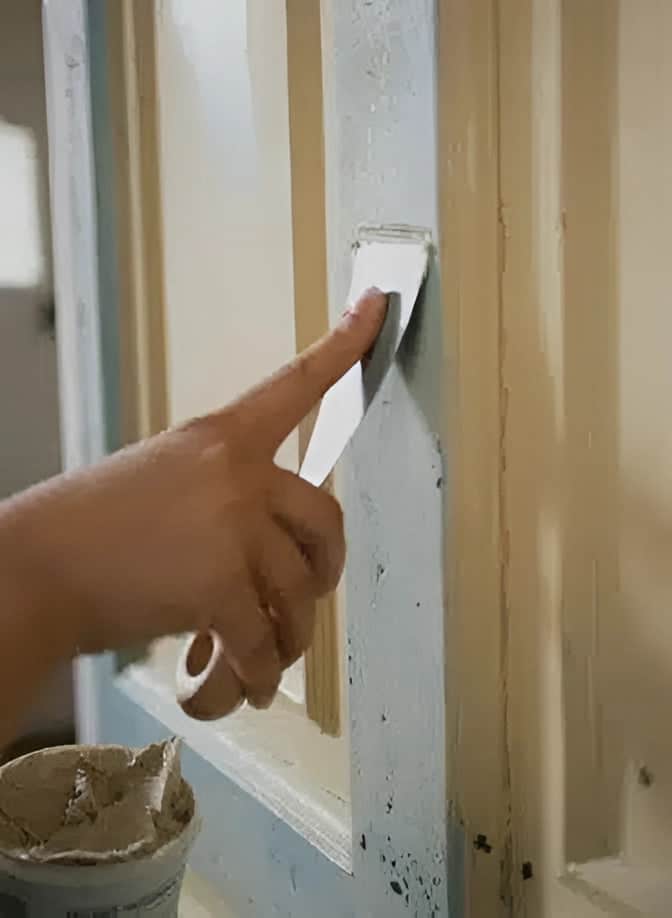
Tips for Application and Strong Results
- Always prepare the metal surface—remove dust, grease, and oxidation for optimal adhesion.
- Work in small batches if the product allows, ensuring thorough mixing and less waste.
- Apply with a spatula or trowel for mastics, or brush/roller for high body coatings, paying attention to corners and irregular features.
- Observe the recommended minimum temperature (e.g., above 10°C for “Magelstick”) for proper cure and handling.
When This Matters Most
Adding body to vertical or irregular metal surfaces is especially important in restoration, metal cladding repair, and when weather resistance is a must. Products with stable mechanical strength and UV resistance ensure repairs or decorative work last, even outdoors or in exposed areas.
Related products
Related guides
Resins designed to add body to metal—especially on vertical or challenging surfaces—open up new possibilities in restoration, repair, and decorative work. To discover more options for giving metal surfaces structure and durability, visit our main guide on which resin adds body to metal.