 Free shipping on orders over £29,85
  Shipping Tracking!


 Google
 Facebook
← Back to Which resin resists salt corrosion?

For marine composites and boat surfaces that encounter salt water, it’s essential to use a resin suitable for the right fibre materials. Here, we clarify which fibres Carbon Resin is specifically designed to bond with – ensuring enduring, professional-grade results in salty or challenging environments.
What Fibres Is Carbon Resin Formulated For?
Carbon Resin is expertly developed for bonding and impregnating both carbon fibre and fibreglass. These two materials are widely used in boat building and composite component manufacture due to their strength and resistance to various environmental stresses. The resin’s specific formulation ensures a thorough saturation of technical fabrics, producing a solid, reliable laminate with high impact resistance and a glossy, smooth surface.
- Carbon fibre: Ideal for lightweight, strength-critical applications.
- Fibreglass: Favoured for durability, affordability, and ease of use.

Using Carbon Resin for Saltwater Boats & Composite Surfaces
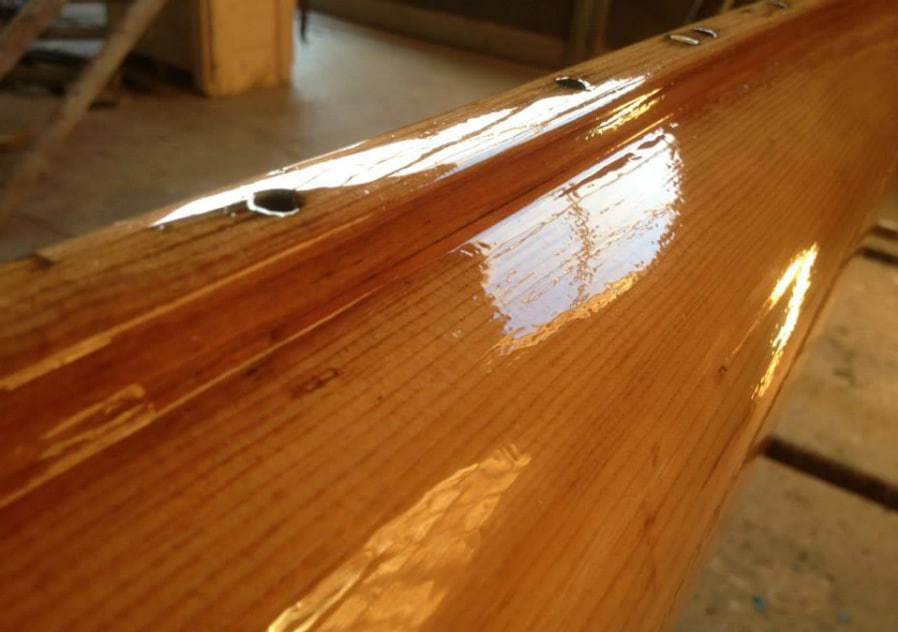
When working on marine repairs or creating new salt-exposed parts, Carbon Resin’s ability to impregnate carbon fibre and fibreglass makes it the preferred choice for hulls, decks, and technical panels. It cures at room temperature and helps maintain the integrity of composite structures subject to salt spray and water exposure. For best results, ensure surfaces are clean, dry, and fibres are well laid to allow optimal resin bonding.
The Carbon Resin Epoxy provides easy application and reduces the risk of bubbles or weak spots, whether you’re a technician or an experienced DIYer.
When This Matters
Fibre compatibility is especially important when strength, long life, and moisture resistance are a priority. For boats, kayaks, or technical panels in marine environments, using the right resin with either carbon fibre or fibreglass ensures that your repairs or builds will stand up to the rigours of saltwater and frequent use.

Related products
Related guides
By choosing a resin formulated specifically for carbon fibre and fibreglass, you help safeguard composite structures in marine and salt-exposed environments. Explore more about resins that resist salt corrosion for a durable, professional finish on the parent guide.