 Free shipping on orders over £29,85
  Shipping Tracking!


 Google
 Facebook
← Back to Which resin resists salt corrosion?
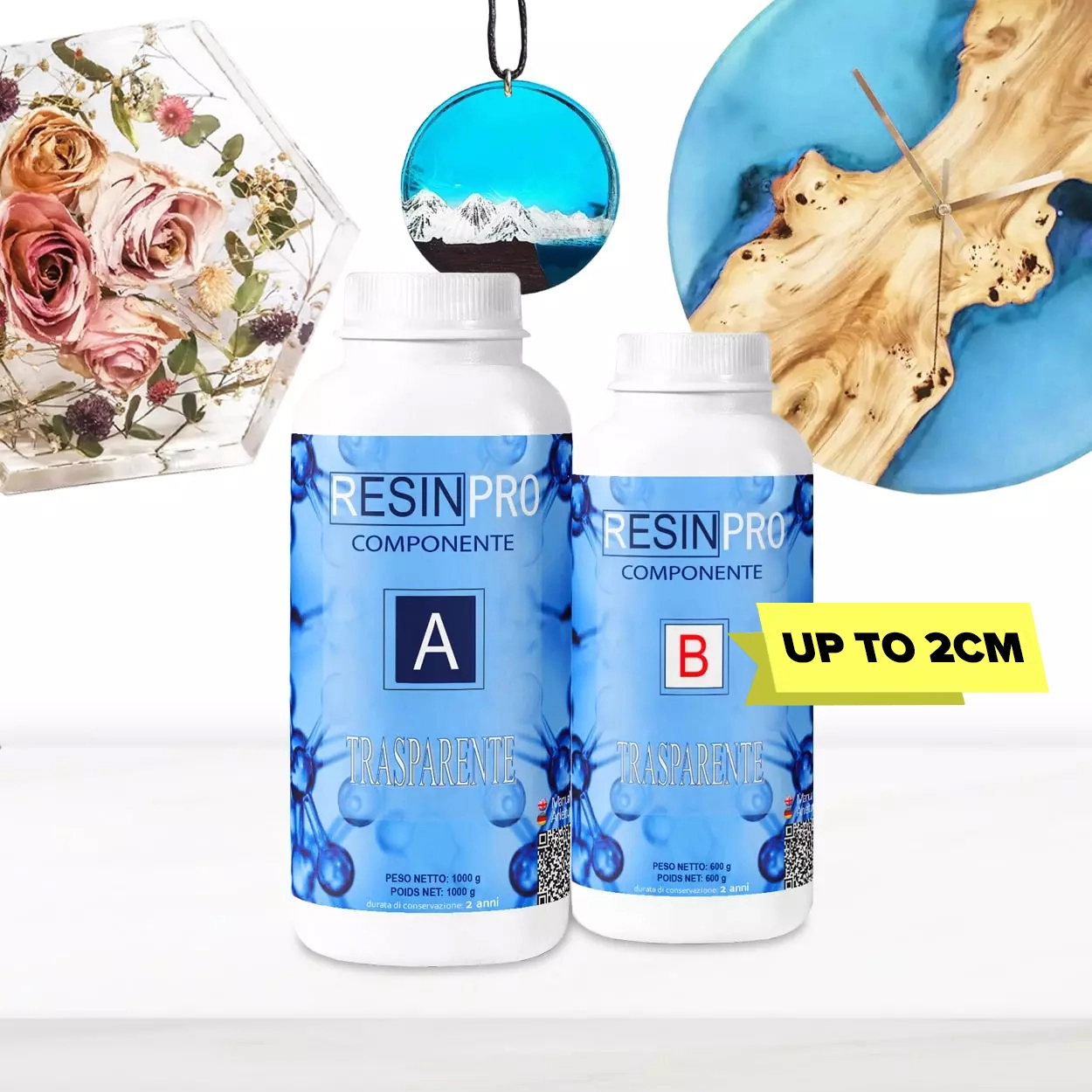
Getting the right thickness for your salt-resistant resin casting is key for a reliable, glossy result that can handle harsh environments. Here’s what to consider when planning your pour.
Choosing the Right Resin by Thickness
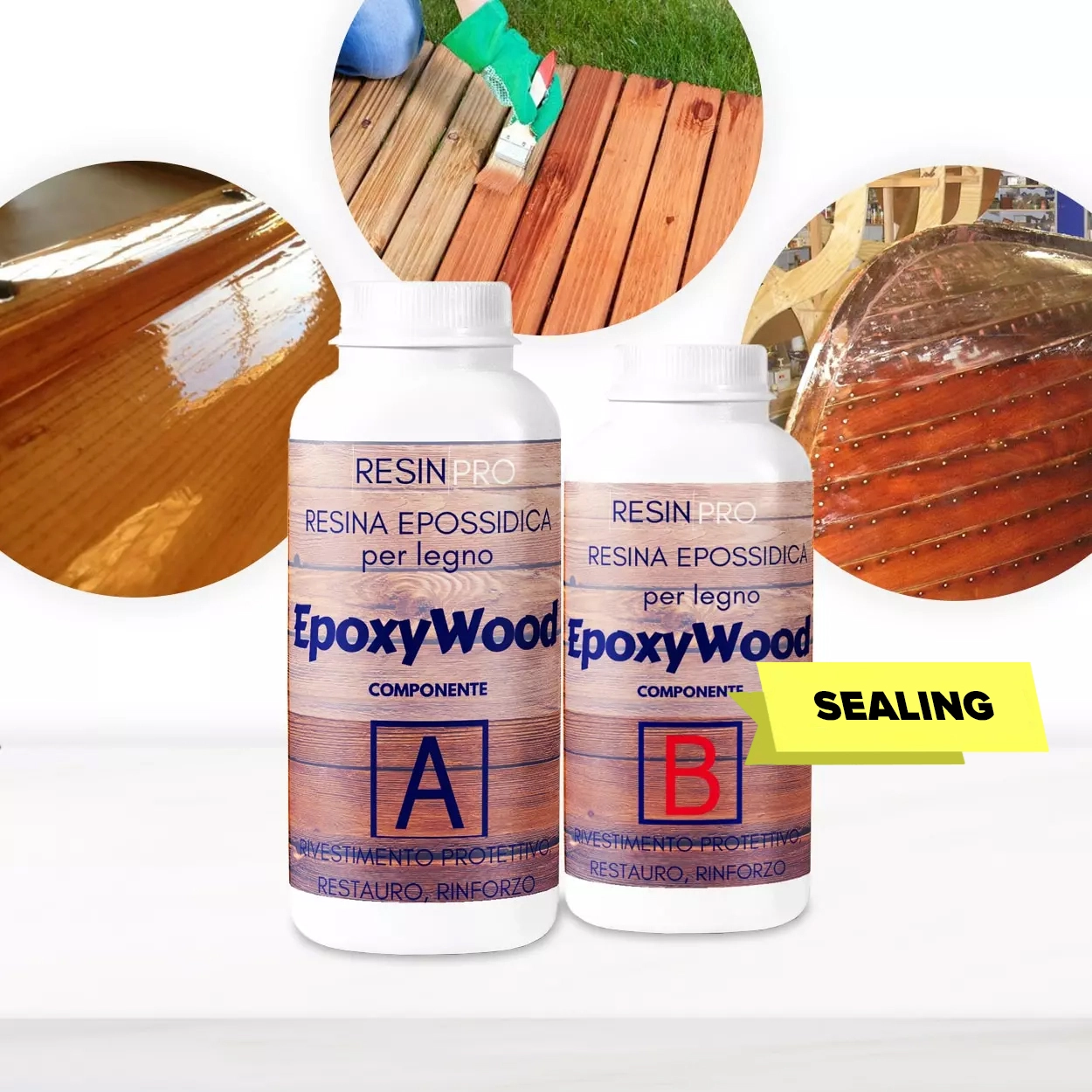
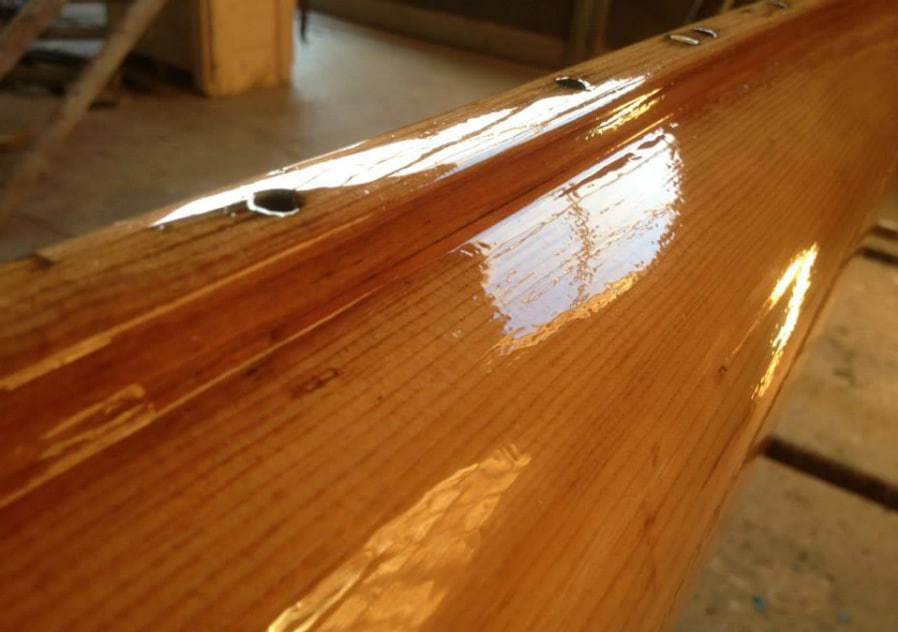
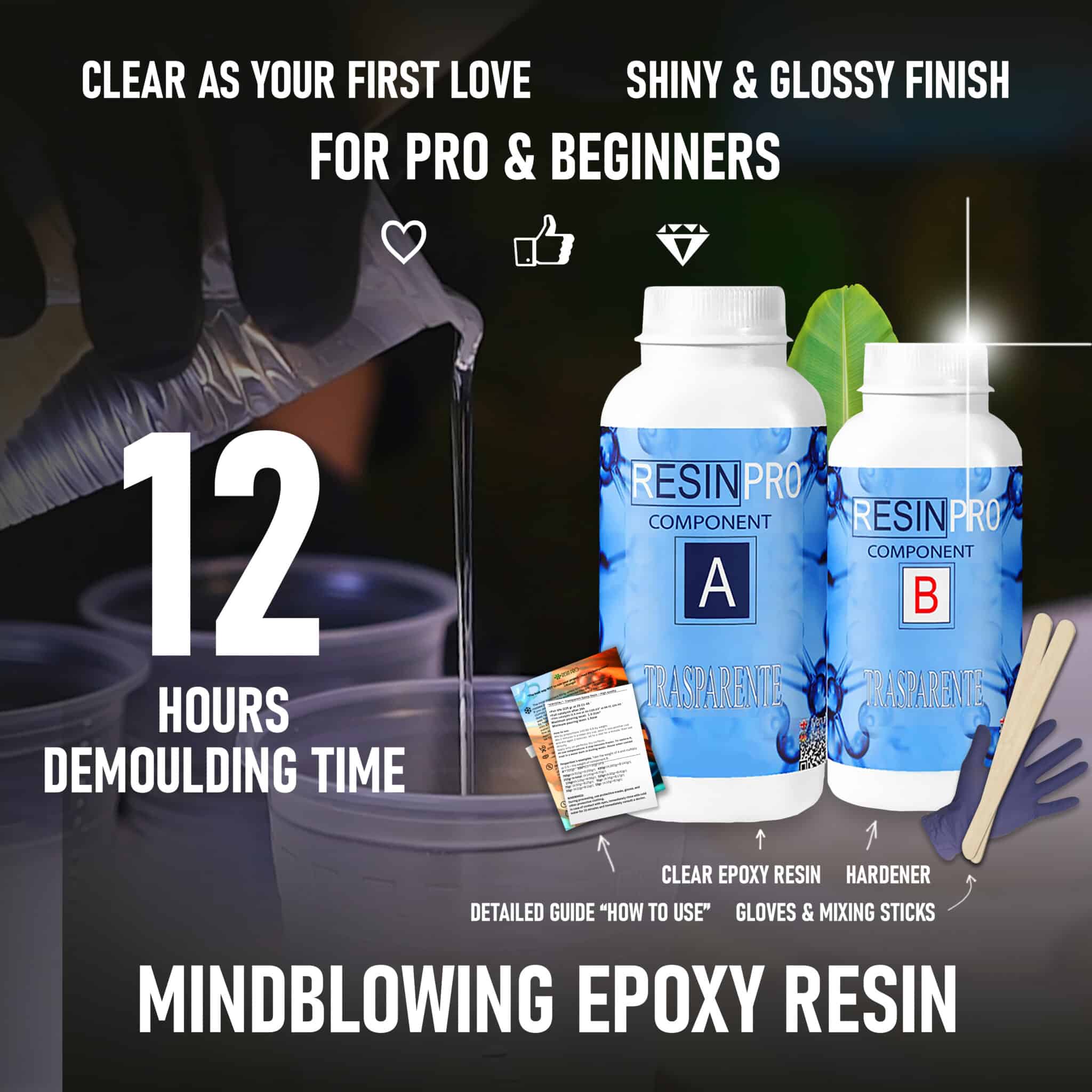
Different resins have optimal casting thicknesses. For crystal-clear layers up to 2cm, Trasparente is well suited to art, jewellery, and tabletops where a glass-like finish is needed. For very thin castings or durable coatings—such as for wood or outdoor surfaces—Icrystal covers up to 1.5cm per layer, offering robust scratch and UV resistance. When working with wood or reinforcing structures exposed to salt air or water, a specialised resin like EpoxyWood provides deep penetration and effective waterproofing, though it is not intended for thick castings.
Practical Advice for Salt-Exposed Casting
Always pour resins within their recommended maximum thickness: exceeding 2cm with standard casting resin may trigger rapid heat build-up, risking yellowing or cracks. For thicker pours or larger volumes, select a formulation specifically designed for depth, or cast in multiple layers allowing each to cure before adding the next. Thorough surface prep—drying, sanding, and degreasing—enhances durability, especially for weather-exposed pieces.
When Layer Thickness Matters Most
Projects for marine use, outdoor furniture, or decorative features near coastal areas demand special care in resin and thickness choices. Thicker sections in a single pour can lead to overheating and compromised finishes, particularly where salt or moisture may accelerate wear. Following the manufacturer’s guidelines ensures a lasting, professional result in demanding environments.

Related products
Related guides
Making informed choices around resin type and casting thickness is crucial when aiming for long-lasting, salt-resistant results. For more on choosing the ideal resin, see our detailed guidance at Which resin resists salt corrosion?.