 Free shipping on orders over £29,85
  Shipping Tracking!


 Google
 Facebook
Which resin resists mineral spirits?
A comprehensive guide to epoxy resins and solvent resistance.

Choosing the right resin when exposure to harsh solvents like mineral spirits is a concern is crucial for durable, long-lasting results. This guide is designed for woodworkers, artists, DIY enthusiasts, and professionals seeking an epoxy resin with excellent resistance to chemicals, especially mineral spirits. We compare top options and clarify the strengths of each so you can select the best solution for your particular project—whether it’s casting, coating, or composite work.
Resin Resistance to Mineral Spirits: Key Differences Explained
When evaluating which epoxy resin offers optimal resistance to mineral spirits, understanding formulation and intended uses is key. All high-quality epoxy resins provide some resistance to common household solvents, but performance varies based on the product’s chemical structure, thickness, and curing. Ultra-clear formula resins prioritise visual clarity and self-levelling, while others—especially those made for composites—offer enhanced durability and impact resistance. UV filters, scratch resistance, and layer thickness also play a role in long-term solvent resistance. Below, we highlight the distinctions that matter most for anyone needing confidence against solvent exposure.

Why Chemical Resistance Matters in Epoxy Resins
High chemical resistance is essential for surfaces cleaned with mineral spirits or exposed to solvents. It not only preserves clarity and gloss but also ensures structural integrity and longevity in furniture, artwork, and technical assemblies. Choosing the right resin enhances project resilience and appearance, saving time and money on repairs or recoating.
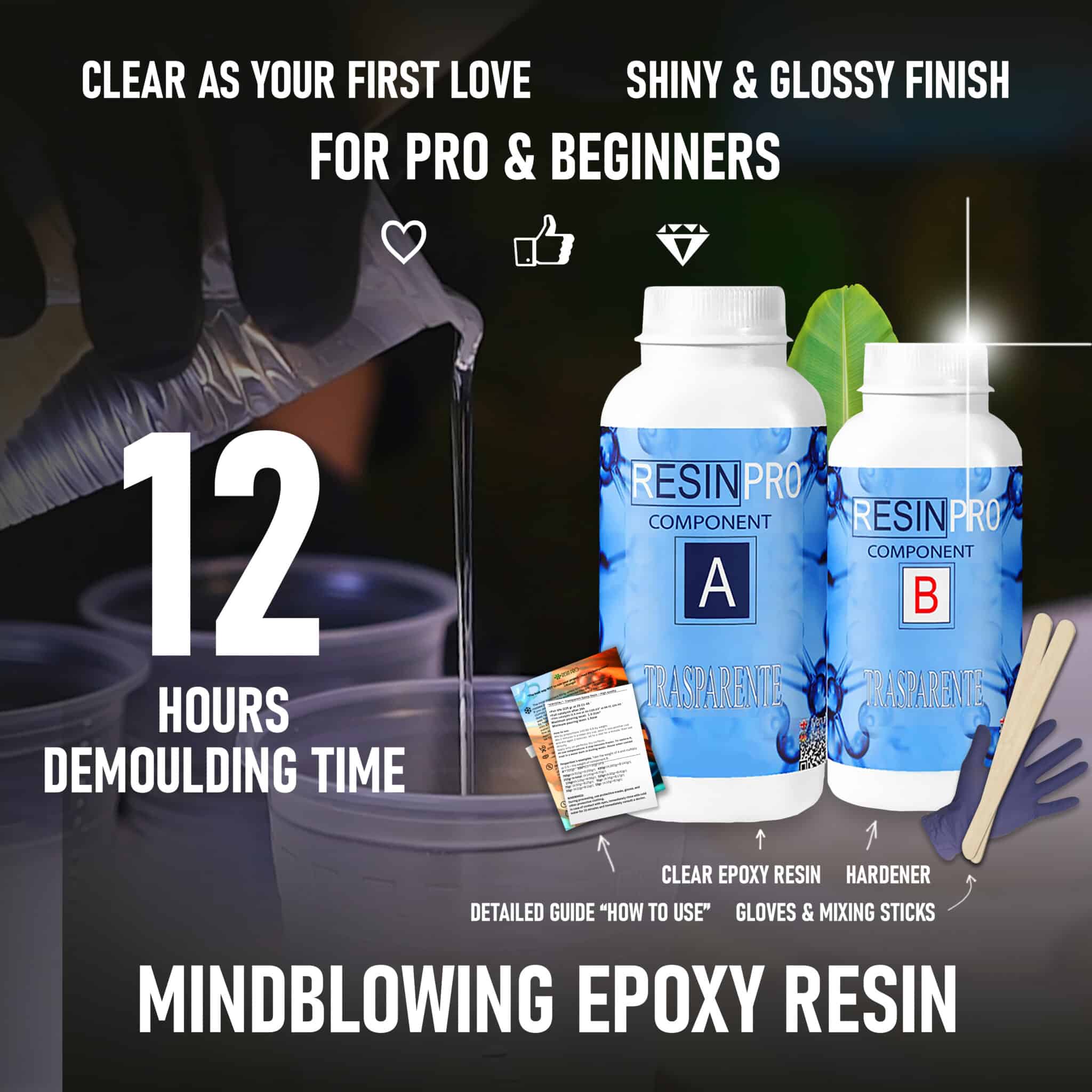
“Trasparente” – Multipurpose Clear Epoxy Resin for Casting – Up to 2cm
The “Trasparente” – Multipurpose Clear Epoxy Resin for Casting – Up to 2cm is engineered for casting up to 2cm per layer, making it ideal for decorative and structural projects alike. Its ultra-clear formula produces a brilliant, glossy finish, with a high scratch resistance that contributes to chemical resistance against mineral spirits in typical use cases. An integrated UV filter ensures clarity over time, while its cruelty free, vegan friendly, and certified non-toxic composition supports a safe workspace. However, for prolonged or heavy solvent exposure, ensure surfaces are sealed and avoid deep pours beyond recommended thickness for best resistance.
This resin is best for detailed casting projects, tabletop coatings, and art or restoration work where occasional cleaning with mild solvents is expected. For more solvent-intensive applications, a composite-specific resin may offer further assurance.
“Icrystal” – Clear Epoxy Resin – Odourless Formula – Up to 1.5cm
Designed for artistic coatings, woodworking surfaces, and smaller castings, “Icrystal” – Clear Epoxy Resin – Odourless Formula – Up to 1.5cm brings a crystal clear finish and high scratch resistance and heat resistance up to 70°C. This odourless, VOC-free resin is easy to handle thanks to its 2:1 mixing ratio, supporting both beginners and professionals. The product is best used for applications where moderate chemical resistance is sufficient—such as furniture coatings and creative projects—but is not specifically formulated for extended exposure to strong solvents like mineral spirits. Periodic gentle cleaning is suitable, but persistent solvent use is not recommended.
“Epoxytable 10-Ten” – Deep Pour Epoxy Resin for Tables, Up to 10cm Casting
When your project demands significant depth, the “Epoxytable 10-Ten” – Deep Pour Epoxy Resin for Tables, Up to 10cm Casting is unmatched for river tables, thick castings, and large art installations. While this resin is designed for clarity and stability in deep pours, it maintains a strong UV filter and a low exothermic reaction for bubble-free, crack-resistant results. Its suitability for solvent resistance lies in forming thick, seamless, well-cured layers seldom breached by mild to moderate solvent contact. Like all deep pour resins, avoid prolonged or repeated exposure to aggressive solvents, and ensure full cure before cleaning with any chemical agents.
“Carbon Resin” – Epoxy Resin for Carbon Fiber & Fiberglass Coating
“Carbon Resin” – Epoxy Resin for Carbon Fiber & Fiberglass Coating stands out for composite and technical fabric applications. Its formulation delivers robust impact resistance maintains integrity under mechanical stress and exceptional fibre impregnation reduces bubbles for a flawless finish. While moisture and mild solvent resistance are inherent, specific resistance data to mineral spirits is not detailed. This product is therefore best employed for carbon fibre, fibreglass, and technical uses where structural integrity is paramount, and only incidental solvent contact is anticipated.
How to Choose: Surfaces, Project Types, and Solvent Exposure
For woodworking, river tables, art, and light restoration, an ultra-clear epoxy such as “Trasparente” offers reliable performance and chemical resistance for most indoor solvents—including short-term exposure to mineral spirits during cleaning or finishing. For surface coatings and artistic uses, “Icrystal” brings user-friendly benefits and clarity. If you require thick, durable casts and larger-scale projects, “Epoxytable 10-Ten” ensures deep, stable pours but, like all epoxies, is best kept away from repeated strong solvent action. For extreme resilience in composite work, “Carbon Resin” is tailored for specialist users, but always check manufacturer recommendations for prolonged chemical exposure. In all cases, letting resins cure fully before cleaning or exposure—and limiting solvent use—are crucial for long-term durability.
Best Practices for Maintaining Solvent-Resistant Epoxy Surfaces
Ensure your epoxy resin is fully cured before introducing any solvents, including mineral spirits. Gentle, occasional cleaning is safe for cured surfaces, but avoid prolonged soaking or repeated heavy exposure to preserve the finish and performance. If in doubt, test on a small concealed area first, and follow all product instructions for optimal results.

- "Trasparente" – Multipurpose Clear Epoxy Resin for Casting – Up to 2cmPrice range: £8.95 through £397.95This transparent epoxy resin is designed for detailed casting and table projects with a clear, glossy finish up to 2cm thick.
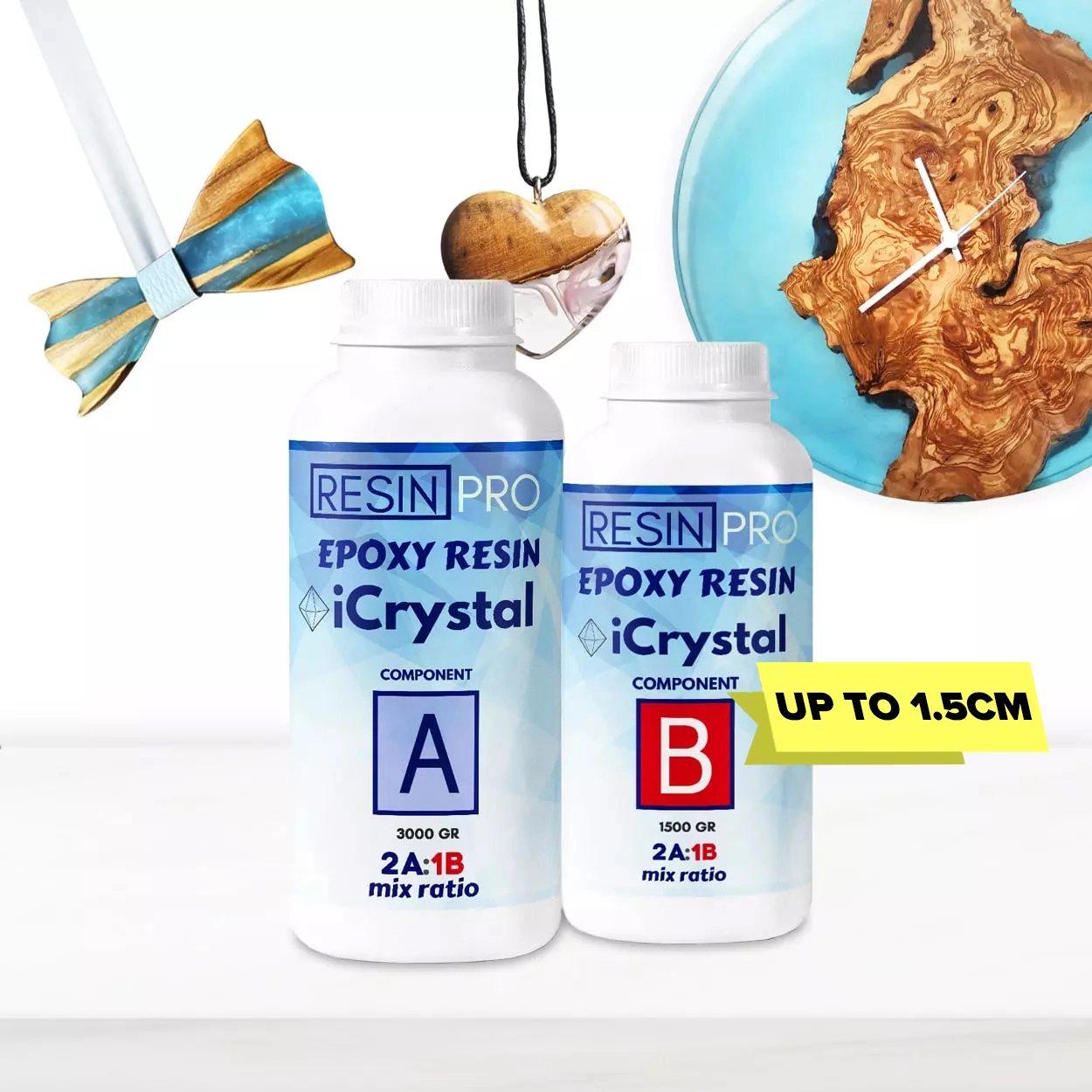 "Icrystal" – Clear Epoxy Resin – Odourless Formula – Up to 1.5cmPrice range: £12.45 through £341.45"Icrystal" – Clear Epoxy Resin offers a transparent, odourless formula suitable for wood-working and artistic coatings.
 “Epoxytable 10-Ten” – Deep Pour Epoxy Resin for Tables, Up to 10cm CastingPrice range: £35.95 through £351.95“Epoxytable 10-Ten” is an epoxy resin designed for creating tables with deep casting up to 10cm, suitable for clear, large projects in the given…
 "Carbon Resin" – Epoxy Resin for Carbon Fiber & Fiberglass CoatingPrice range: £19.95 through £37.95Epoxy resin designed for carbon fibre and fibreglass provides durable, bubble-free impregnation with a glossy finish.
Frequently Asked Questions
Does epoxy resin resist mineral spirits?
Cured epoxy resin offers good resistance to mineral spirits for light cleaning, but prolonged or repeated exposure should be avoided.
Which resin is best for tabletops exposed to mineral spirits?
"Trasparente" offers high scratch resistance and moderate chemical resistance, making it suitable for tabletops occasionally cleaned with mineral spirits.
How long should I wait before exposing epoxy resin to mineral spirits?
Allow your epoxy resin to fully cure, typically 7 days, before cleaning with mineral spirits or exposing it to any solvent.
Can deep pour epoxy like Epoxytable 10-Ten be cleaned with mineral spirits?
Occasional gentle cleaning with mineral spirits is safe after full curing, but avoid repeated or harsh solvent use on deep pour epoxy.
Is Carbon Resin suitable for regular exposure to mineral spirits?
It's optimised for impact and moisture resistance rather than continuous solvent contact. Occasional solvent exposure is acceptable once cured.
How do I safely clean an epoxy resin surface after using mineral spirits?
Wipe the epoxy surface with a damp cloth to remove mineral spirits residue, ensuring the resin has fully cured before any solvent contact.