 Free shipping on orders over £29,85
  Shipping Tracking!


 Google
 Facebook
← Back to Which resins should be used for?
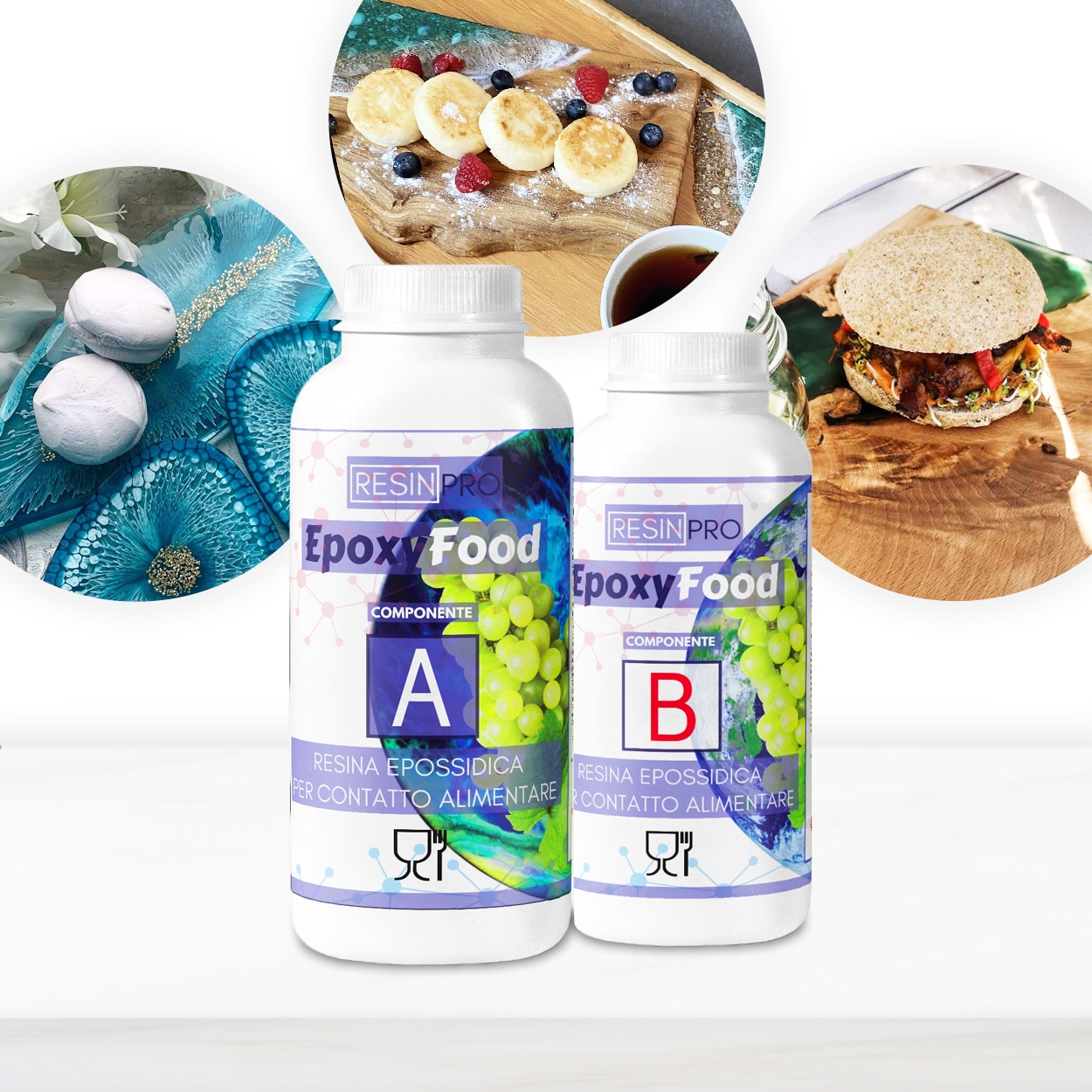

If you plan to create or renovate items that will come into contact with food, it’s essential to choose a resin that’s specifically certified as food-safe. Not all epoxy resins are suitable for this purpose—so understanding the difference is key to ensuring both quality and safety.
What Makes a Resin Food-Safe?
A food-safe resin is one that has undergone independent testing and complies with relevant European standards for direct food contact, such as EU Regulation No. 10/2011. This means, when correctly mixed and fully cured as instructed—and used without unapproved additives or dyes—the resin creates a non-toxic, stable surface that is safe for use with cold foods and snacks.

How to Choose the Right Food-Safe Epoxy
Always look for explicit certification and clear labelling before buying any resin for kitchenware projects. For example, EpoxyFood is independently tested and designed for coating dishes, boards, and serving items that will touch cold food. Avoid using standard epoxy resins for food-contact surfaces unless specifically labelled as safe; when in doubt, check technical documentation or manufacturer advice.
When Food Safety Matters Most
- Crafting or sealing plates, bowls, or cutting boards
- Repairs on serving ware, such as with kintsugi or artisanal restoration
- Artistic or decorative work intended for direct contact with snacks or fruit
Remember, even food-safe resins are generally not intended for constant contact with hot foods or alcohol unless this is explicitly stated by the manufacturer.
Related products
Related guides
Choosing the correct certified food-safe resin helps protect your health and ensures your creations meet relevant standards. For additional guidance on resin selection for any application, see our main page on which resins should be used for?.