 Free shipping on orders over £29,85
  Shipping Tracking!


 Google
 Facebook
← Back to Which pigments are best for epoxy resin?

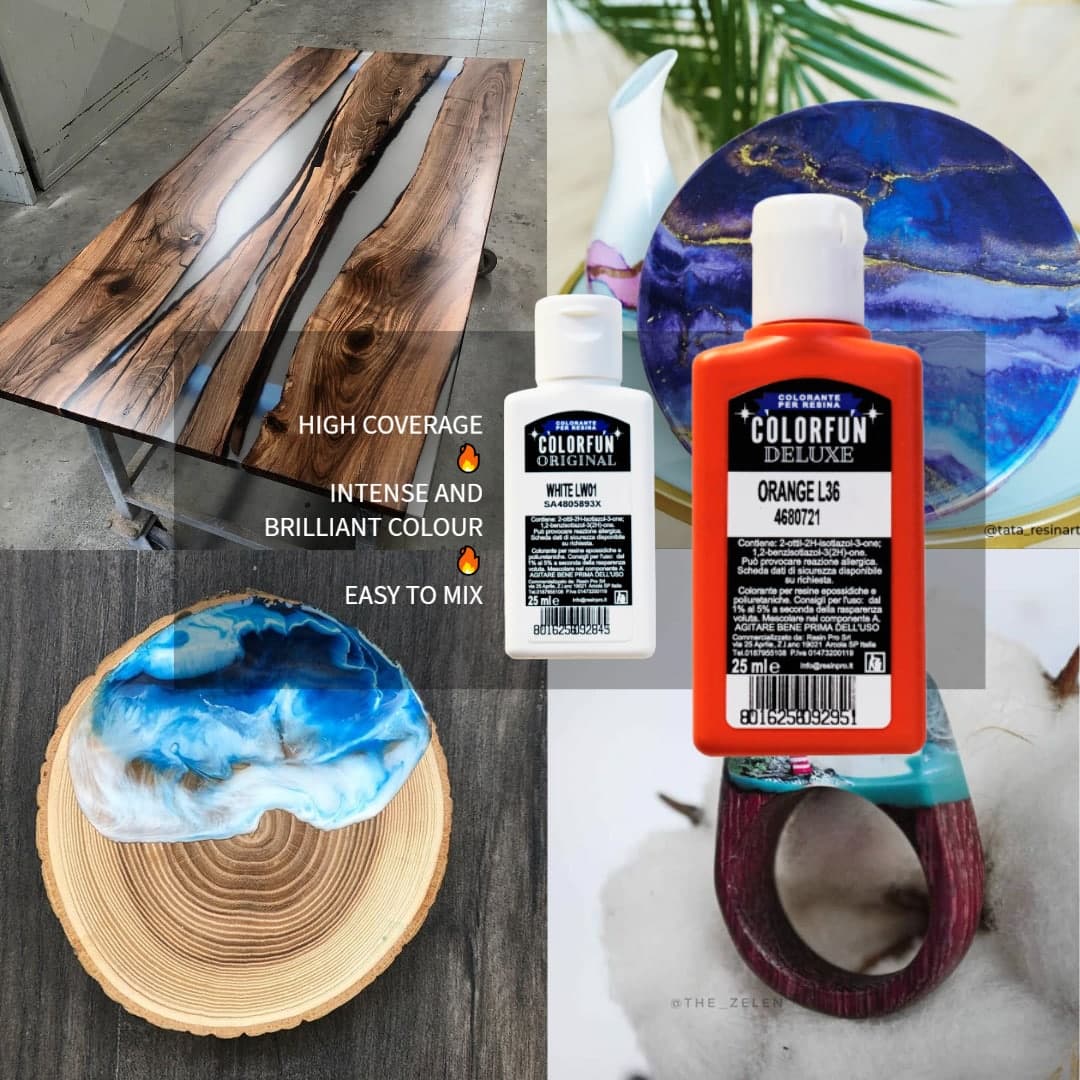
Choosing between liquid and powder pigments for resin can dramatically affect your finished project. Each type offers unique benefits, so understanding the differences will help you get the best results for your creative work.
When to Use Liquid Pigments
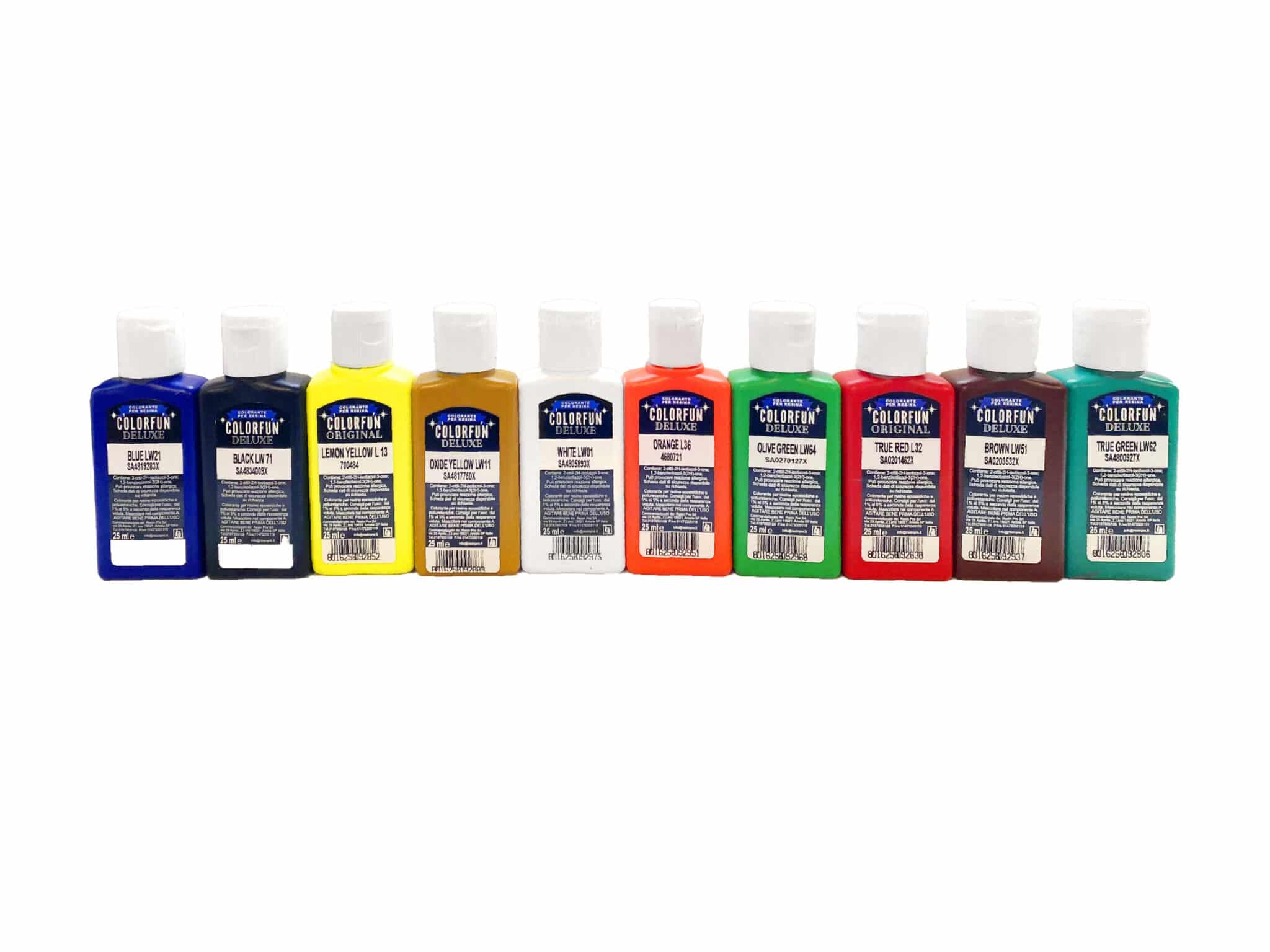
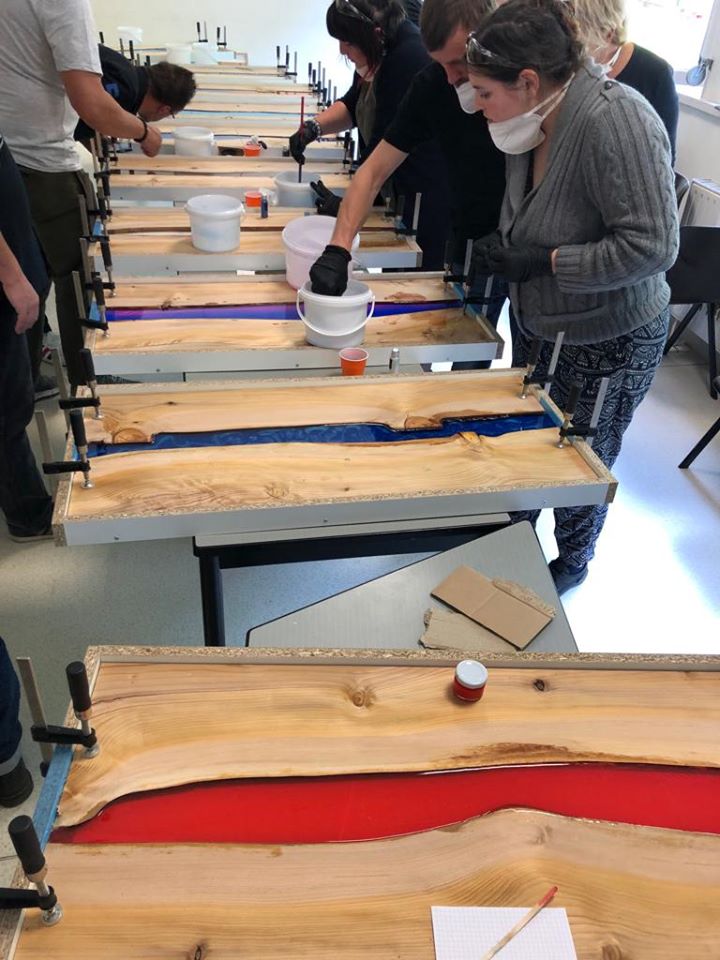
Liquid pigments excel when you want uniform, vibrant colour throughout your resin. They mix smoothly, providing strong, even hues without streaks, making them an excellent choice for solid colour castings, river tables, and projects where predictable results matter. A concentrated liquid set, such as the Colourfun Set, can deliver brilliant shades, and only a few drops are needed to achieve impressive coverage.
When Powder Pigments Are Best
Powder pigments, typically mica-based, are perfect for adding effects that liquid colourants cannot provide—think pearlescence, metallic sheen, or layered, two-tone flows. Powders are ideal for creating unique shimmering or dimensional looks and can be blended to customise finishes. For example, the Sahara Set offers a palette of metallic shades, designed especially for artists seeking dynamic movement and depth in transparent resin.
Practical Tips for Selection and Use
- Project Purpose: Choose liquid pigments if you want rich, solid or translucent colour; choose powder when layering, blending, or adding sparkle and metallic finishes.
- Mixing: Liquid pigments blend faster and distribute evenly, while powders may require extra stirring to avoid clumps.
- Combinations: For creative effects, many artists use both types in a single piece—liquids for a colour base and powders for accent or highlight.
When This Choice Matters Most
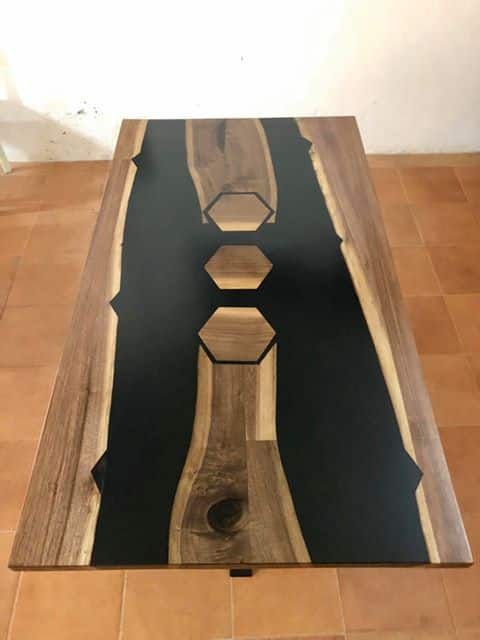
If your goal is a flawless, single-colour look, liquid is usually the easier and more reliable option. For eye-catching art, such as ocean waves, metallic swirls, or layered appearances, powder pigments give you the versatility and visual drama you need.
Related products
Related guides
The choice between liquid and powder pigments depends on the effects you wish to achieve in your resin projects. For more insight into selecting the right pigments, explore our comprehensive guide on which pigments are best for epoxy resin.