 Free shipping on orders over £29,85
  Shipping Tracking!


 Google
 Facebook
← Back to Which colour-changing resins are available?
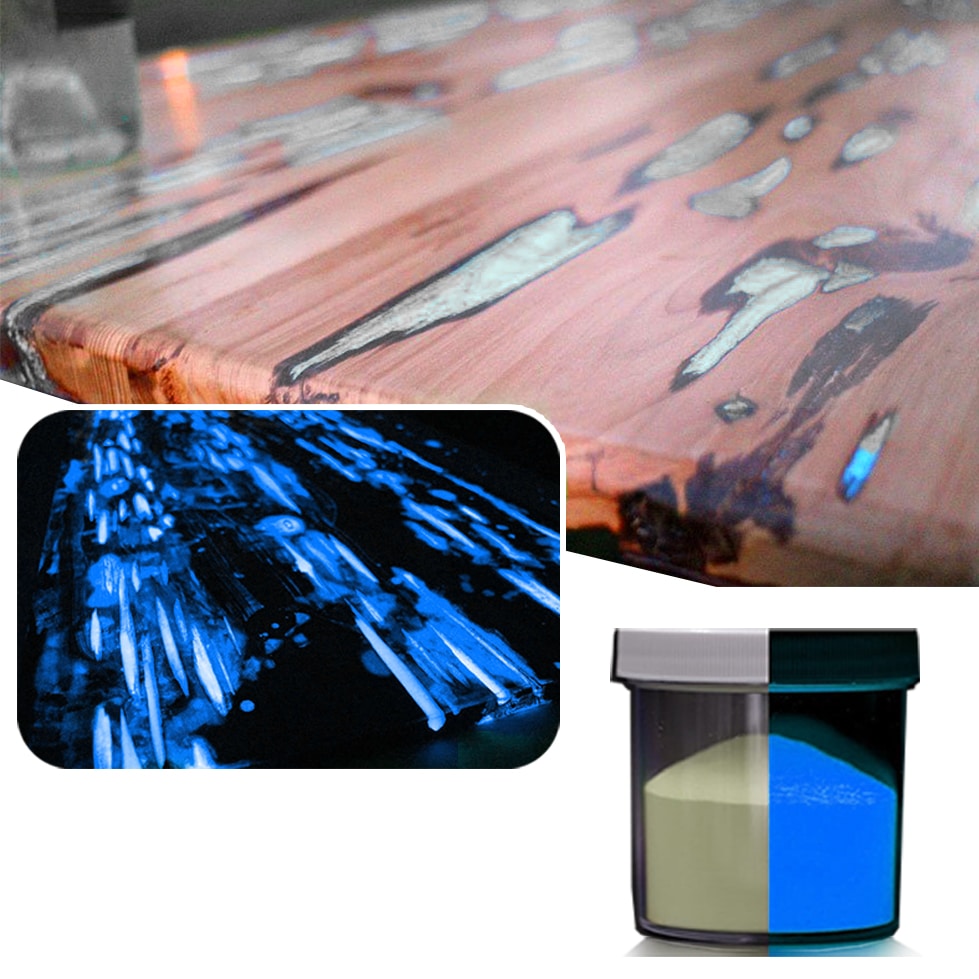
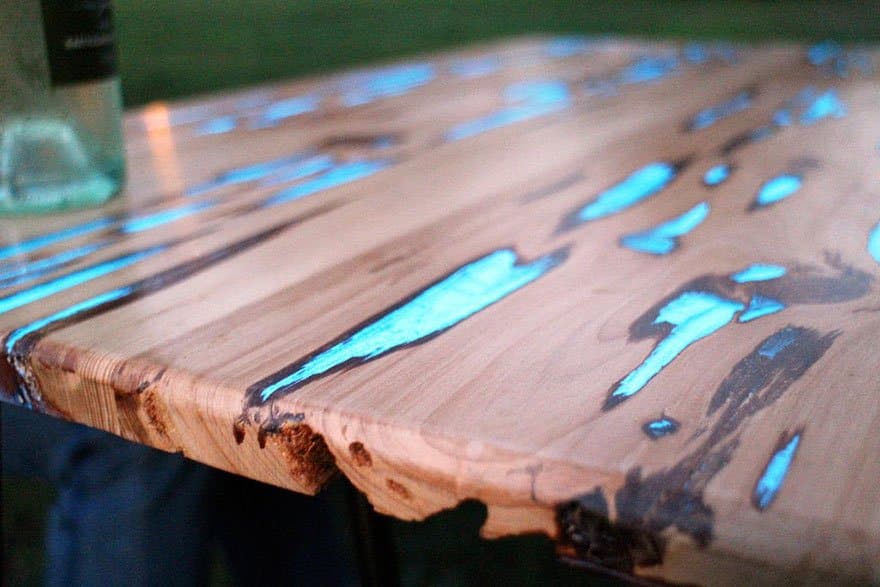
If you’re looking to bring shimmering or chromatic effects to your resin work, pearlescent pigments are a popular choice for artists and makers alike. But are they suitable for all types of resin?
Where Pearlescent Pigments Work Best
Pearlescent pigments are most effective when blended with transparent resins. In clear castings, their unique light-reflecting particles remain visible, producing the characteristic shimmer and colour-shift that sets them apart from ordinary pigments. This makes them ideal for decorative resin art, jewellery, glazing, and craft projects where you want colour variation and depth.
Limitations With Opaque Resins
While technically it is possible to add pearlescent powders to any resin, their full effect often isn’t realised in opaque systems. In such cases, the pigment’s reflective qualities are masked, so the resins may take on a flat colour rather than the intended pearly finish. For the best result, always choose a transparent or lightly tinted resin base, like those formulated for art and glazing.
Tips for Achieving the Best Pearlescent Effects
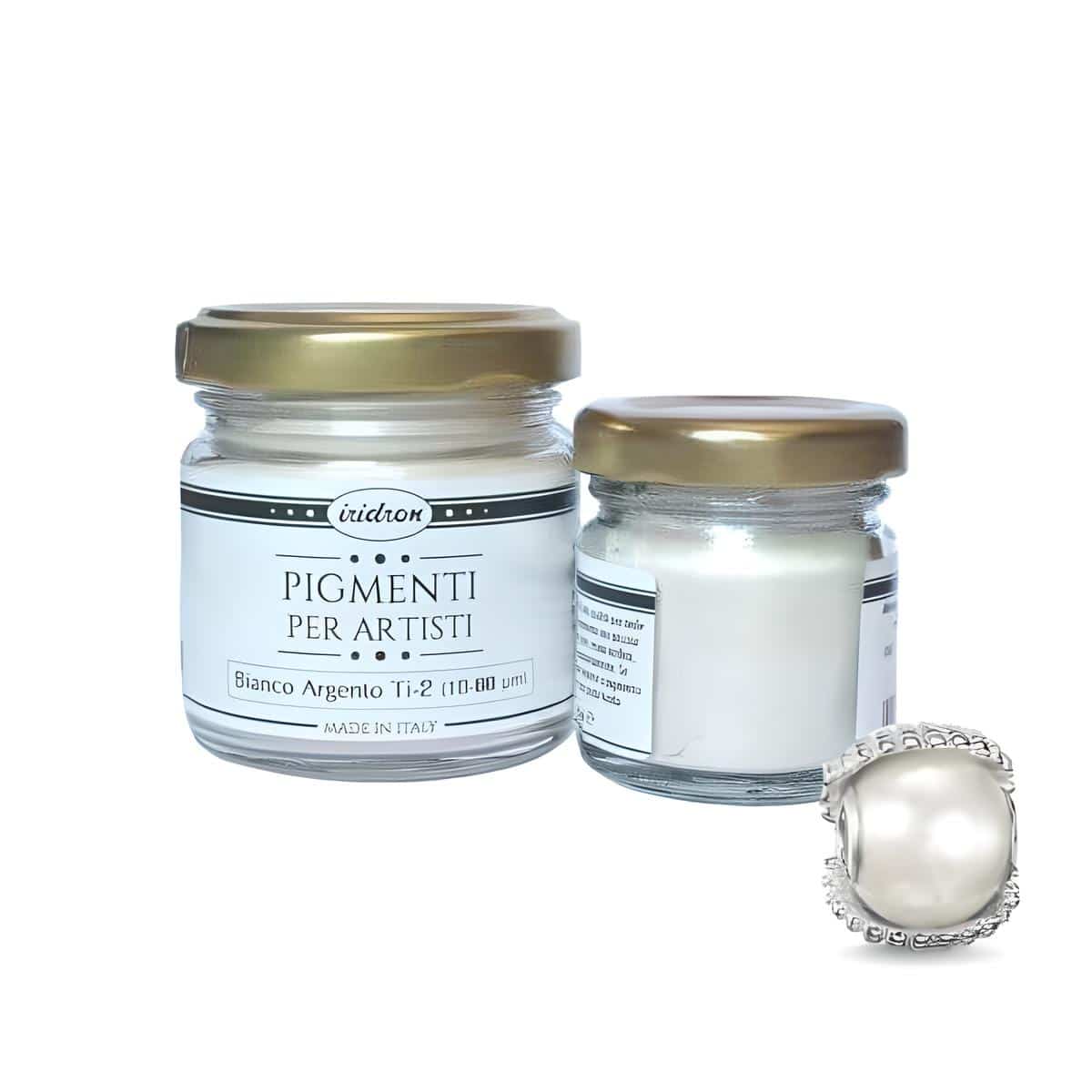
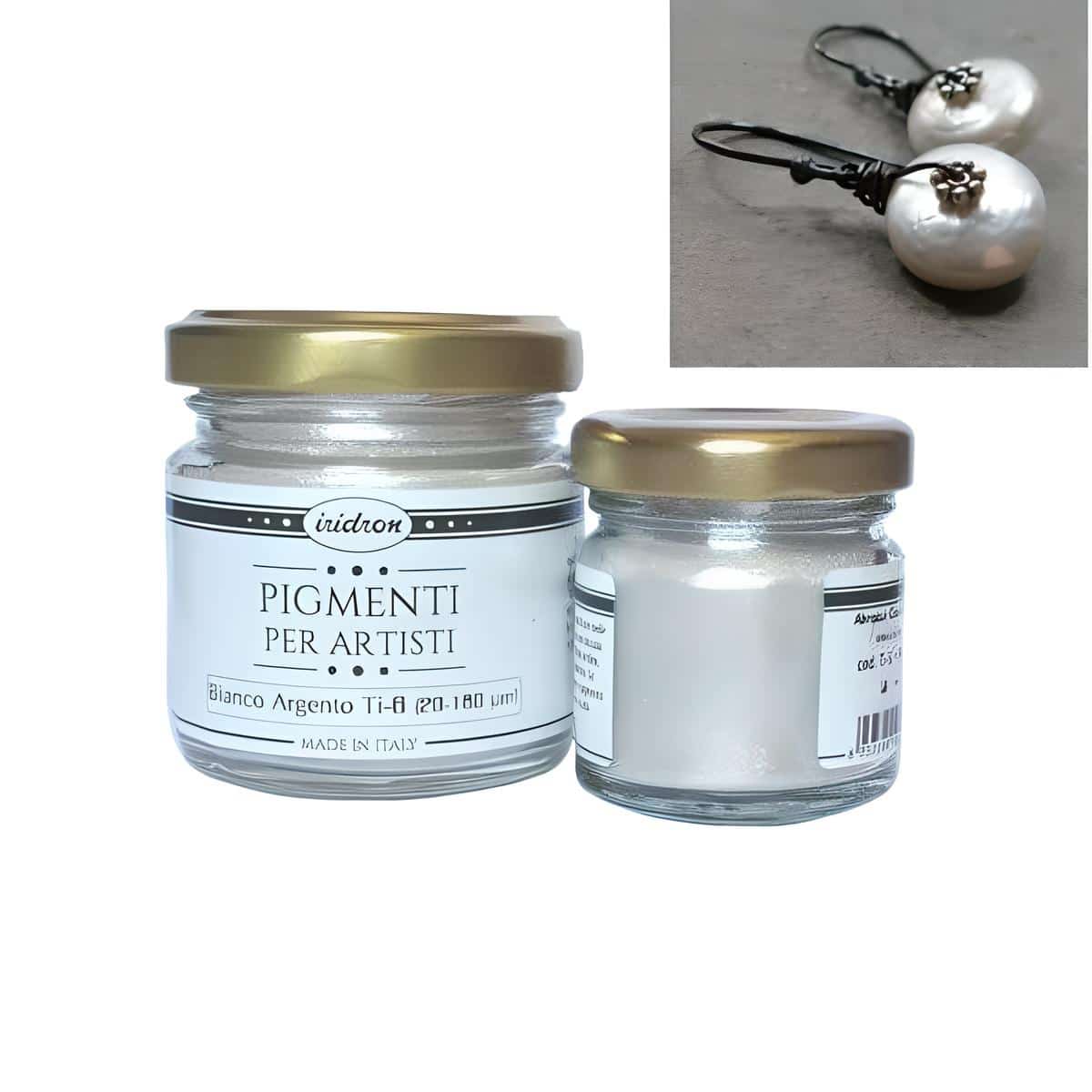
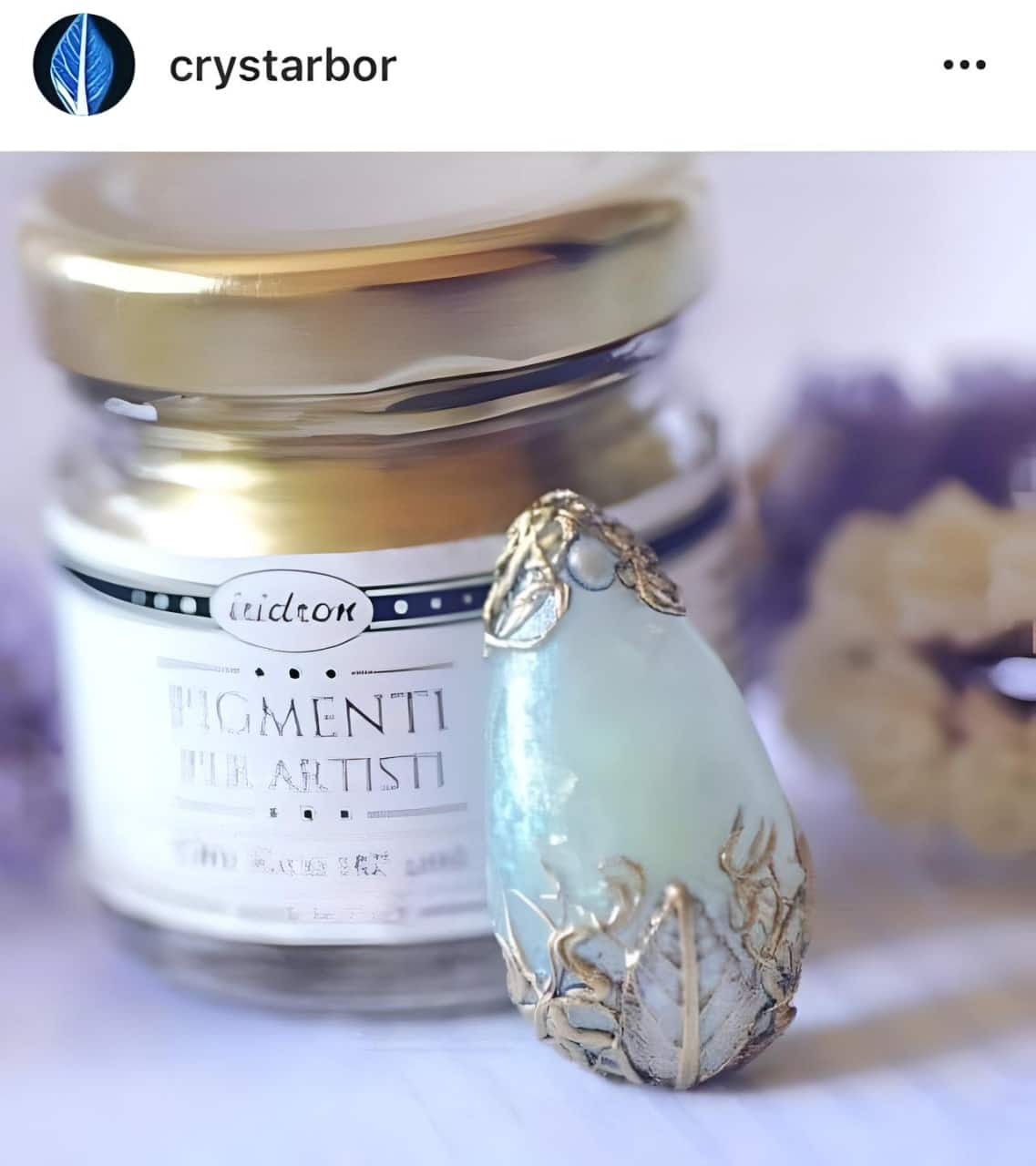
- Stir mica-based pigments—such as the “Iridron” Pearline Pigments—thoroughly into your transparent resin for even distribution.
- Experiment with layering or blending different shades to create unique chromatic effects.
- Always test a small amount first to understand how your chosen resin and pigment interact, especially with new products or colour combinations.
Related products
Related guides
Pearlescent pigments truly shine in transparent resins, unlocking a world of creative potential for your colour-changing resin projects. To discover more about innovative resin effects, return to our main guide on Which Colour-Changing Resins Are Available?.