 Free shipping on orders over £29,85
  Shipping Tracking!


 Google
 Facebook
← Back to What Are the Best Pigments for Resin?
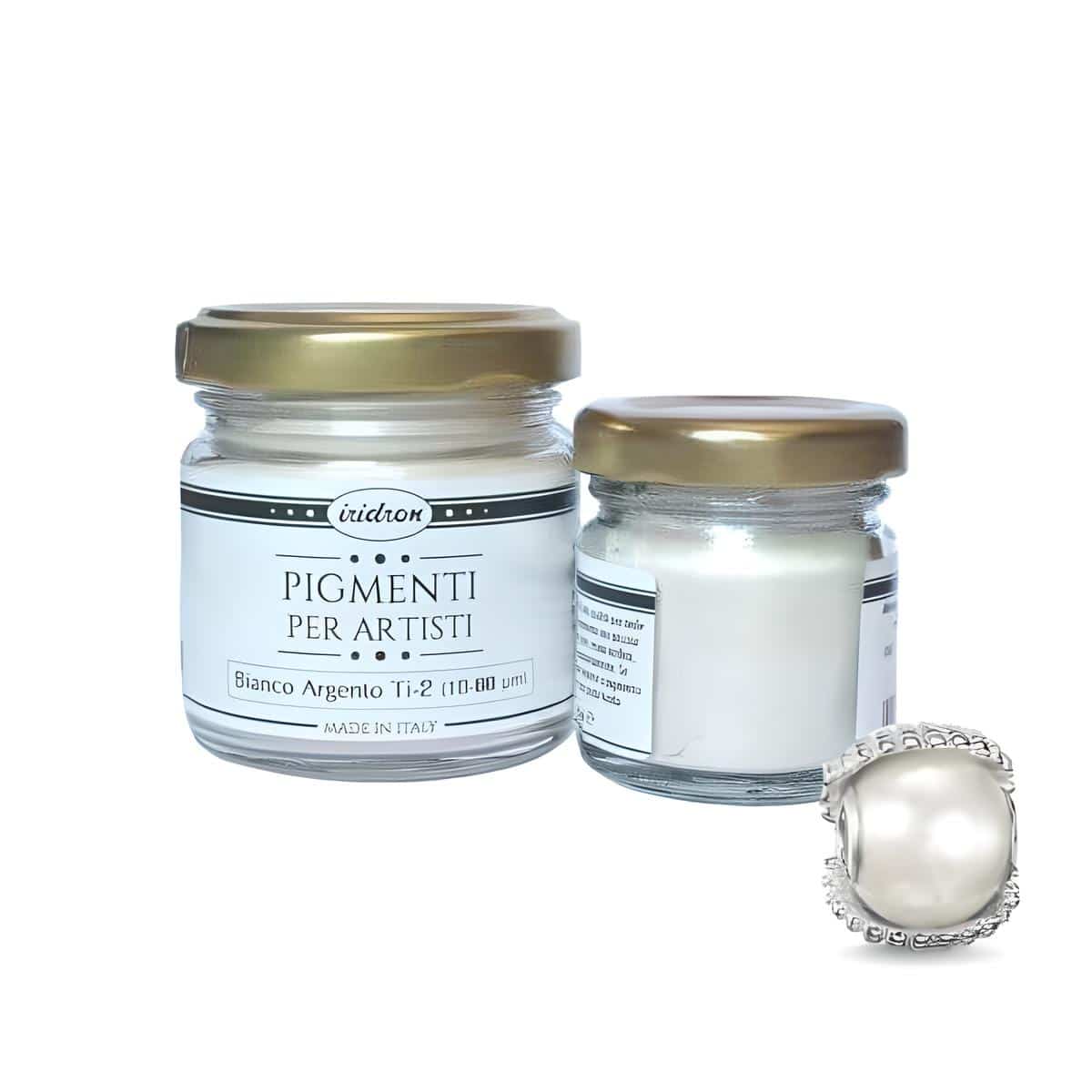

Mica-based pearlescent pigments offer a unique way to introduce subtle shimmer, depth, and an iridescent quality to your transparent resin projects. These finely milled powders can elevate your finish from basic colour to an enticing, light-catching effect, perfect for detail work and artistic glazing.
What Is a Mica-Based Pearlescent Pigment?
Mica-based pearlescent pigments, such as the Iridron Pearline Pigments, are pigments composed of mica particles coated to create a pearly, shimmering look. When suspended in transparent resin, these pigments reflect light and add a glimmering, layered effect that remains visible after curing. Their excellent fastness to light and stability at higher temperatures make them suitable for decorative applications where lasting appearance matters.
How to Apply Mica Pearlescent Pigments in Resin
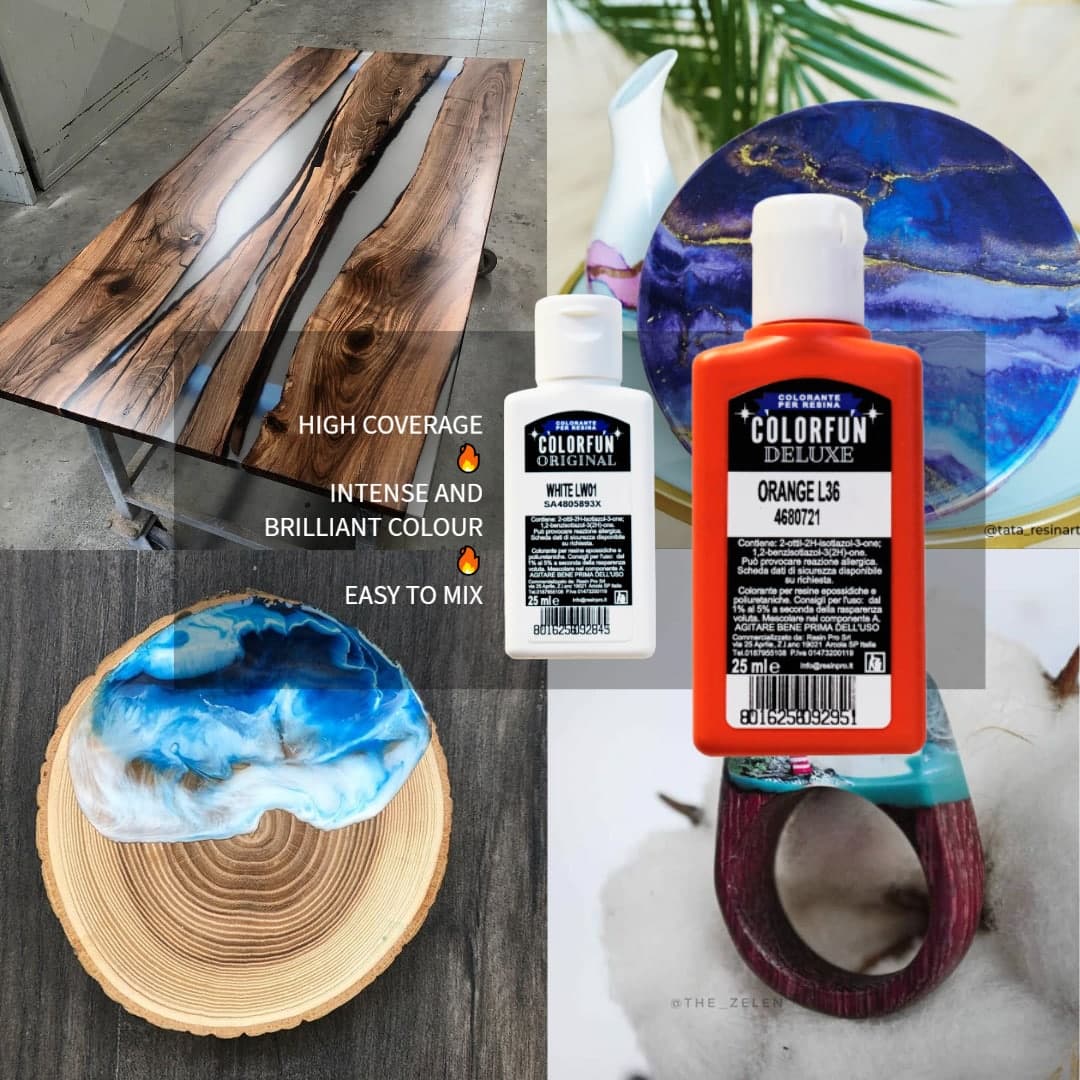
For best results, these pigments should be blended into clear or lightly tinted transparent resins. This approach preserves the pearlescent quality and maximises light reflection. Start with a small amount and mix thoroughly to ensure even distribution, then pour or glaze as desired. Pearline pigments are particularly popular for glazing effects, where a sheer, shimmering layer is added over cured resin works or embedded objects. Avoid overloading the resin, as this can reduce transparency and obscure the pearlescence.
- Stir powder well into mixed resin before pouring.
- Apply in thin layers for glazing techniques.
- Experiment with different base colours for varied effects.
When Mica Pearlescent Pigment Matters
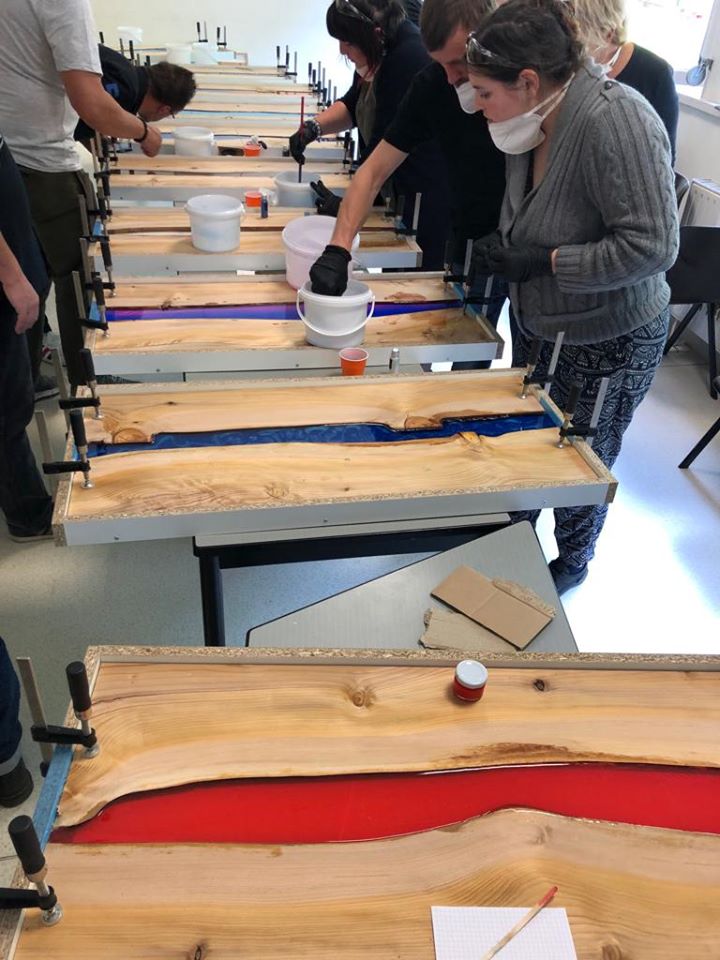
These pigments are ideal when you want luminous, eye-catching highlights or want to mimic the depth found in natural minerals and gemstones. They’re especially favoured in jewellery, river tables, and any project where a touch of luxury or dimension is desired.
Related products
Related guides
Mica-based pearlescent pigments are an essential choice when working with transparent resin and seeking decorative, light-catching finishes. They expand the creative potential highlighted in our guide on what are the best pigments for resin, offering both versatility and striking results.