 Free shipping on orders over £29,85
  Shipping Tracking!


 Google
 Facebook
← Back to Which moulds should you choose for UV resin?


Choosing the right silicone mould can make or break your UV resin projects. While many silicone moulds are advertised as compatible, quality and specific characteristics matter for optimal results.
What Makes a Silicone Mould Suitable?
The majority of high-quality silicone moulds work well with UV resin. Look for moulds that are non-stick and flexible, enabling easy demoulding. Check that your chosen mould can withstand moderate heat generated during UV resin curing—well-made silicone options typically tolerate temperatures up to around 210°C. Avoid moulds that seem flimsy or degrade after repeated use, as these may impact your finished piece and limit reusability.
Mould Care and Cleaning for Longevity
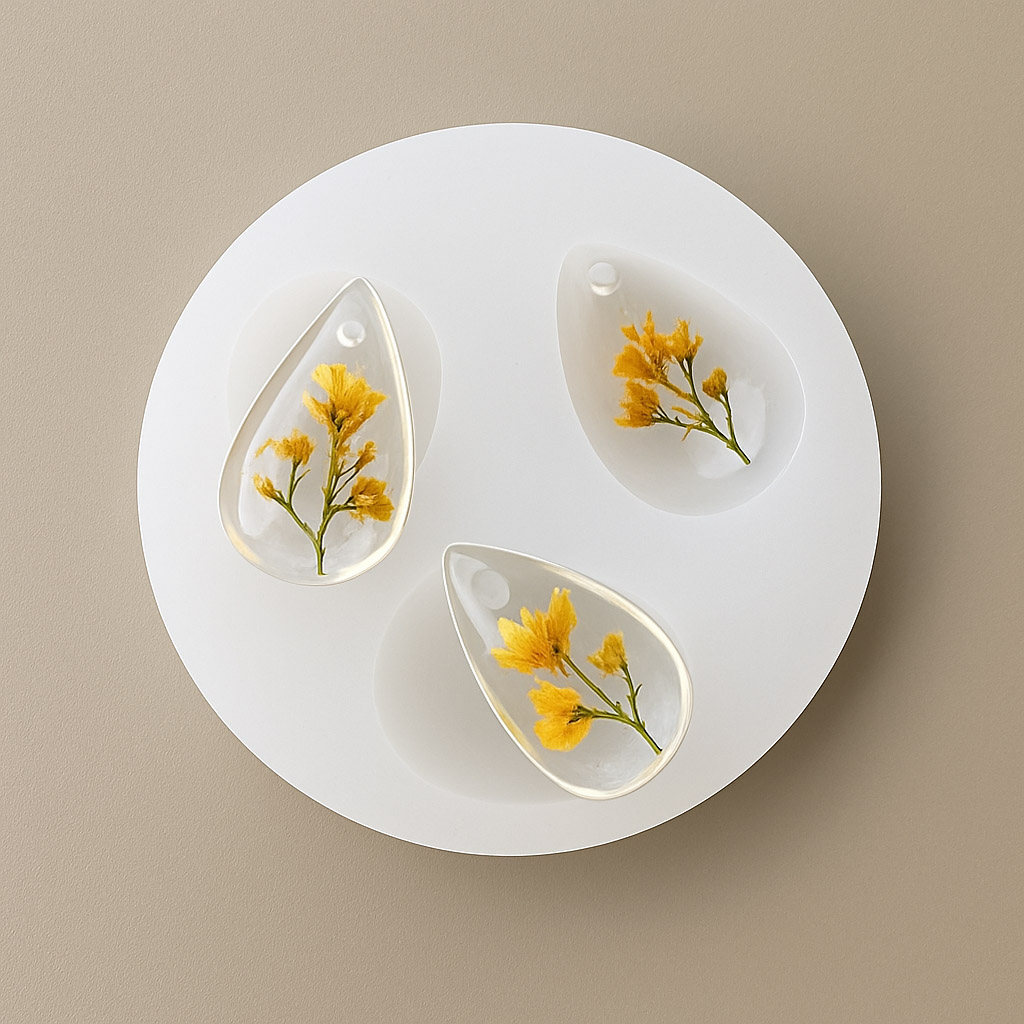
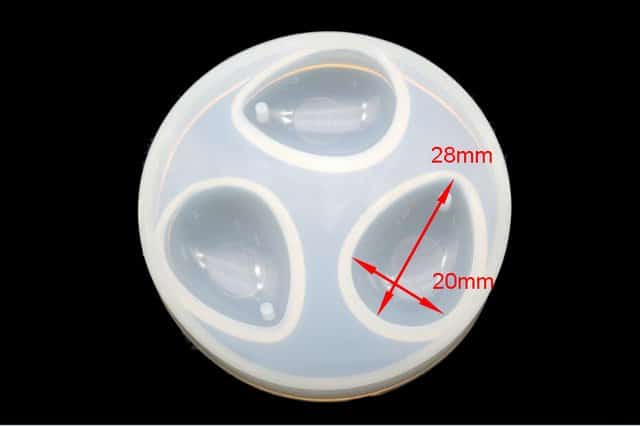
Over time, improper cleaning can degrade silicone, reducing compatibility with UV resin. After each use, gently wash with mild soap and water—never use harsh solvents. Proper maintenance not only preserves the mould’s surface but also ensures consistent results and easy removal of cured resin shapes. For example, the “Three Drops” Silicone Mould is designed to be robust and easy to clean, ideal for repeated UV resin casting.
When This Matters Most
- If you’re making intricate jewellery or decorations, choose a mould specifically labelled for resin to ensure sharp details and avoid unwanted sticking.
- When casting pieces you intend to demould often, selecting a heat-resistant and reliable silicone mould becomes especially important for repeated success.
Related products
Related guides
While most good-quality silicone moulds are compatible with UV resin, always check the product details for heat resistance and care recommendations. Making an informed choice ensures your UV resin crafts turn out as intended. For more guidance and options, visit our hub on which moulds to choose for UV resin.