 Free shipping on orders over £29,85
  Shipping Tracking!


 Google
 Facebook
← Back to When do resins turn yellow?
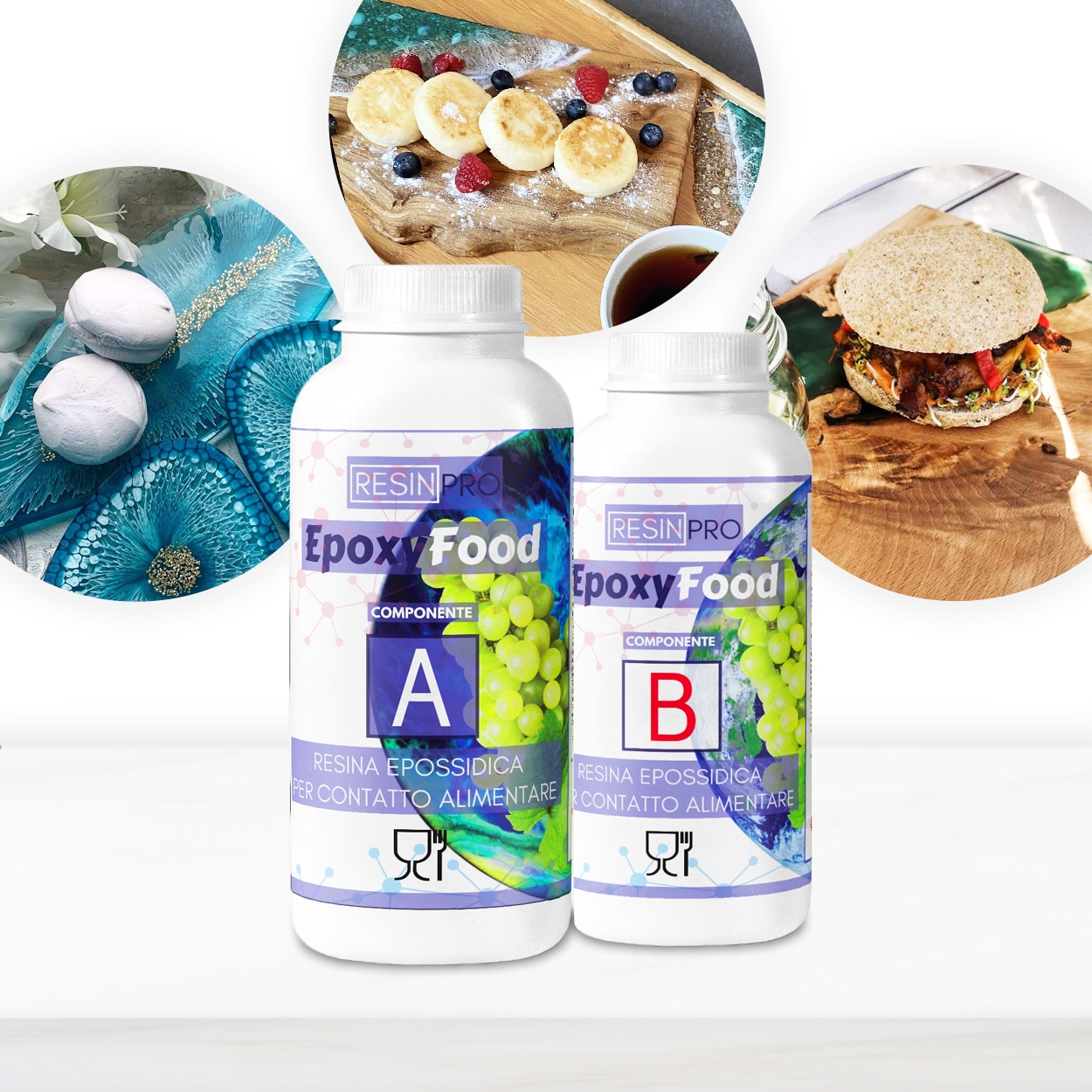
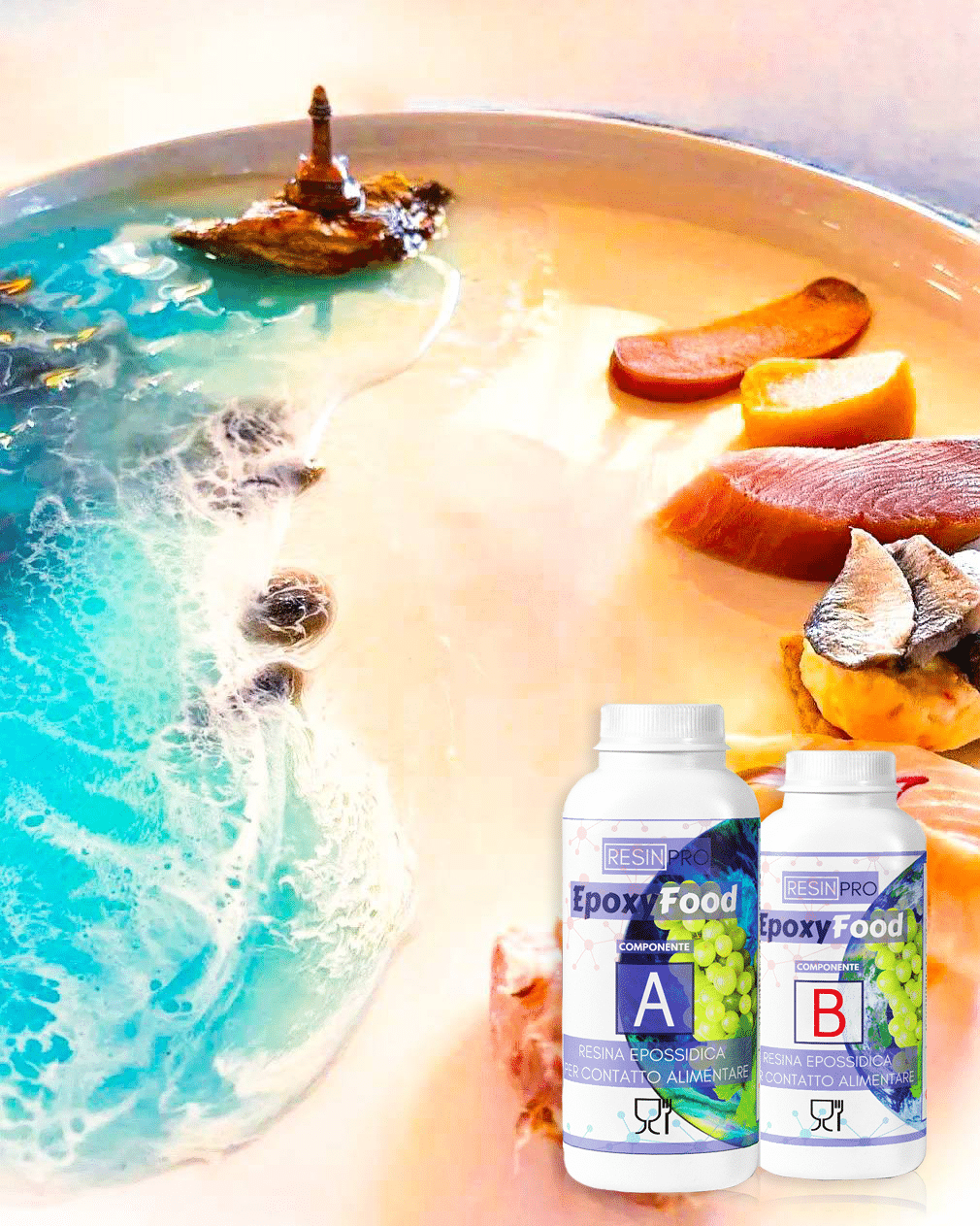
If you’re preparing surfaces or objects for food use, you may wonder whether food-contact resins are more or less prone to yellowing than ordinary epoxies. Here’s what to expect and how to keep your resin projects looking bright and clear.
How Food-Contact Resins Compare with Standard Resins
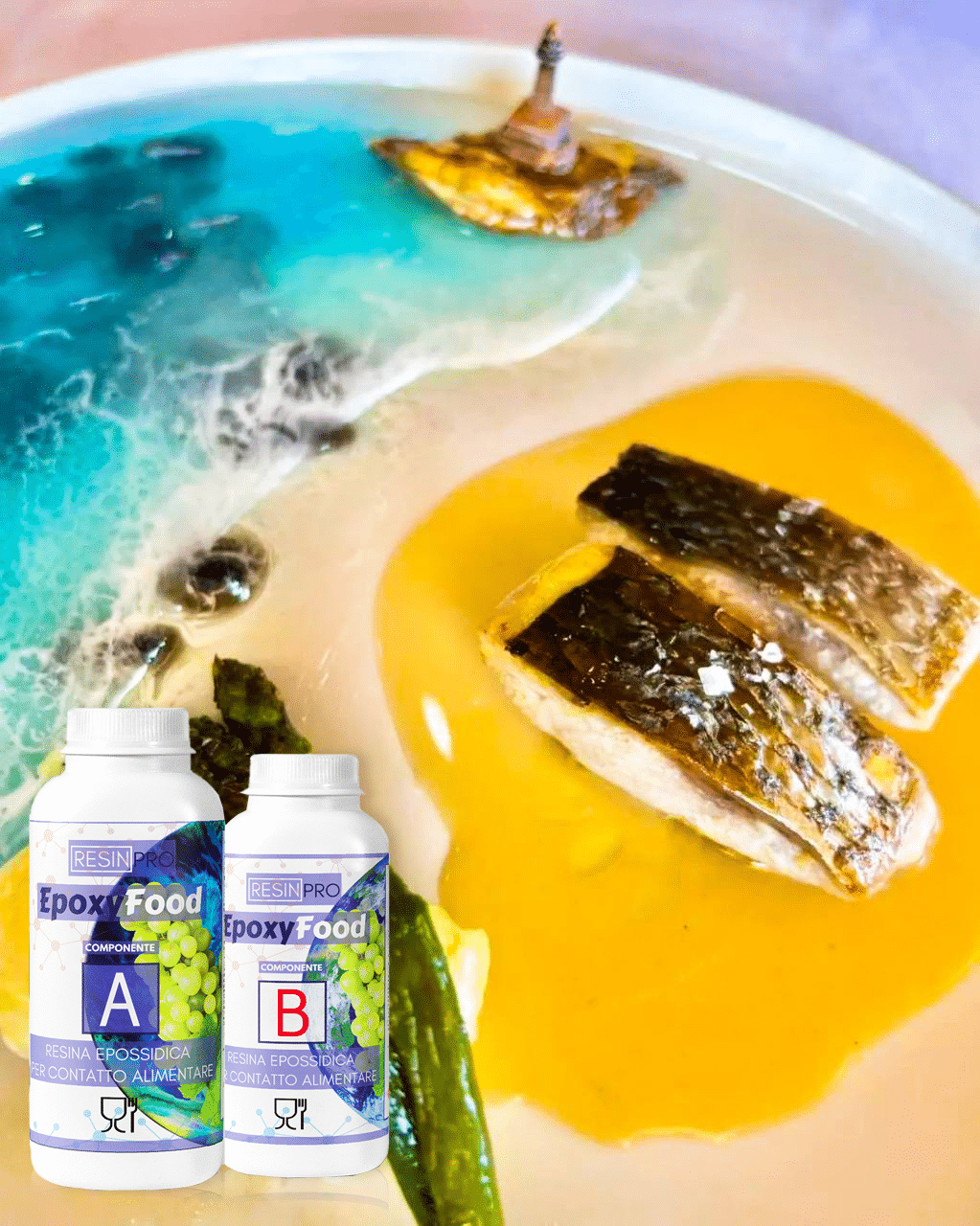
All epoxy resins—including those certified food safe—can turn yellow over time, especially when exposed to sunlight or high temperatures. However, specialist food-contact resins such as EpoxyFood are engineered for greater long-term clarity. These products often feature built-in UV protection, offering a robust defence against the yellowing process seen with standard or non-certified resins.

What Influences Yellowing in Food-Safe Epoxy?
- UV Exposure: Prolonged sunlight drives yellowing in any epoxy. Food-contact variants with UV protection will stay clearer for longer, but may still age if kept in direct sun.
- Heat Resistance: While food-safe formulas can generally withstand household temperatures (up to 70°C with some products), excessive heat may hasten yellowing. Avoid using food-contact resins directly with hot foods or in dishwashers.
- Chemical Resistance: Certified options often resist household acids and alkalis as well, further maintaining their clear appearance.
Care and Usage Tips for Lasting Clarity
- Keep resin-coated items away from harsh sunlight where possible.
- Use only certified food-safe epoxies and follow all mixing and curing instructions for best results.
- Avoid exposing finished surfaces to temperatures above their recommended limits or to aggressive cleaning agents.

When This Matters
If you’re planning to create or refresh surfaces like food platters, bowls, or chopping boards, choosing a food-contact resin like EpoxyFood—with UV protection and food safety certification—gives you both peace of mind and longer-lasting clarity.
Related products
Related guides
Understanding yellowing in food-contact resins helps you make the right choice for lasting food-safe finishes. To learn more about resin durability, explore our main guide on when resins turn yellow.