 Free shipping on orders over £29,85
  Shipping Tracking!


 Google
 Facebook
← Back to Is resin a suitable option when tiles are missing?
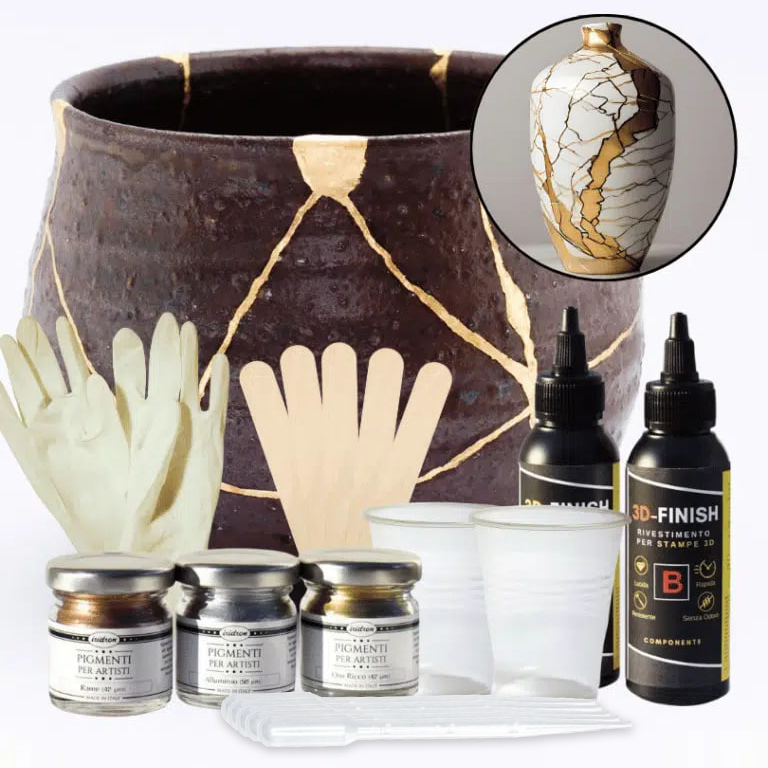
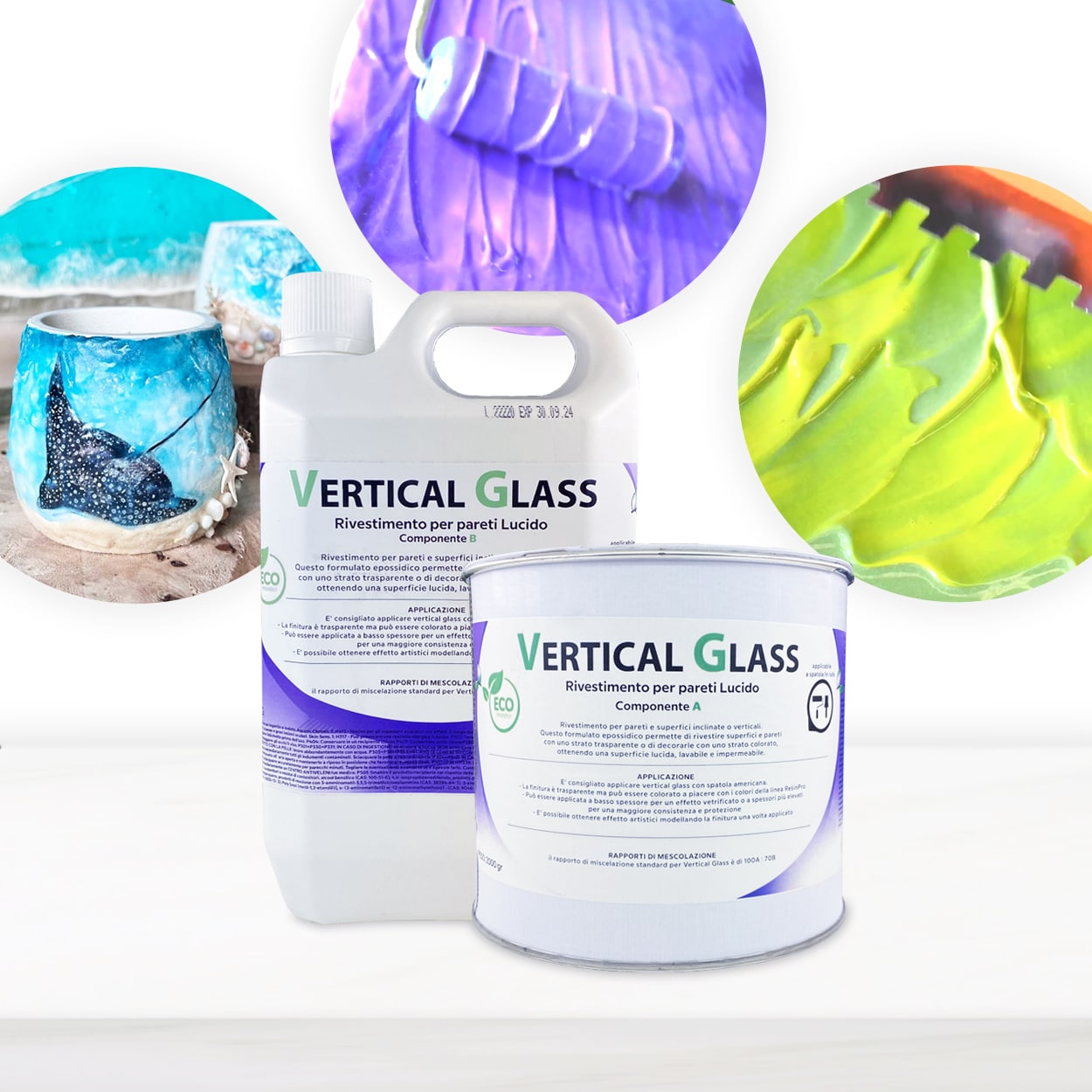
Chipped ceramics or pottery with cracks don’t have to be discarded. Modern resin kits can mend these defects, filling gaps and creating attractive, lasting repairs.
How Resin Repairs Ceramic Cracks and Gaps
High-viscosity resins are ideal for ceramic restoration because they flow just enough to enter cracks without dripping and can bond missing fragments securely. Products such as the Kintsugi Ceramic Repair Kit provide both the resin and decorative pigments, allowing you to fill fine cracks, deeper gaps, or even areas where a piece is missing, while highlighting the repair as a unique feature rather than simply trying to hide it.
Practical Guidance for Using Resin on Ceramics
For best results, clean the ceramic thoroughly and ensure all loose debris is removed first. Apply the included resin mixture carefully into the damaged area—its viscosity helps keep the resin in place even on vertical seams or curved surfaces. You can choose from gold, silver, or copper hues when using kits like Kintsugi, making the repair both functional and visually appealing. Follow all instructions closely for accurate mixing and curing, and always protect your workspace with gloves and cover sheets.
When This Matters Most
Repairing ceramics with resin is especially suitable for irreplaceable or sentimental items, hobbyist projects, or decorative homeware. While the repair adds strength and moisture resistance, it’s best suited to ornamental objects rather than those in direct contact with food or drink.

Related products
Related guides
Filling ceramic gaps with resin transforms damage into decorative detail. For more tips on surfaces and options when tiles are missing, see our main advice on whether resin is suitable when tiles are missing.